


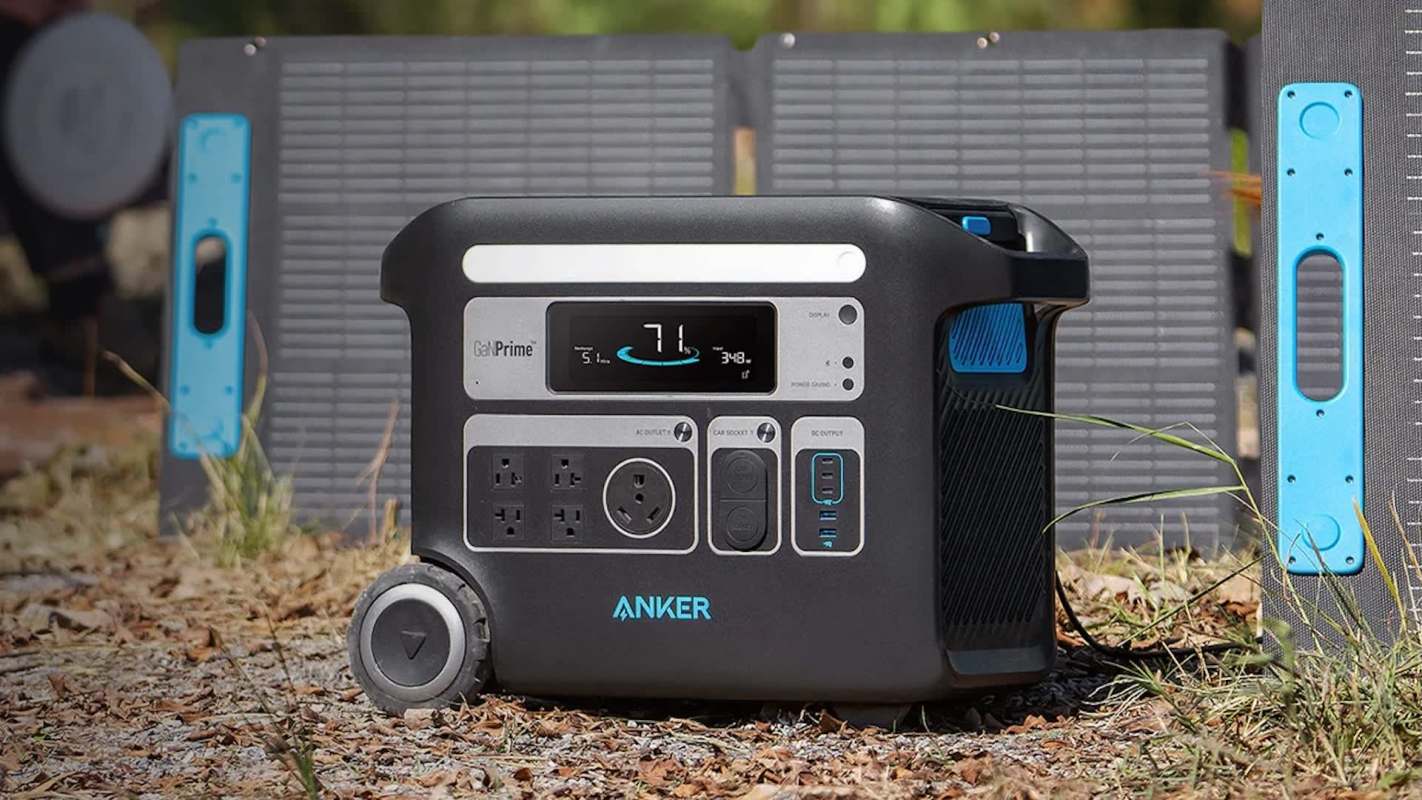
Power outages caused by ordinary weather do not have to lead to spoiled food, overheated rooms, and a derailed workday. In one midsize United States city where repeated blackouts had become a fact of life, a homeowner began putting together a small solar-and-battery backup system that already keeps lights on and the refrigerator running.
What's happening?
On Reddit, a homeowner said routine weather had repeatedly knocked out electricity in their area. In their words: "Strong winds, no power. A basic thunderstorm, no power. It's too hot or too cold, no power."
Instead of waiting for the next blackout, the homeowner started piecing together a backup setup from off-the-shelf equipment, including two Anker power stations and one Anker solar panel. So far, it is enough to handle the lights, and the larger unit can keep the refrigerator running.
Going solar is one of the best ways to save money on home energy while also making a house more resilient during outages. Homeowners who want to explore the option can use EnergySage to get quick solar installation estimates and compare quotes in one place.
Crushed by your bills? See instant solar savings from vetted installers in just a few clicks With energy prices through the roof, there's never been a better time to go solar — and EasyHome can help you find the best prices from the best installers in your area. EasyHome takes the guesswork and headaches out of energy upgrades by showing you estimated savings from a network of vetted local partners. To get started, just enter your ZIP and share a few details about your home — seeing your estimate is really that easy. |

The OP's system is still a work in progress. The homeowner said the next priorities are enough power for a window air conditioner, dependable internet, and possibly satellite service for working from home.
Why does it matter?
Even when blackouts last only a few hours, they can still disrupt nearly every part of daily life. Refrigerated food can spoil, internet access can vanish in the middle of the workday, and homes can quickly become uncomfortable — or even dangerous — during extreme heat or cold.
Solar panels paired with batteries can keep essential devices running without the fumes, noise, and ongoing fuel costs that come with many gas-powered generators.
The homeowner tied their worries to a broader issue, writing that "with the ancient US power grid and the rise of data centers sucking the power I'm concerned it will get worse." Grid reliability and rising electricity demand are increasingly common concerns for households.
A system like this can help protect health, preserve food and medicine, and reduce the financial strain caused by repeated outages.
What can I do?
For anyone considering a similar system, a useful first step is to identify critical loads: lights, refrigeration, phone charging, a Wi-Fi router, fans, or a small AC unit. That can make it easier to size a battery setup and determine whether a portable option is sufficient or whether rooftop solar and a larger battery bank would be a better fit.
Adding battery storage to a solar setup is one of the best ways to protect your home during outages, save money on energy, and go off-grid. It also helps homeowners use more of their solar power after sunset, when blackouts and peak electric rates can be especially stressful. Readers can explore EnergySage's free tools for information about home battery storage options, including competitive installation estimates.
To compare broader costs, EnergySage's solar map shows the average cost of a home solar panel system on a state-by-state level, along with solar panel incentives available in each state. Together, those resources can help readers get the best price for rooftop solar panels and access available incentives.
More From EnergySage
💡Go deep on the latest news and trends shaping the residential solar landscape
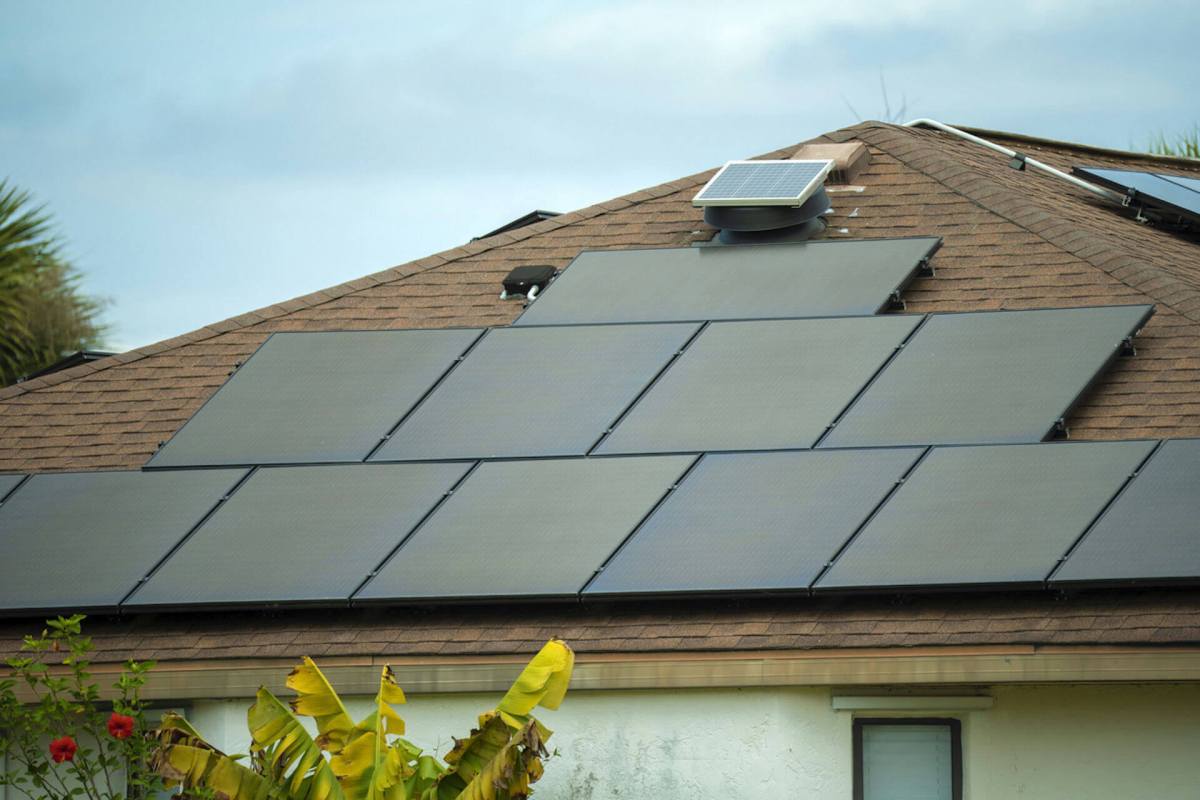

EnergySage's free services are especially useful for homeowners who want clearer pricing before making a major purchase. Savings can make backup power and lower monthly energy bills far more attainable.
Other Reddit users shared their own solar-and-battery setups and ideas for expanding capacity.
"For internet the starlink is decent if you can get it but it's pricey. I got a small UPS just for the modem and router so when power goes out it still works for few hours. Not as flashy but does the job," one wrote.
"As for power you're on the right track - but look up the runtimes on your battery packs. The Anker SOLIX C2000 is 2000 Watt-hour so that will run a 200-watt device for ~10 hours, a 500-watt device for 4 hours, 100 watts for 20 hours, you get the idea," another added.

Get TCD's free newsletters for easy tips, smart advice, and a chance to earn $5,000 toward home upgrades. To see more stories like this one, change your Google preferences here.






