


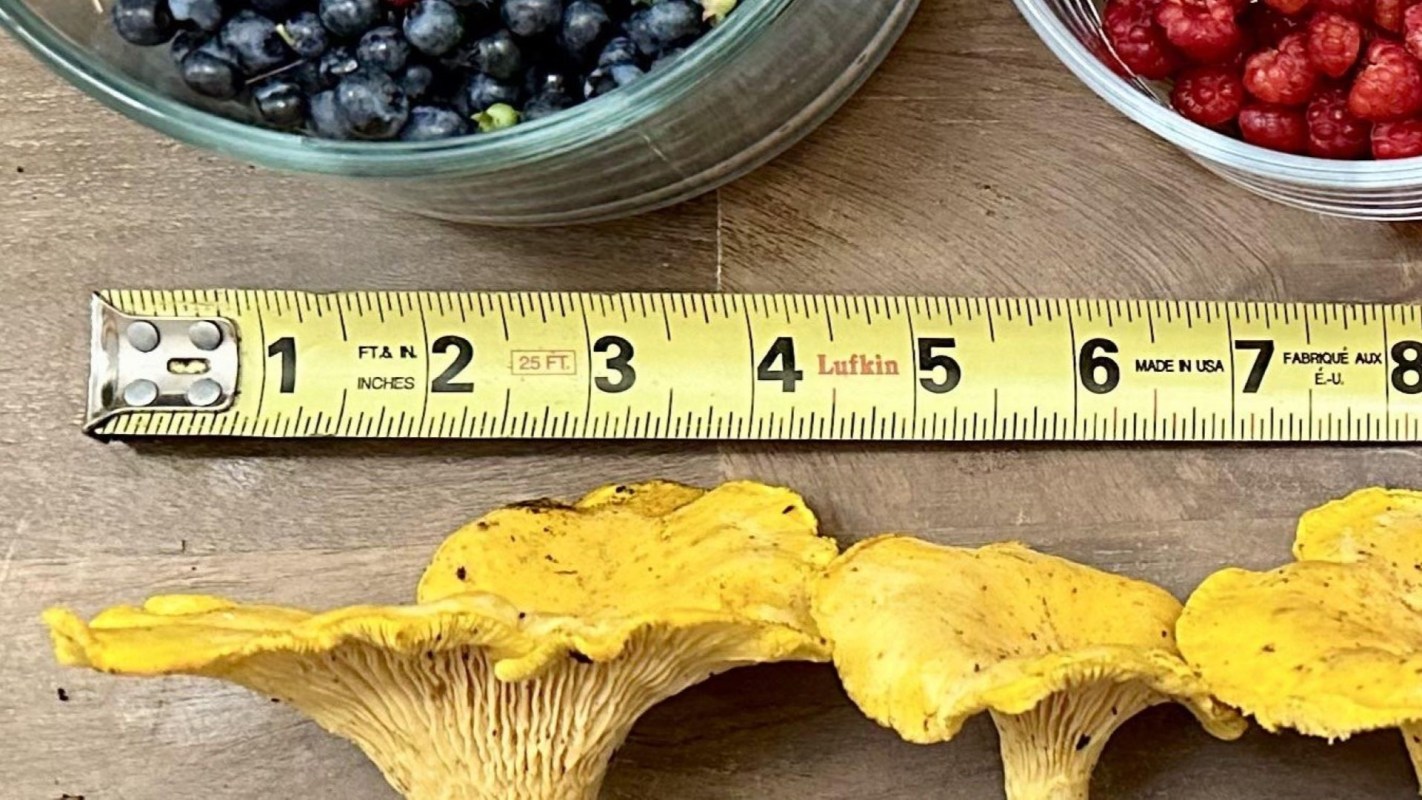
A New Hampshire forager turned heads by sharing the stunning array of mushrooms and berries they found one morning.
What happened?
They posted photos of their haul in Reddit's r/foraging forum, showing off the giant golden chanterelles, black trumpets, lowbush blueberries, raspberries, and staghorn sumac.
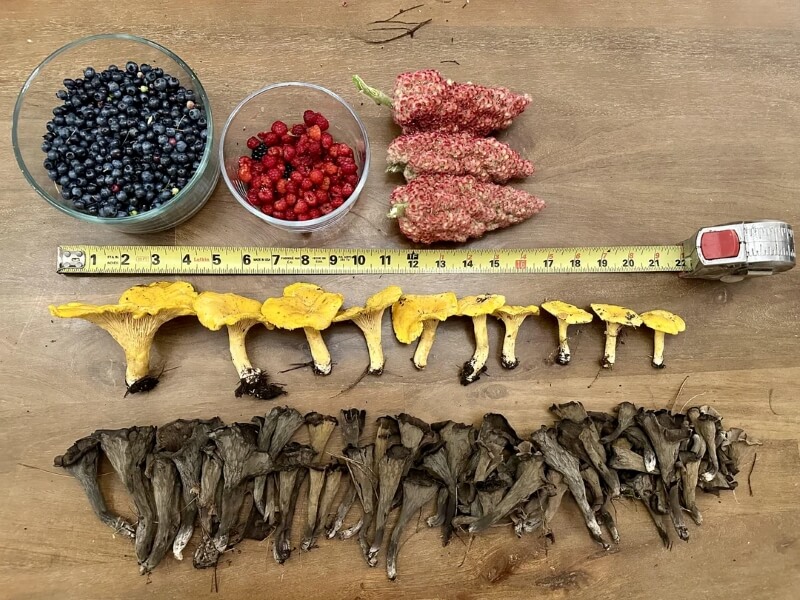
"Biggest chanterelles I've found this season, which so far has been incredible," the original poster wrote.
According to the OP, the mushrooms were growing close to a stream in "very loose, almost muddy soil" beneath thick leaf cover.
That set off a broader exchange about shade, runoff, tree species, and how long productive spots can keep fruiting.
"Those chanterelles are beasts," one commenter said. "I rarely find them bigger than a few inches in my usual patches. Black trumpets are the real prize, though. They shrink down to almost nothing when dried, but the flavor punches way above their weight. That's an impressive haul for one morning."
TCD Picks » Quince Spotlight
💡These best-sellers from Quince deliver affordable, sustainable luxury for all




Another noted that chanterelles and black trumpets often turn up where rain or runoff keeps the ground damp, even if the surrounding terrain differs from place to place.
Why does it matter?
Wild foods can offer a low-cost, no-packaging way to supplement meals, connect with local ecosystems, and spend time outdoors.
At the same time, mushroom foraging comes with risks. Misidentification can be dangerous, and productive patches can be damaged by careless harvesting.
If you want to improve your own foraging skills, pay attention to patterns, not just species. Moist ground, stream edges, leaf cover, and nearby hardwoods may be useful clues.
Returning to a promising area can also pay off. In response to the OP's question about whether a small early flush might grow into something more, one commenter said: "Definitely check later; my spots produce for a few weeks. The longer the flush, the larger the mushrooms I see towards the end."
For beginners, experts generally recommend learning from multiple sources at once, such as a regional field guide, a local mycology or foraging group, and hands-on identification practice. Never eat a wild mushroom unless you are certain of what it is.

Get TCD's free newsletters for easy tips, smart advice, and a chance to earn $5,000 toward home upgrades. To see more stories like this one, change your Google preferences here.







