


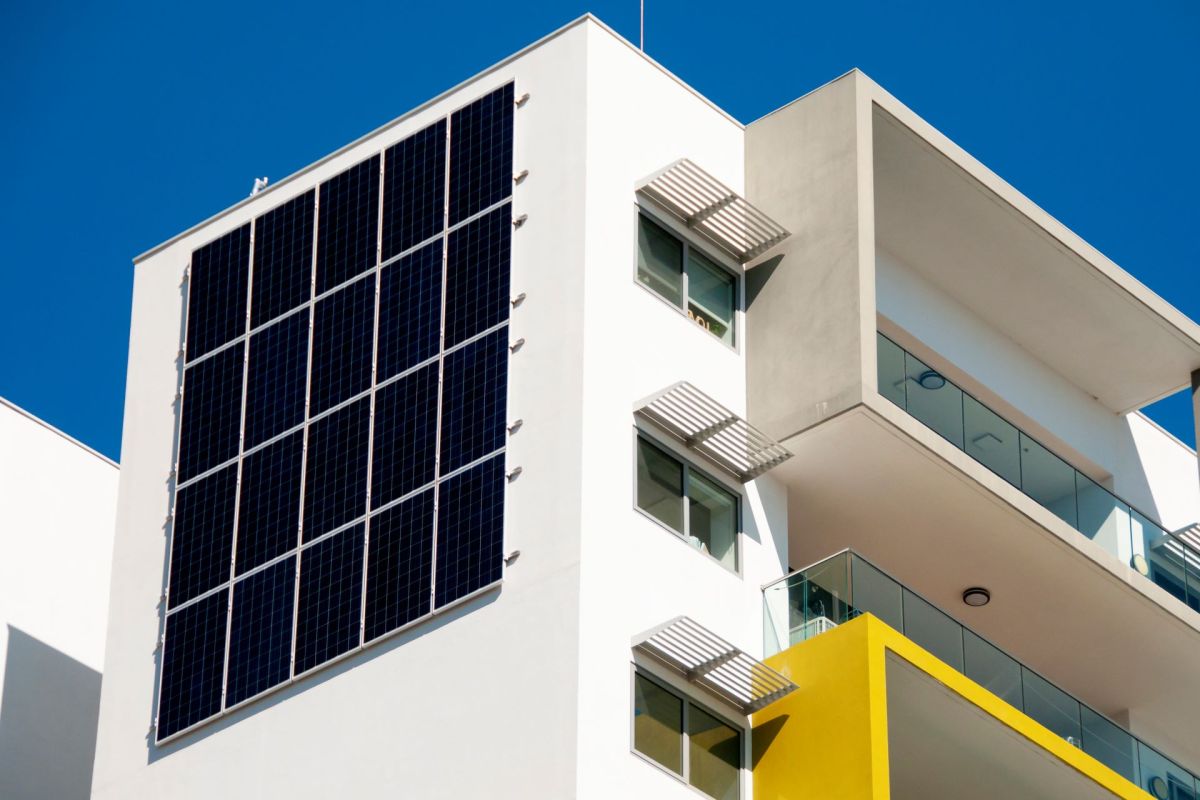
Rooftop solar has been much harder to scale in multi-unit housing than in standalone homes. In apartment buildings, scarce roof area, building-wide electrical setups, and tenant turnover can all limit access to clean energy benefits.
In Sydney, a pilot is exploring whether artificial intelligence can manage shared solar power in apartment blocks more effectively while also bringing down operating expenses.
What's happening?
Researchers in Sydney are studying ways to improve results from apartment building solar and battery setups, as savings have historically been far easier to capture for single-family homeowners than residents of multi-unit properties.
CleanTechnica reported that researchers at UNSW Canberra, together with Voltval and JT Solar Technology, are testing an AI-powered modular power portal system. It is designed to anticipate electricity supply and demand, then route power among apartments as conditions change.
Australia is home to about 2.5 million apartment residents, and in New South Wales, where around 1 in 3 people live in apartments, just 3.5% of apartment dwellers have access to rooftop solar.
The work has received about 1.2 million Australian dollars, or roughly $830,000, from the Australian Department of Education's Trailblazer for Recycling and Clean Energy program. Researchers say the AI layer may reduce operating costs for apartment clean energy systems by up to 30%.
Why does it matter?
If those savings prove real, they could lower electricity bills and make shared solar a more practical option for buildings that might otherwise steer clear of it.
Solar panels and battery storage are no longer only climate action solutions — they are increasingly tools for saving money and improving energy resilience at home. Adding battery storage is one of the best ways to protect your home during outages, save money on energy by using stored power when rates are high, and even move closer to going off-grid.
Save $10,000 on solar panels without even sharing your phone number Want to go solar but not sure who to trust? EnergySage has your back with free and transparent quotes from fully vetted providers in your area. To get started, just answer a few questions about your home — no phone number required. Within a day or two, EnergySage will email you the best options for your needs, and their expert advisers can help you compare quotes and pick a winner. Solar panels can save you more than $50k over their 25-year lifespan, and EnergySage can help you save as much as $10k on installation. Which begs the question — isn't that worth an email or two? |

While this project focuses on apartments, homeowners interested in backup power can use EnergySage's free tools to learn about home battery storage options and get competitive installation estimates. EnergySage has teamed up with the electrification brand Qmerit to guarantee you get the best price on home battery storage solutions.
If more apartment buildings can rely on shared solar and batteries, cities can reduce their dependence on fossil fuel-generated electricity, cutting both planet-warming pollution and the harmful air pollution that comes with it.
What's being done?
Rather than handling each unit individually, the Sydney pilot focuses on the property as a whole. The goal is to manage shared solar production, battery storage, and electricity consumption across the entire building.
That model could expand clean energy access for residents who lack control over rooftops, parking areas, and electrical systems.
Other partners involved in the pilot are Beaumont Strata Management, Ocean Building Management, One Stop Warehouse, Piper Alderman, SAJ Electric, and Squared-X.
The effort reflects a broader push to make sure clean energy savings reach more people, not just owners of standalone homes. Shared systems, smarter building management, and better battery coordination could all help renters and condo residents participate in the energy transition.
For people looking for smaller-scale backup options, Pila offers excellent battery backup solutions. Its plug-and-play batteries are priced at a fraction of what a whole-home backup system costs.
If the pilot works as intended, it could offer a useful model for dense cities around the world.
"The next phase of Australia's clean energy transition will depend on ensuring that apartment residents can participate in the benefits of distributed energy resources," UNSW Canberra associate professor Huadong Mo said.

Get TCD's free newsletters for easy tips, smart advice, and a chance to earn $5,000 toward home upgrades. To see more stories like this one, change your Google preferences here.






