


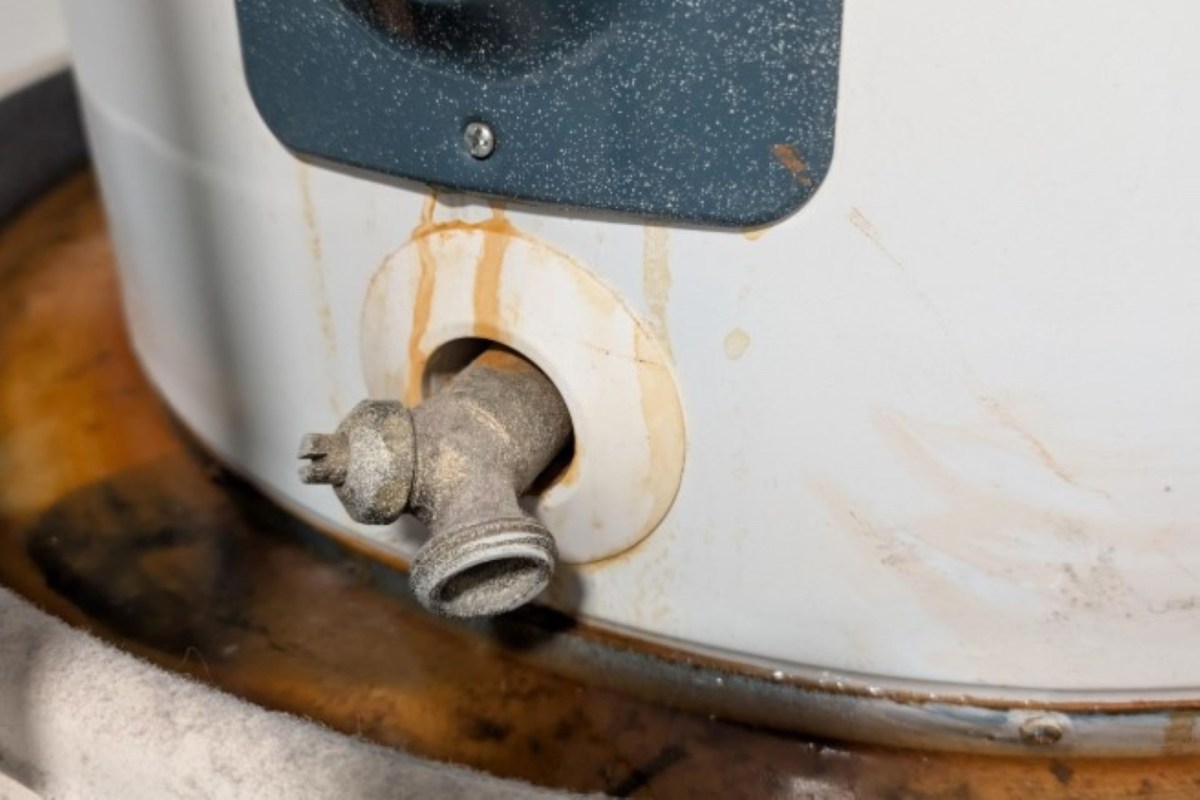
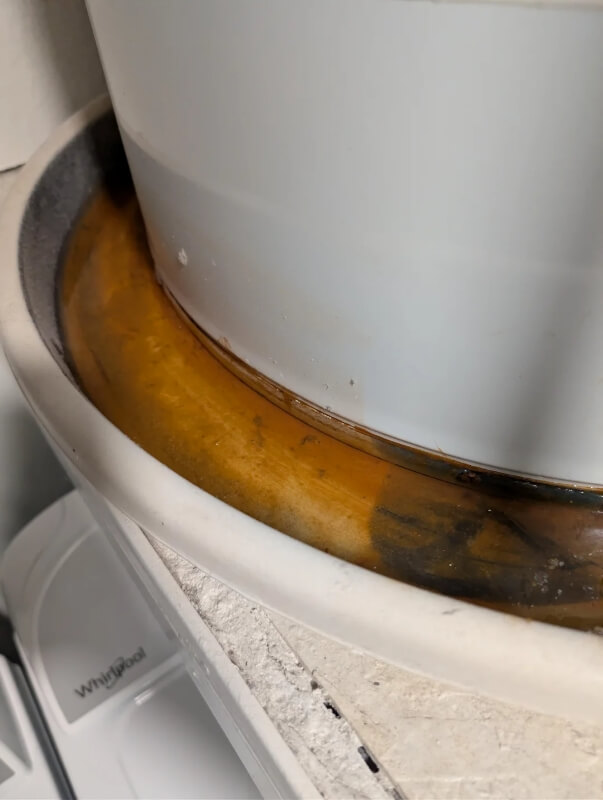
Photos posted online by a renter drew attention to a leaking water heater in an apartment laundry closet, where rust marks and visible water damage could be seen. The tenant said management still had not stepped in.
For many households, an aging tank is more than just an inconvenience. Upgrading to a heat pump water heater can sharply reduce the energy needed to produce hot water, which can translate into meaningful utility bill savings over time, especially compared with outdated, inefficient units.
What happened?
The images shared on Reddit showed water on the floor and corrosion along the side of the heater, and the tenant wrote that building management was "ignoring" the leaking appliance.
People responding to the post, including plumbers and other renters, treated the leak as a serious issue rather than something to watch.
Many said the tenant should push for action quickly before the unit failed and caused costly damage.
The suggestions centered on escalation, including documenting everything, citing local codes, and threatening complaints if management continued to stay silent.
In short, commenters said a leaking water heater was not a cosmetic problem.
Why does it matter?
When a water heater leaks, the risks can escalate quickly. Left unaddressed, even a slow drip can damage floors, walls, and belongings, while a full tank failure can flood a unit and create large repair costs for both tenants and owners.
Crushed by your bills? See instant solar savings from vetted installers in just a few clicks With energy prices through the roof, there's never been a better time to go solar — and EasyHome can help you find the best prices from the best installers in your area. EasyHome takes the guesswork and headaches out of energy upgrades by showing you estimated savings from a network of vetted local partners. To get started, just enter your ZIP and share a few details about your home — seeing your estimate is really that easy. |

It also puts renters in a familiar bind. They are often the first to notice a problem and the last to have the power to fix it.
Across the country, landlords have been noted as preventing renters from adopting money-saving lifestyle changes, including but not limited to planting native species and hanging clotheslines to dry laundry.
A tenant dealing with neglected equipment may also pay for inefficiency through higher energy bills while living with the stress of possible water damage.
What can I do?
Commenters stressed the importance of creating a paper trail. That means taking photos, submitting maintenance requests in writing, noting dates, and checking local laws so you have all the support you need.
If building rules are part of the problem, it may be necessary to work with landlords, boards, or associations to enact smarter policies.
For those who do have a say in replacements, Cala is one company trying to improve such situations before breakdowns happen. Its customizable smart heat pump water heaters help decrease energy bills by heating water exactly when it's needed. That means less wasted energy than older systems that heat water around the clock.
A system from Cala will not solve a landlord's silence, but it can show what modern, efficient, and reliable water heating looks like. For renters, that can be useful context when asking property owners to replace failing equipment instead of patching it up again.

Get TCD's free newsletters for easy tips, smart advice, and a chance to earn $5,000 toward home upgrades. To see more stories like this one, change your Google preferences here.






