


During a period of punishing heat, Rhode Island advocates warned that a worsening utility crisis was putting older adults, single-parent families, and people with medical needs at risk as electricity shutoffs mounted.
One community group said overnight calls for help became so frequent that its voicemail filled up before staff returned in the morning.
What's happening?
At the start of the day, workers at the George Wiley Center, an advocacy group in Pawtucket, found as many as dozens of messages from residents who feared losing power or were already living without it.
In May, more than 2,700 Rhode Island Energy customers were disconnected from electric or gas service for unpaid bills, and another 50,000 were sent warning notices, the Rhode Island Current reported.
"People are in crisis. At this point, it's not unusual that we come in the morning and we have 40 messages of folks that have called overnight," Camilo Viveiros, executive director for the George Wiley Center, said Monday.
The surge came after Rhode Island's winter shutoff moratorium expired; that policy bars utility disconnections from Nov. 1 to May 1.
TCD Picks » Quince Spotlight
💡These best-sellers from Quince deliver affordable, sustainable luxury for all




Many households have also lost the coronavirus pandemic-era flexibility once available on overdue balances, even as rising rates, expired discounts, and global fuel price volatility continue to keep bills high.
Why does it matter?
The problem extends beyond finances and into public health, especially for seniors and people with serious medical conditions who may depend on electricity for cooling or to store medication or power medical equipment.
Wintertime protection can reduce some of the worst consequences of utility loss. In summer, however, that safeguard may not exist.
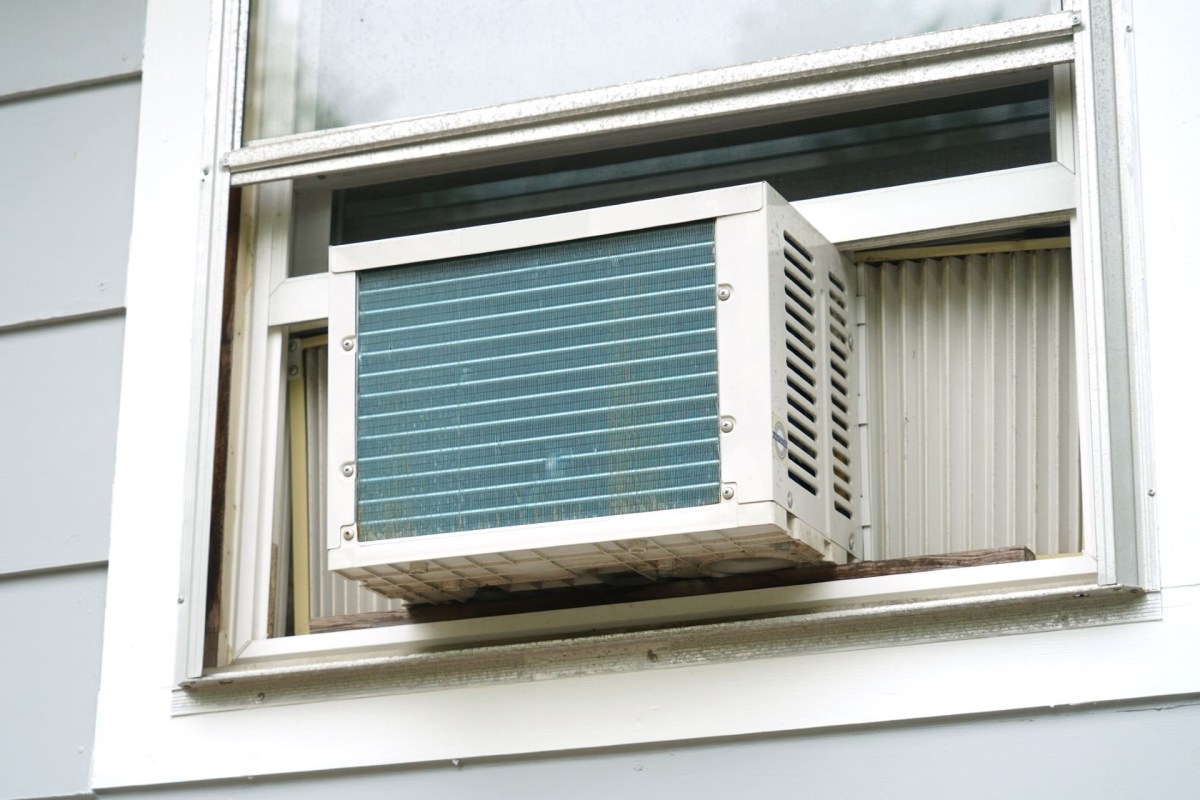
"We think of people freezing in the winter if they can't afford to pay their bills, but because of the state moratorium, we're able to protect most people," Viveiros said, according to the Current. "Summertime is really the biggest problem. AC is just not something that's optional anymore."
Policy decisions can slow progress toward a safer, more affordable future for everyone. When shutoff protections end before energy costs become manageable, families are forced into impossible choices between keeping the lights on and paying for food, rent, or medicine.
United Way of Rhode Island also experienced high call volume. As the Current reported, the organization's 211 line logged more than 5,700 energy-related calls across May and June, almost five times the total from the same period in 2025. "It's a little bit of a perfect storm in a lot of ways," Cortney Nicolato, president and CEO of United Way of Rhode Island, said.
What's being done?
Relief is available, though advocates say it may not be enough for everyone facing a shutoff this summer.
To meet the need, United Way of Rhode Island will keep applications open for its Good Neighbor Energy Fund through July 31.
Eligible low-income applicants can receive a one-time grant of up to $600 for gas and electric bills or $825 for oil and propane.
As of July 6, over $150,000 remained in the program after nearly $216,000 was distributed to 937 applicants since January.
Rhode Island Energy said it also offers debt forgiveness, discount rates, and payment plans.
"We recognize that affordability remains a challenge for many Rhode Islanders, and we encourage customers who are having difficulty paying their bills to contact us as soon as possible to find the right solution for their situation," Michael Dalo, a spokesperson for Rhode Island Energy, said.
A proposed five-tier discount program would cap electric bills for the lowest-income customers at about 6% of total income, but it would not take effect until March 1.
Advocates said many residents only learn about available aid after their power has already been cut off.

Get TCD's free newsletters for easy tips, smart advice, and a chance to earn $5,000 toward home upgrades. To see more stories like this one, change your Google preferences here.






