


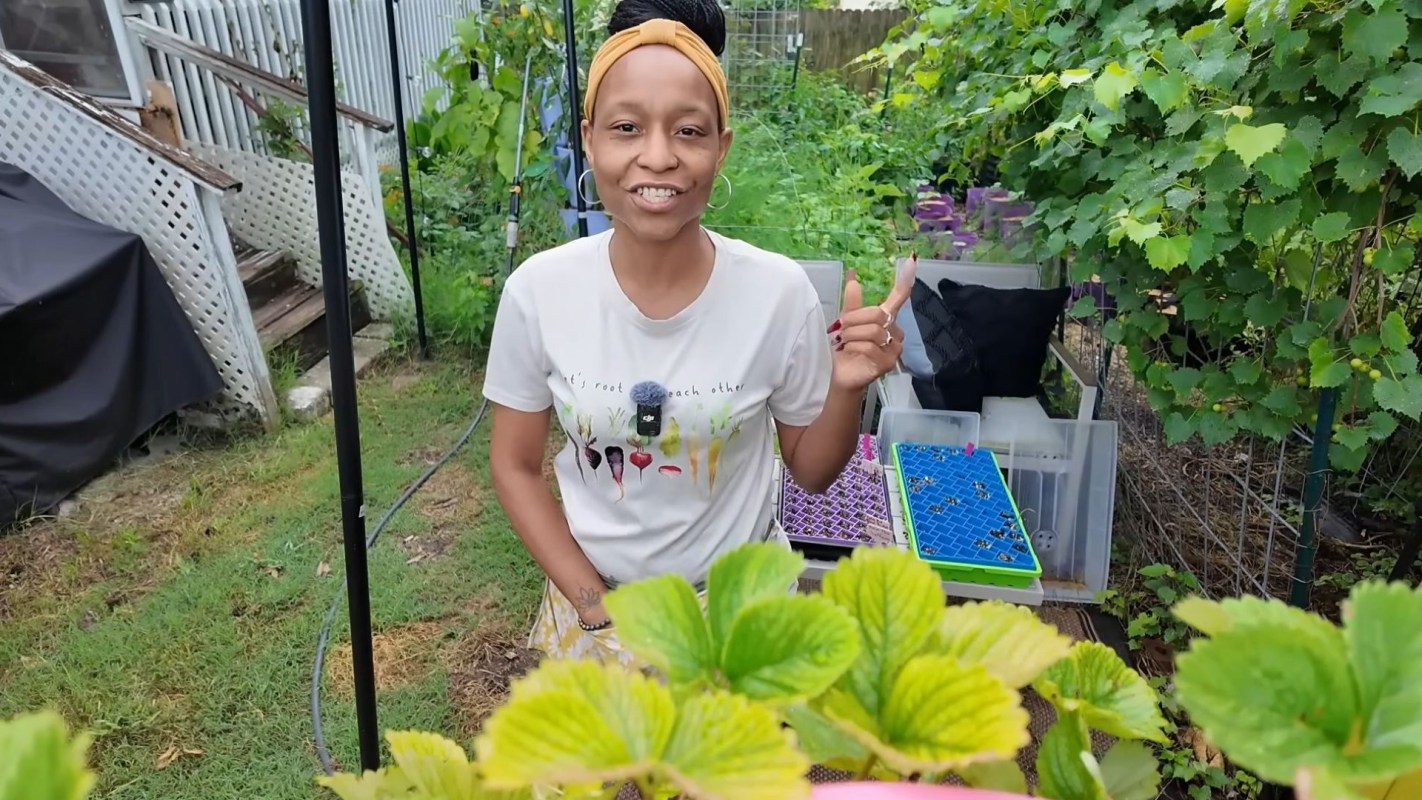
A thriving garden is often associated with abundance, but one urban gardener is showing that success can also mean knowing when to cut back.
A recent midsummer video from Yellow Door Urban Homestead (@YellowDoorUrbanHomestead) pairs a July walk-through of the urban garden with a point the creator says matters just as much as the harvest itself: this standout season has required difficult decisions about what to keep, trim, or remove.
What's happening?
In a recent YouTube video, the creator shared a 56-minute July walkthrough of the garden, uploaded on July 7.
As outlined in the video's description, the tour moves through different parts of the setup — including raised beds, greenhouse space, irrigation, trays, and pruning — while also addressing the less glamorous task of choosing which plants to keep and which to remove.
The creator framed the update around "making hard mid-season garden decisions" and called it "My Best Garden to Date."
Rather than serving only as a showcase of midsummer growth, the tour offers a realistic look at editing a garden in real time.
TCD Picks » Quince Spotlight
💡These best-sellers from Quince deliver affordable, sustainable luxury for all




Much of the video is about deliberately using limited garden space, weighing which crops are doing well, which are crowding out better options, and where a replacement might yield more over the rest of the season.
Why does it matter?
Urban gardening can help households lower grocery bills, grow fresher produce, and reduce dependence on food transported over long distances.
However, one of the biggest barriers for newer gardeners is the idea that every plant must be kept alive at all costs.
This video pushes back on that mindset.
Midseason pruning, replanting, and even removing underperforming crops can make the rest of a garden healthier and more efficient, especially in smaller city spaces where every square foot matters.
Practical examples of food growing in compact spaces can encourage more people to try herbs, greens, tomatoes, or other crops at home, even if they do not have a large yard.
Better irrigation planning, thoughtful use of trays and greenhouse space, and careful decisions about what to keep can reduce wasted water, wasted inputs, and wasted effort, all while improving the odds of a stronger harvest.
What can I do?
A productive garden does not have to be perfect.
If a plant is diseased, overcrowded, bolting, or simply not producing, it may be worth replacing it with something that still has time to mature.
For apartment dwellers or homeowners with limited room, raised beds and small urban plots can still be highly productive when managed intentionally.
Even one or two beds can supply herbs, salad greens, peppers, or tomatoes with the right timing.
The best gardens are often the ones that adapt as conditions change rather than sticking rigidly to a spring plan.

Get TCD's free newsletters for easy tips, smart advice, and a chance to earn $5,000 toward home upgrades. To see more stories like this one, change your Google preferences here.







