


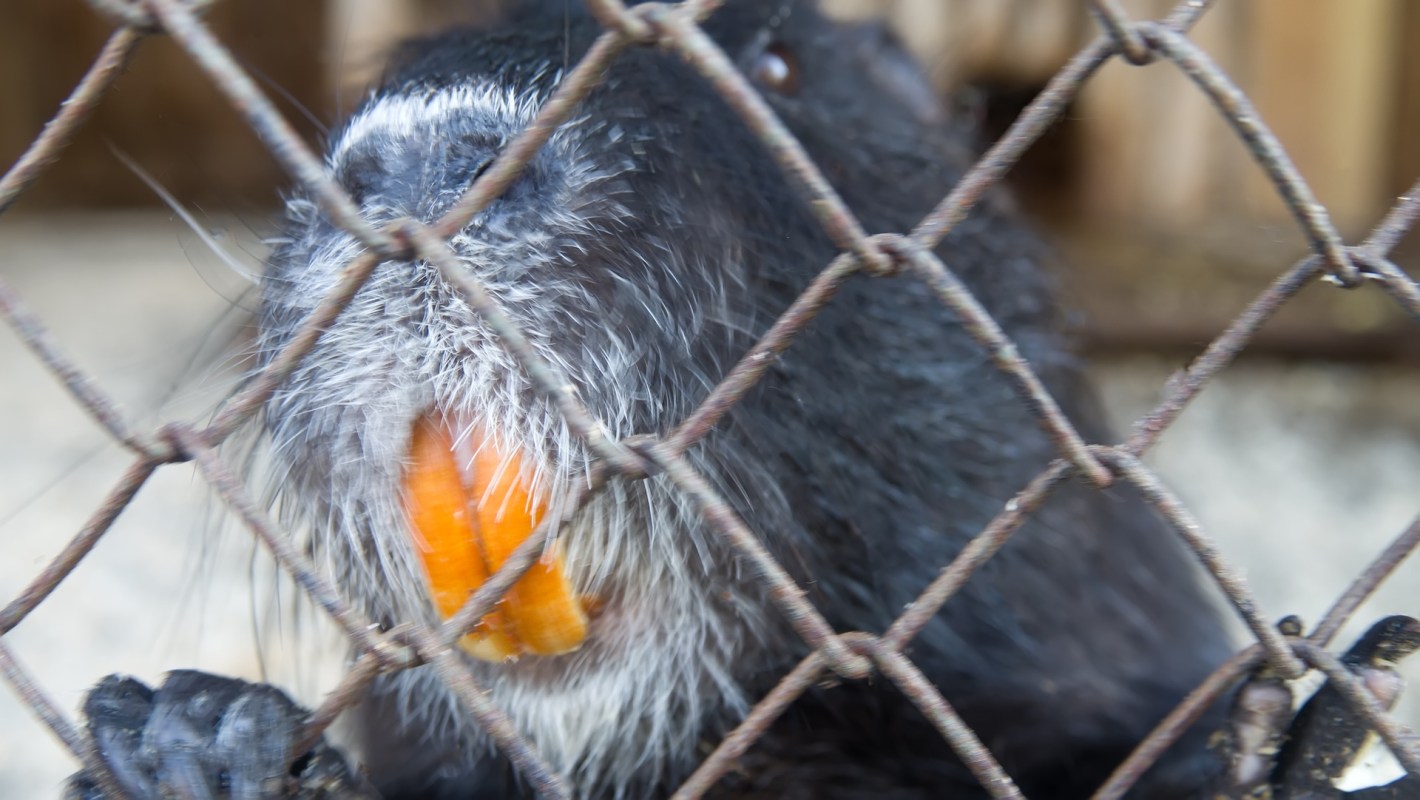
New DNA evidence suggests California's nutria problem didn't begin with a few animals quietly outlasting the state's eradication campaign. Instead, people may have illegally brought the destructive rodents back decades later.
What happened?
The rediscovery of nutria in California's San Joaquin Valley in 2017 left wildlife officials to answer a central question: Where had the large semiaquatic rodents come from?
According to Smithsonian Magazine, the state Department of Fish and Wildlife said genetic testing linked the nutria in California to a Central Oregon population, suggesting people deliberately moved the animals across state lines. The department announced the finding in April.
Researchers compared DNA from current nutria with decades-old skins and skulls held in collections at museums and universities across California, per Smithsonian Magazine. Their study, published in Evolutionary Applications in November, found that California's older nutria descended from several lineages, while the current population traces back to a single one.
That finding points to a recent reintroduction, not a hidden population that survived after California declared nutria eradicated in the late 1970s, according to Smithsonian Magazine.
Why does it matter?
Nutria can reach about 2.5 feet in length and weigh more than 20 pounds, and they can damage wetlands, crops, dams, and other water infrastructure.
TCD Picks » Quince Spotlight
💡These best-sellers from Quince deliver affordable, sustainable luxury for all




California spends roughly $5 million each year on eradication, and the work covers several hundred thousand acres of wetland and riverside habitat across the Sacramento-San Joaquin Delta and Central Valley.
The rodents threaten levees and earthen dams already under strain from atmospheric rivers, drought, and groundwater pumping. "Nutria can weaken levees to the point where even minor stresses or environmental changes can trigger a breach," engineering professor Farshid Vahedifard told New Scientist in 2023, as Smithsonian Magazine reported.
What's being done?
After a pregnant female appeared in Merced County in 2017, California launched an aggressive eradication campaign. Since then, crews have captured 7,841 nutria.
Wildlife managers use visual surveys, motion-detection cameras, trapping, and scat-detection dogs to track down the rodents. Researchers created a global nutria DNA reference database, which could help other agencies spot and trace invasions faster.
Nutria have slender tails like rats, orange front teeth, white muzzle whiskers, and dark ears lined with pale fur. Even so, they're easy to mistake for muskrats, beavers, river otters, and mink, and most nutria reports received by state wildlife officials turn out to be muskrat sightings, Smithsonian Magazine said.
Under state law, you can kill nutria "by any legal means" if they're damaging property or crops, and citizens have to report the kill to the state, ideally with photos and the carcass.
"Given where nutria were rediscovered in California, it is nearly impossible that they could have migrated there on their own," CDFW wildlife genetics research lead Michael Buchalski told SFGate in April, per Smithsonian Magazine. "... That makes human introduction the most likely scenario."

Get TCD's free newsletters for easy tips, smart advice, and a chance to earn $5,000 toward home upgrades. To see more stories like this one, change your Google preferences here.






