


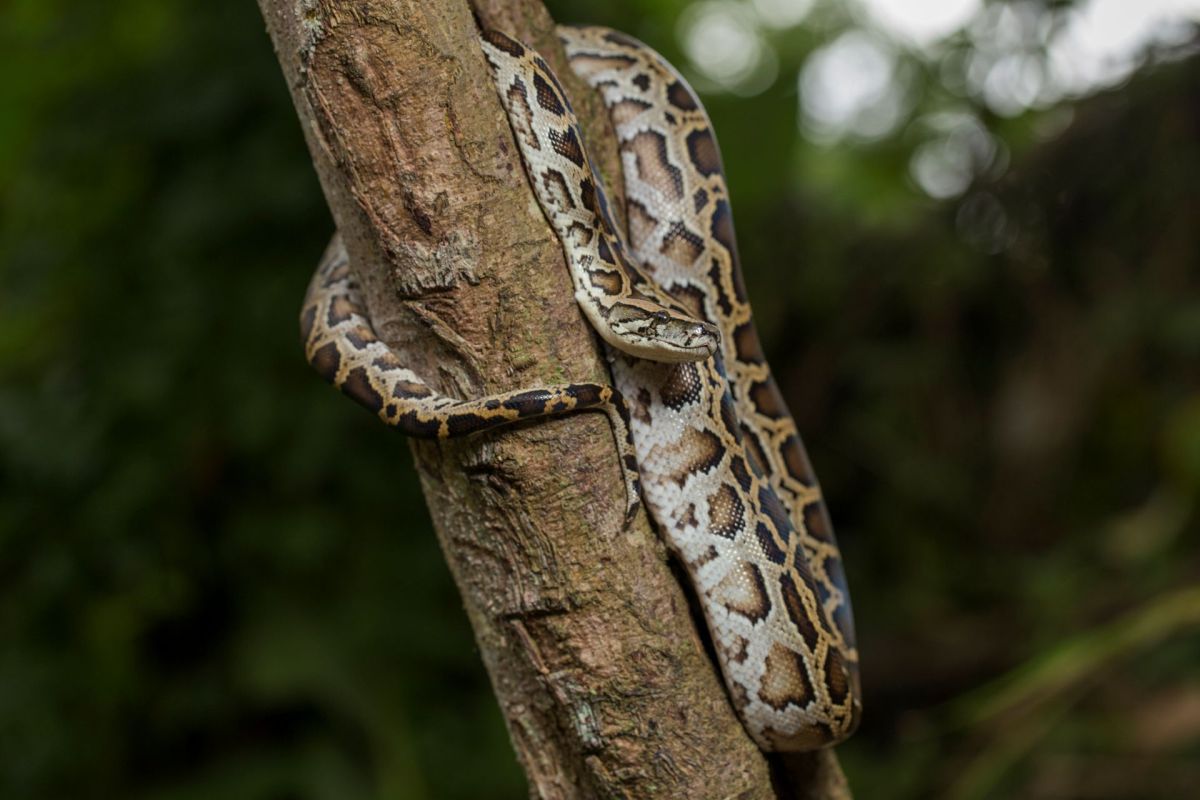
The latest python season ended with a new record number of catches for Florida wildlife biologists, in part, due to the use of "scout" pythons.
What happened?
In Southwest Florida, crews of wildlife experts used radio-tagged male "scouts" to find mating groups in the swamp, a tactic that led to the removal of over 8,000 pounds worth of invasive Burmese pythons.
This number of captured snakes is the largest since the Conservancy of Southwest Florida's python removal program began over 13 years ago.
A Gulf Coast News report now says this latest breeding season in Collier County ended with a total of 177 Burmese pythons being removed. The report's footage showed teams with the Conservancy of Southwest Florida measuring the enormous constrictors after pulling them from wilderness areas in Southwest Florida.
Rather than searching at random, biologists use a targeted method during the winter mating season. Male pythons were fitted with radio transmitters and then traced back to the large reproductive females they were seeking, allowing teams to remove those snakes before the females laid eggs.
One wildlife expert told Gulf Coast News that these egg-laying pythons were considered "high-value targets" in the fight against the snake's invasion into Florida ecosystems.
TCD Picks » Quince Spotlight
💡These best-sellers from Quince deliver affordable, sustainable luxury for all




Why does it matter?
Burmese pythons are not native to the Everglades ecosystem, and they have become one of its most destructive predators. They prey on mammals, birds, and reptiles, and their spread has been linked to steep declines in some native animal populations.
Experts have long tied Florida's python invasion to the exotic pet trade, with snakes either released or escaping into the wild over time.
Healthy wetlands support tourism, fisheries, flood resilience, and biodiversity. So when invasive predators destabilize food webs, the effects can spread beyond remote marshes.
Luckily, stopping even one breeding event can significantly reduce future snake numbers. Efforts to fight these invasive animals are ongoing, but the tactics humans use are only improving.

Get TCD's free newsletters for easy tips, smart advice, and a chance to earn $5,000 toward home upgrades. To see more stories like this one, change your Google preferences here.







