


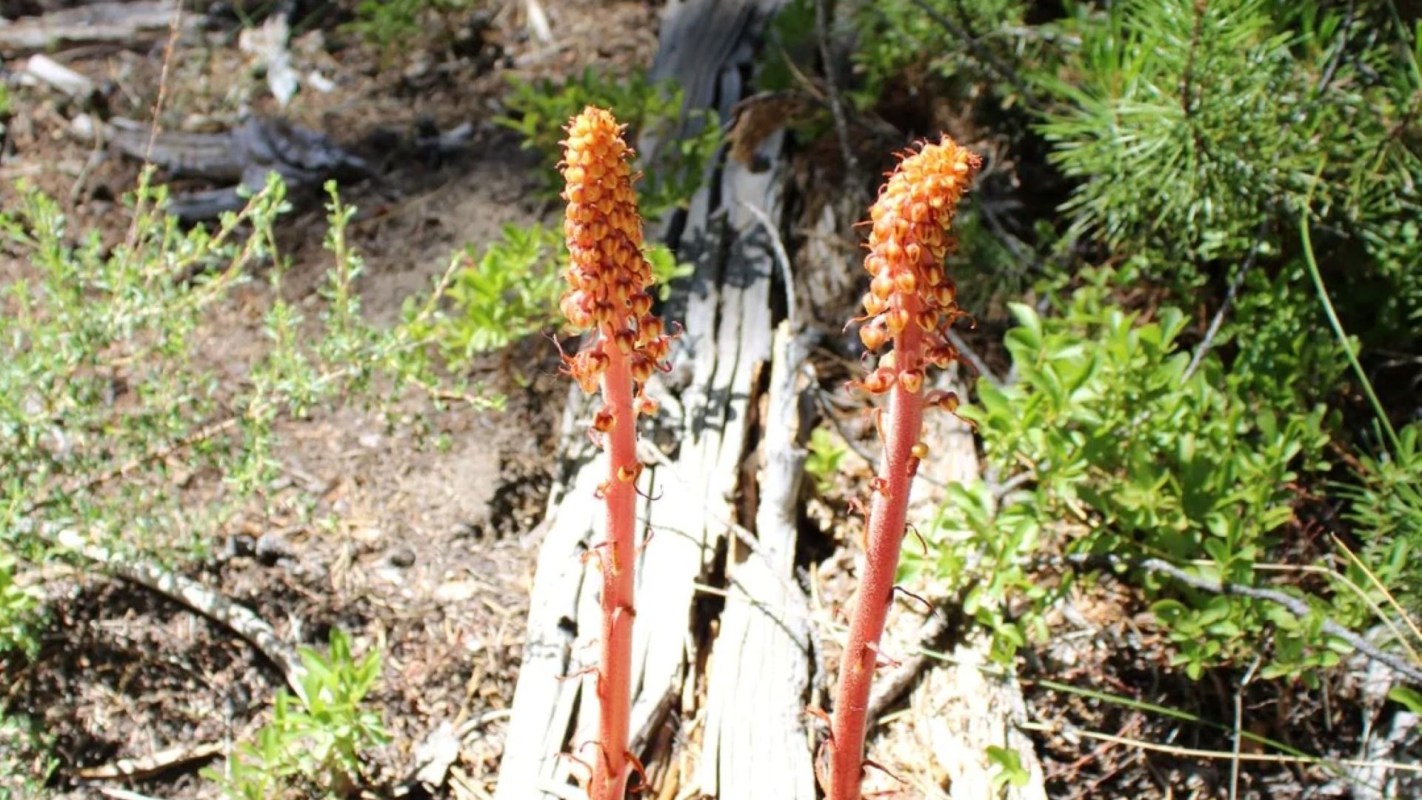
A photo from a hike in central Oregon sent Reddit into botany-explainer mode after one user asked for help identifying a strange red stalk on the forest floor.
The answer was even odder than the plant's appearance: it was a real botanical outlier that lives by drawing nutrients through an underground fungal network linked to trees.
What happened?
The image appeared in a Reddit thread on r/whatsthisplant, where the hiker said it was taken on a trail in central Oregon. They asked, "Is it a fungus?"
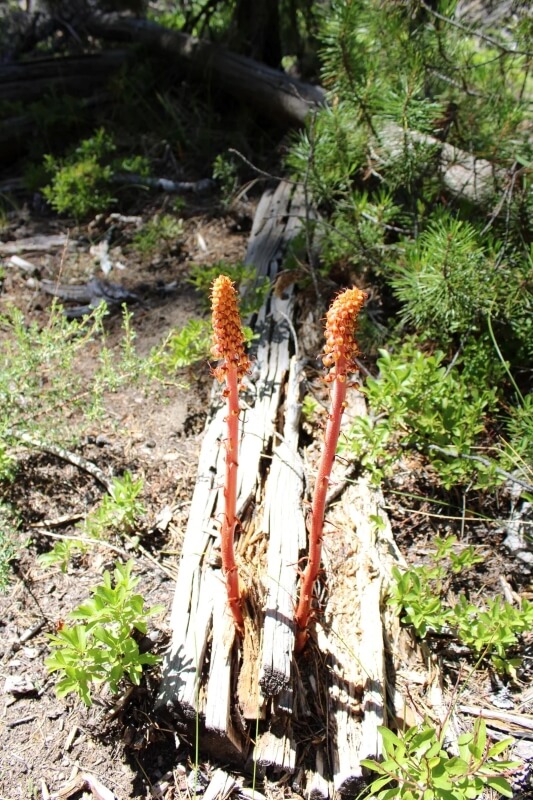
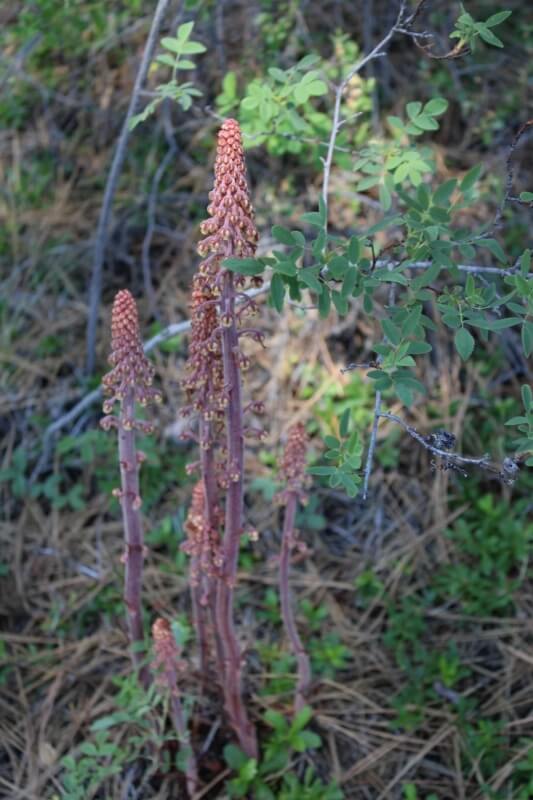
Users quickly said the plant was Pinedrops, or Pterospora andromedea, an unusual forest species found in the Pacific Northwest.
Redditors explained that Pinedrops feed differently from most plants. Rather than making food through photosynthesis, it is mycoheterotrophic and gets sugars through fungi connected to nearby trees. It essentially relies on the same underground mycorrhizal web that forests use to transport nutrients.
The thread also branched into comparisons with similar-looking plants, including ghost pipe, beechdrops, broomrapes, and bearcorn.
TCD Picks » Quince Spotlight
💡These best-sellers from Quince deliver affordable, sustainable luxury for all




Why does it matter?
Healthy ecosystems depend on biodiversity, and unusual species such as Pinedrops are reminders that even seemingly quiet landscapes are full of relationships that can be disrupted by habitat loss, drought, and development.
Supporting native plants where we live can also bring benefits closer to home. Native landscaping can help preserve pollinators, reduce water waste, and create healthier local ecosystems.
Replacing part of a traditional lawn with native plants can also save money and time on mowing and upkeep while lowering water bills.
Low-maintenance options include native-plant beds, clover, buffalo grass, and xeriscaping — and even a partial lawn replacement can deliver many of those benefits.
What can I do?
If a strange plant catches your eye outdoors, it is best to admire it without picking or disturbing it. Rare native plants often depend on very specific soil, fungi, and forest conditions, which makes them hard to relocate and easy to damage.
At home, one practical way to support local biodiversity is to move away from thirsty monoculture grass.
What began for the Oregon hiker as a moment of curiosity ended as a moment of awe. At least one commenter said the unusual forest plants seemed "magical."

Get TCD's free newsletters for easy tips, smart advice, and a chance to earn $5,000 toward home upgrades. To see more stories like this one, change your Google preferences here.






