


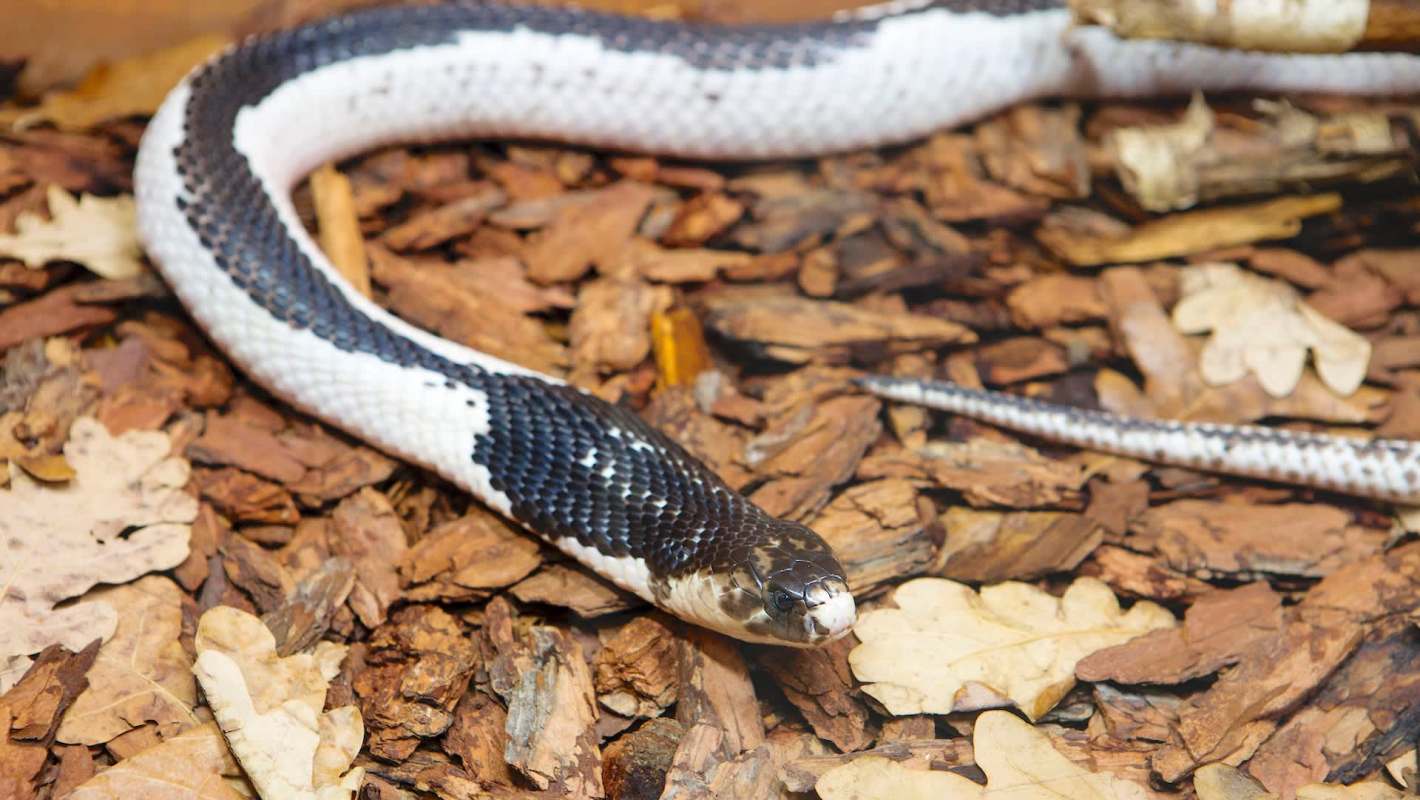
Officers conducting a welfare check at a Wichita Falls, Texas, residence found a spitting cobra, an animal prohibited under the city's ban on venomous reptiles.
The find is now under investigation and has raised fresh concerns about the risks of keeping dangerous, nonnative animals in residential neighborhoods.
What happened?
During a March 4 visit to a home in the 2000 block of Jolene Street, Wichita Falls police found several plastic bins holding venomous snakes, according to NewsNation.
Among them was a Siamese spitting cobra, a Southeast Asian species identified as one of Thailand's deadliest snakes.
After the snakes were discovered, animal control responded and took the cobra from the residence. The animal was later moved to a secure location, as Diann Bowman, animal care and adoption supervisor, described.
"When the animal control officer got there, there was a cobra in the home. So they got the cobra and brought it back here to the shelter. And then we found somewhere safe for that animal to go," Bowman said, per NewsNation.
TCD Picks » Quince Spotlight
💡These best-sellers from Quince deliver affordable, sustainable luxury for all




Wichita Falls Animal Services said it had never dealt with a cobra in the city before.
Officials have not said how the snake arrived there, and the investigation is still ongoing.
Why does it matter?
City rules prohibit residents from keeping venomous reptiles in Wichita Falls, a restriction Bowman said is rooted in safety.
"In Wichita Falls city limits, our city ordinance states that you are not allowed to have venomous reptiles," she said, per NewsNation. "It's a safety concern, you know, for the animals and of course, for the public."
Beyond the ordinance issue, experts said the species itself can inflict serious harm.
Snake wrangler Jaden Klein said, "Spitting cobras in general have somewhat of a diverse venom type, but in general, they're kind of core would be cytotoxic. So you're looking at there can be necrosis, swelling, blisters in the bite mark."
What's being done?
The cobra is no longer at the home and has been relocated to a secure site.
Authorities are advising anyone who sees a snake that may be dangerous to stay back and contact animal services.
Klein said a bite is not the only way the animal can injure someone, noting that its venom can also be harmful through exposure.
"If that gets in your eye, you're looking at burning, redness, maybe temporary blindness," he said.

Get TCD's free newsletters for easy tips, smart advice, and a chance to earn $5,000 toward home upgrades. To see more stories like this one, change your Google preferences here.






