


26 projects in the Twin Cities east metro and downstream parts of the Mississippi and St. Croix are set to share $20 million from Minnesota's 3M settlement over "forever chemicals," according to MPR News.
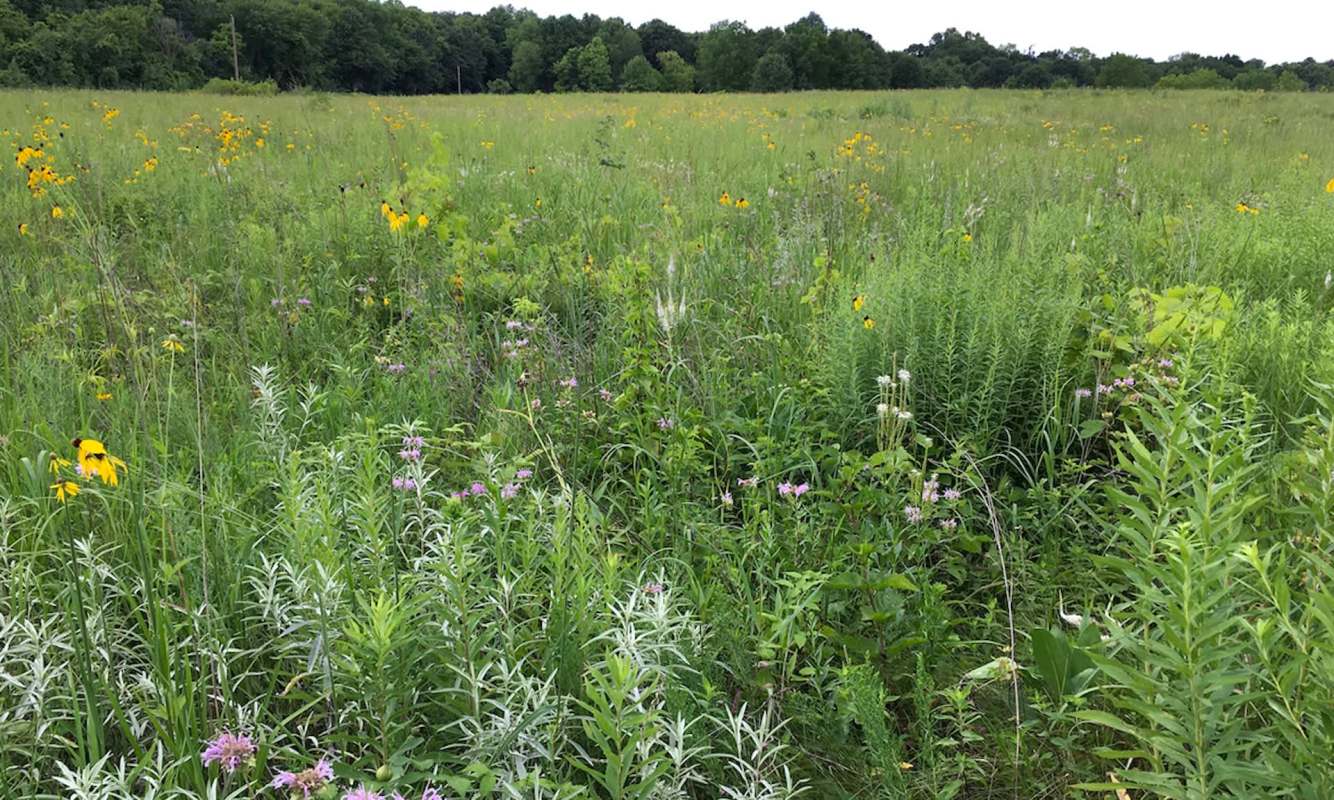
This portion of the funding is intended to create changes residents can readily notice, supporting healthier habitat, better parks, and improved access to rivers and trails.
What happened?
The money comes from Minnesota's 2018 agreement with 3M that resolved the state's lawsuit. The company paid $850 million after Minnesota alleged the PFAS it made had harmed drinking water and natural resources in the east metro.
Most of that money has gone toward safe drinking water projects, while this $20 million portion was earmarked for habitat, water resources, and outdoor recreation.
After reviewing more than 50 applications, state officials approved 26 projects. The awards cover a mix of work, including park upgrades, trail improvements, river access projects, fishing education programs, and wildlife habitat restoration.
Katie Smith, assistant commissioner at the Minnesota Pollution Control Agency, said during a media briefing, "By restoring habitat and outdoor spaces that support both people and wildlife, these grant projects are an important step in mitigating that damage."
TCD Picks » Quince Spotlight
💡These best-sellers from Quince deliver affordable, sustainable luxury for all




The money is being distributed roughly eight years after the settlement was announced, marking a visible new phase in a case that has shaped environmental policy in Minnesota for years.
Why does it matter?
Per- and polyfluoroalkyl substances, or PFAS, persist for an extremely long time in the environment, which is why they are often called "forever chemicals." Research has linked exposure to health concerns, including kidney and thyroid disease, liver damage, low birth weight, and some cancers.
PFAS contamination has led to fish consumption advisories in heavily used waters, including parts of the Mississippi River and lakes such as Bde Maka Ska, Lake Elmo, and Lake Harriet.
What's being done?
The projects funded in this round are intended to repair and improve natural resources rather than directly remove PFAS from the environment.
Randall Doneen, a section manager with the DNR's water and ecological services division, said, "We got lots of different habitat improvement projects, both upland and water-related projects, that we're really pleased with."
Cottage Grove received more than $3 million for Mississippi Dunes Park. The grant will help pay for a park entrance, a parking area, paved trails, and related infrastructure intended to make the site a stronger regional destination connected to the Mississippi River.
Meanwhile, the broader PFAS response remains ongoing. A recent Minnesota Pollution Control Agency study recommended steps to contain the underground contamination plume and prevent its spread, including new wells to pump, treat, and redistribute groundwater.
Cottage Grove Mayor Myron Bailey stated, "These improvements will create safe, accessible connections throughout the park while laying the groundwork for exciting future amenities along the river."

Get TCD's free newsletters for easy tips, smart advice, and a chance to earn $5,000 toward home upgrades. To see more stories like this one, change your Google preferences here.







