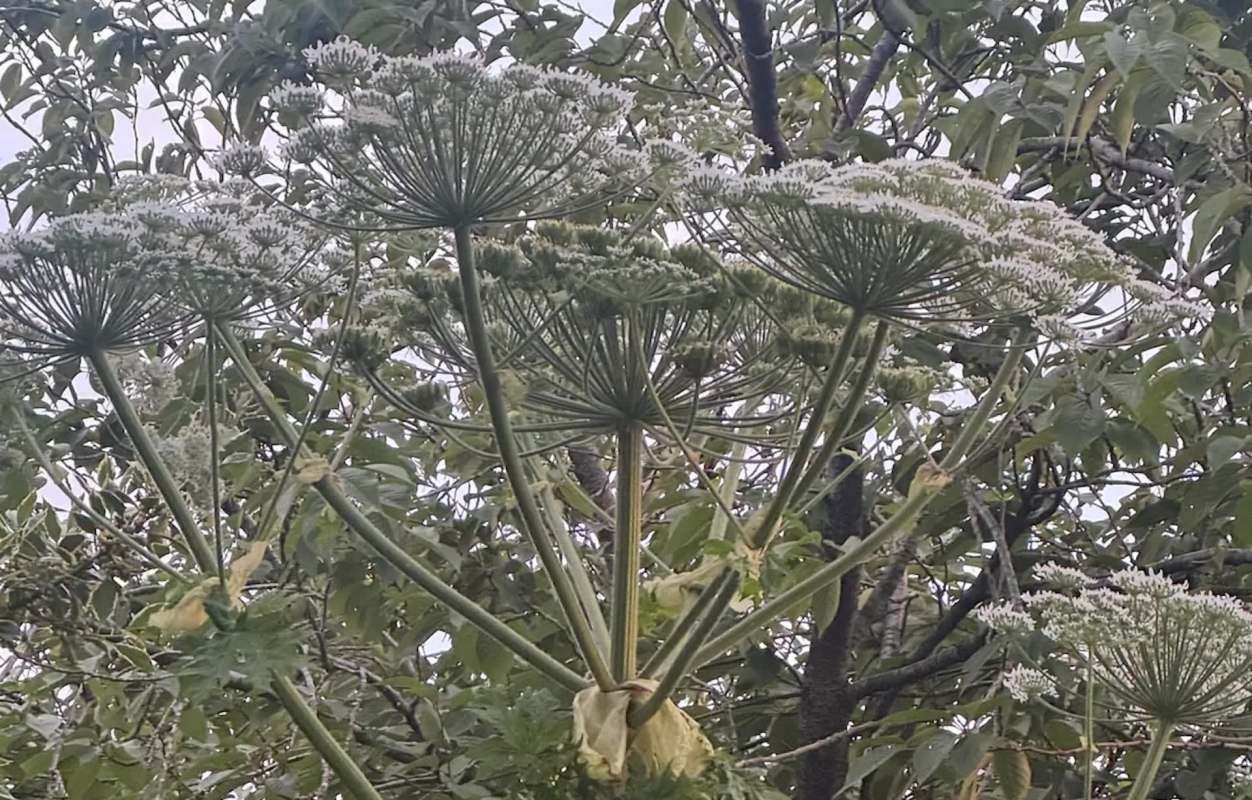
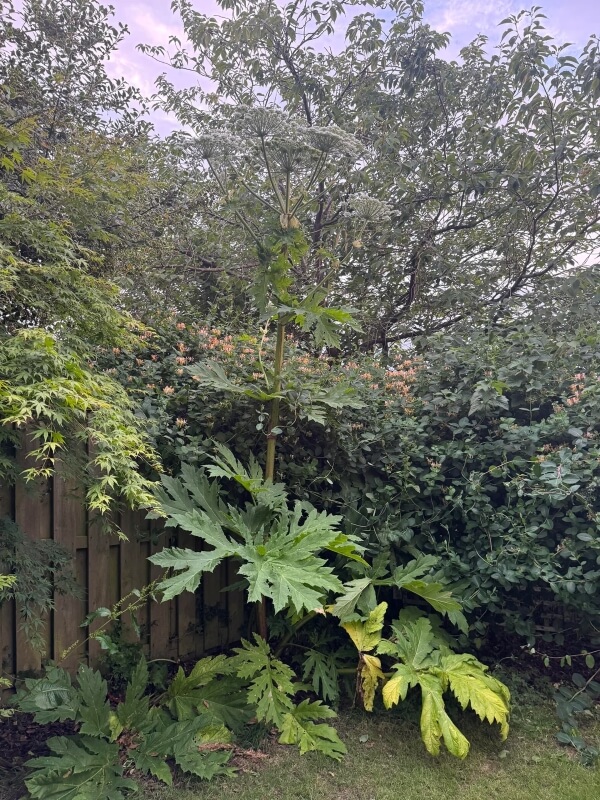
A gardener in Scotland posted a photo after an unusually tall plant sprouted where rhubarb had once grown. Other gardeners quickly warned that it appeared to be giant hogweed, which is considered one of the most dangerous invasive plants around.
What happened?
On Reddit, the poster asked whether the oversized plant might be giant hogweed. Replies came back with a strong yes, along with warnings that this was not the kind of thing to yank out on a sunny afternoon.
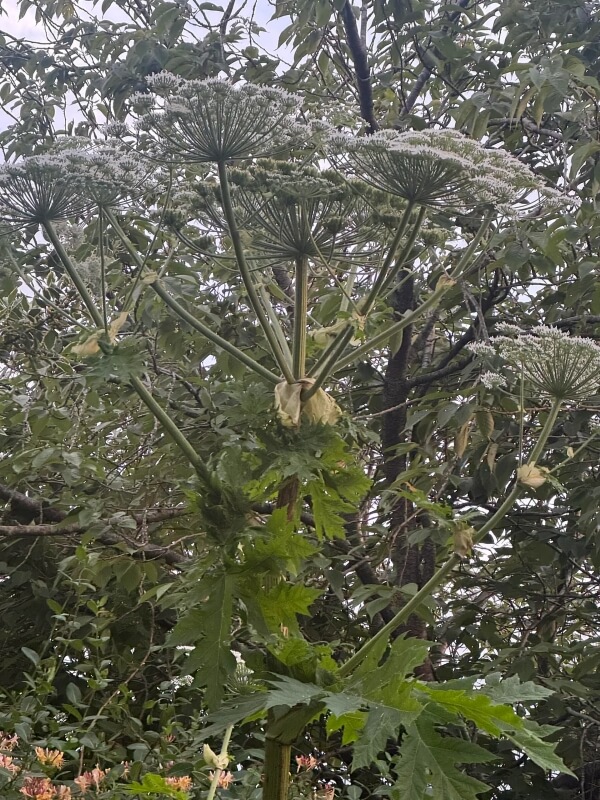
People in the thread emphasized that the plant's sap becomes hazardous when exposed to sunlight. If it gets on skin, they said, the phototoxic liquid can trigger painful blisters and burns, and it can also injure eyes, with some commenters warning of "blindness in sunlight."
Advice in the thread focused on keeping the gardener safe. Commenters said not to tackle removal without substantial protective gear, including suggestions such as Tyvek suits, and discussed herbicides, disposing of seed heads carefully, and notifying the local council or agricultural authorities.
Stories from others who had run into hogweed or wild parsnip made the warnings feel even more urgent.
Why does it matter?
Giant hogweed is bad news for both people and ecosystems. The invasive plant can grow to enormous heights, spread aggressively, and crowd out other vegetation, making it harder for native species to survive.
TCD Picks » Quince Spotlight
💡These best-sellers from Quince deliver affordable, sustainable luxury for all




For homeowners, the biggest risk is accidental contact. Someone who mistakes it for a harmless ornamental or tries to cut it back without protection could end up with severe burns, especially during bright summer weather, when UV exposure activates the sap's damaging effects.
The thread also reflects a wider issue in the U.K. and North America: invasive plants are becoming more common, and removing them after they take hold can be costly, slow, and risky.
Smarter landscaping choices can help reduce maintenance problems. Replacing even part of a traditional lawn with native plants, clover, buffalo grass, or xeriscaping can save money and time on maintenance, lower water bills, and create a yard better suited to local conditions.
What can I do?
Anyone who suspects giant hogweed on their property should leave it alone and seek guidance from a local council or agriculture department before taking any action.
If you're rethinking your yard after a scare like this, a partial lawn replacement can help. Native-plant beds, clover, buffalo grass, and xeriscaping are all lower-maintenance options that can reduce mowing and watering while helping to prevent troublesome plants from taking over empty or stressed patches.

Get TCD's free newsletters for easy tips, smart advice, and a chance to earn $5,000 toward home upgrades. To see more stories like this one, change your Google preferences here.