


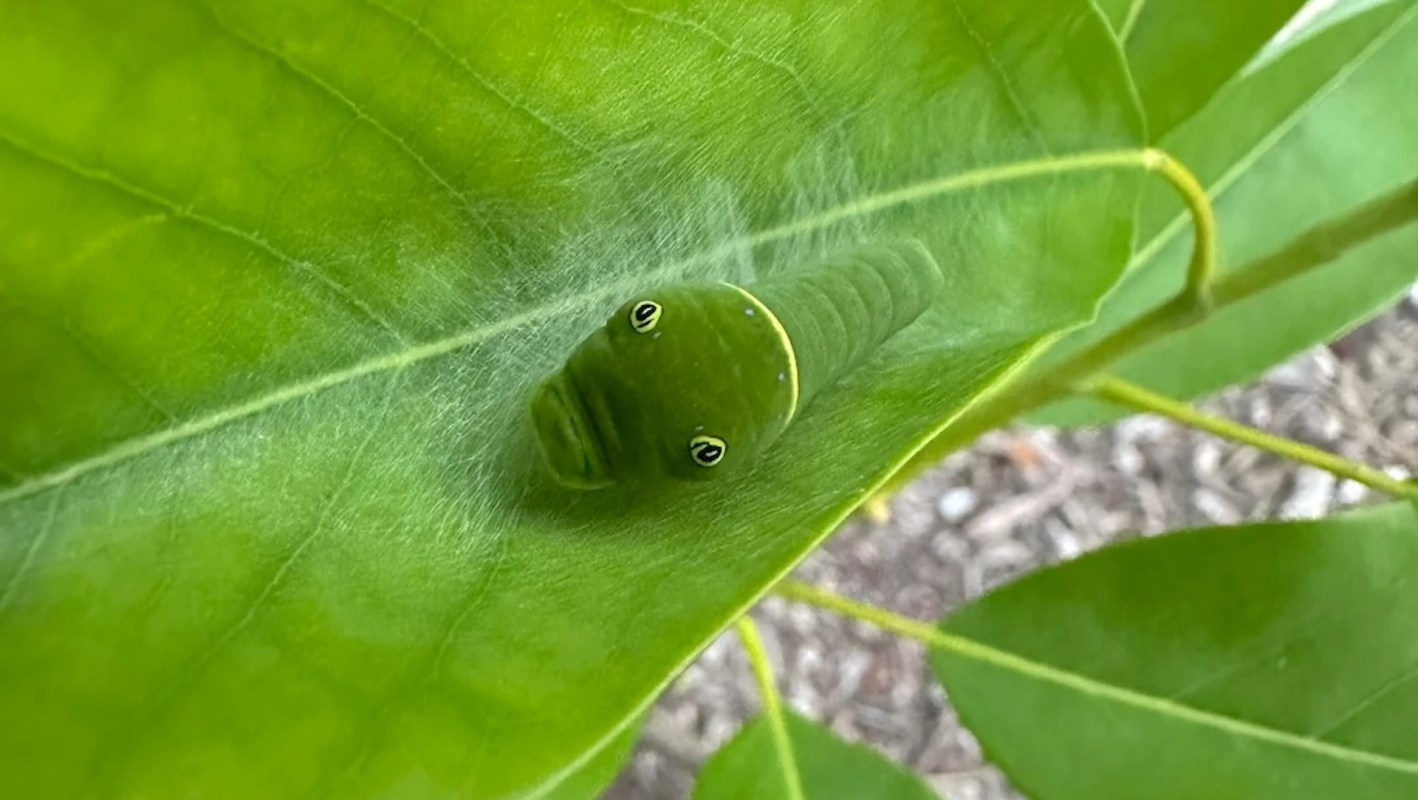
One magnolia tree in Wisconsin has gone viral, not because of its leaves or bark, but due to a mysterious critter hidden within its foliage.
After a local gardener spotted the "friendly face," they enlisted the internet's help to identify the animal. Nature enthusiasts immediately jumped in to provide an ID while also sharing facts about the animal.
What happened?
The gardener posted the photo on Reddit, writing, "I am in Northwestern Wisconsin and this cute fella is on my magnolia tree. Looks like it started to spin some silk, too."
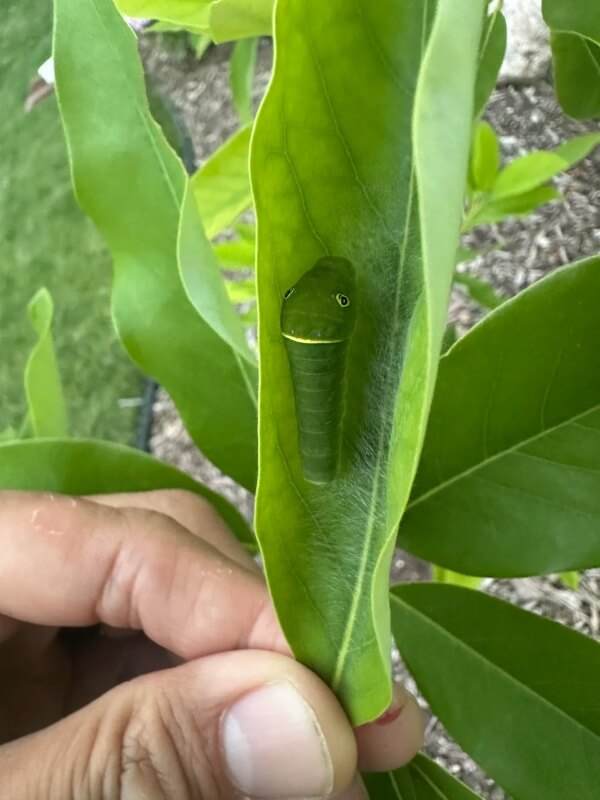
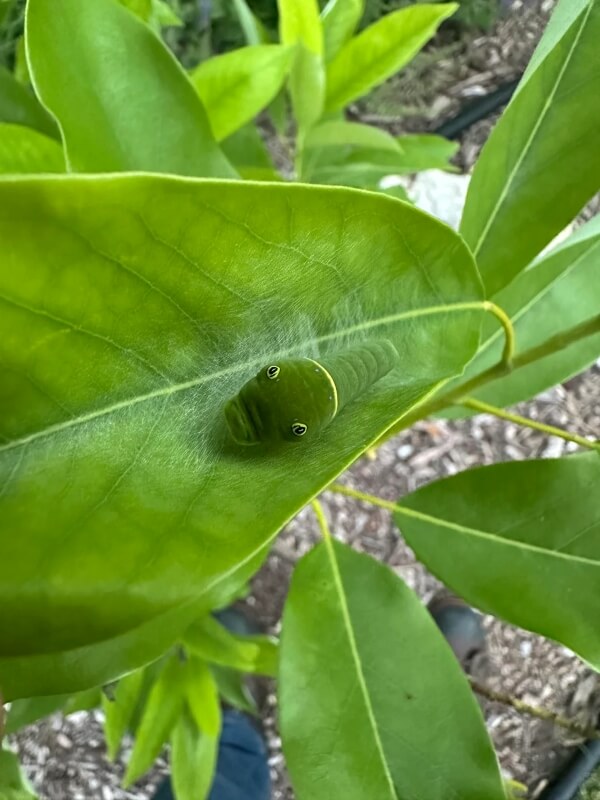
People in the comments identified it as an eastern tiger swallowtail caterpillar, which is the caterpillar stage of one of North America's most recognizable butterflies.
The bug's snake-like resemblance became part of the fun. One commenter replied, "An eastern tiger swallowtail, probably sad you didn't think he was a snake," while another joked, "what are you talking about? That's CLEARLY a snake!"
That appearance is part of the species' defense. Eastern tiger swallowtail caterpillars have large eyespots near the front of their bodies, which can make them look like small snakes to would-be predators.
TCD Picks » Quince Spotlight
💡These best-sellers from Quince deliver affordable, sustainable luxury for all




The post went on to receive over 1,500 upvotes.
Why does it matter?
Even ordinary yards can host surprisingly sophisticated wildlife. A magnolia tree may seem like just another landscaping feature, but it can also serve as a stopover or nursery for native insects that play important roles in local ecosystems.
Butterflies are important parts of the food web, and help support biodiversity. The caterpillars feed birds and other animals, while adult butterflies can contribute to pollination.
If you spot a caterpillar like this in your yard, it is best to usually leave it alone and observe it from a distance.
Most caterpillars are harmless, and some will soon transform into pollinators that benefit gardens and wild spaces alike.
It also helps to avoid broad-spectrum pesticides, which can kill beneficial insects along with unwanted ones. Gardeners who want to support more butterflies can consider planting native trees and flowers, too, since many species rely on specific host plants during their life cycles.
And if you are unsure what you have found, taking a clear photo and asking a bug-identification community is a great way to learn.

Get TCD's free newsletters for easy tips, smart advice, and a chance to earn $5,000 toward home upgrades. To see more stories like this one, change your Google preferences here.







