


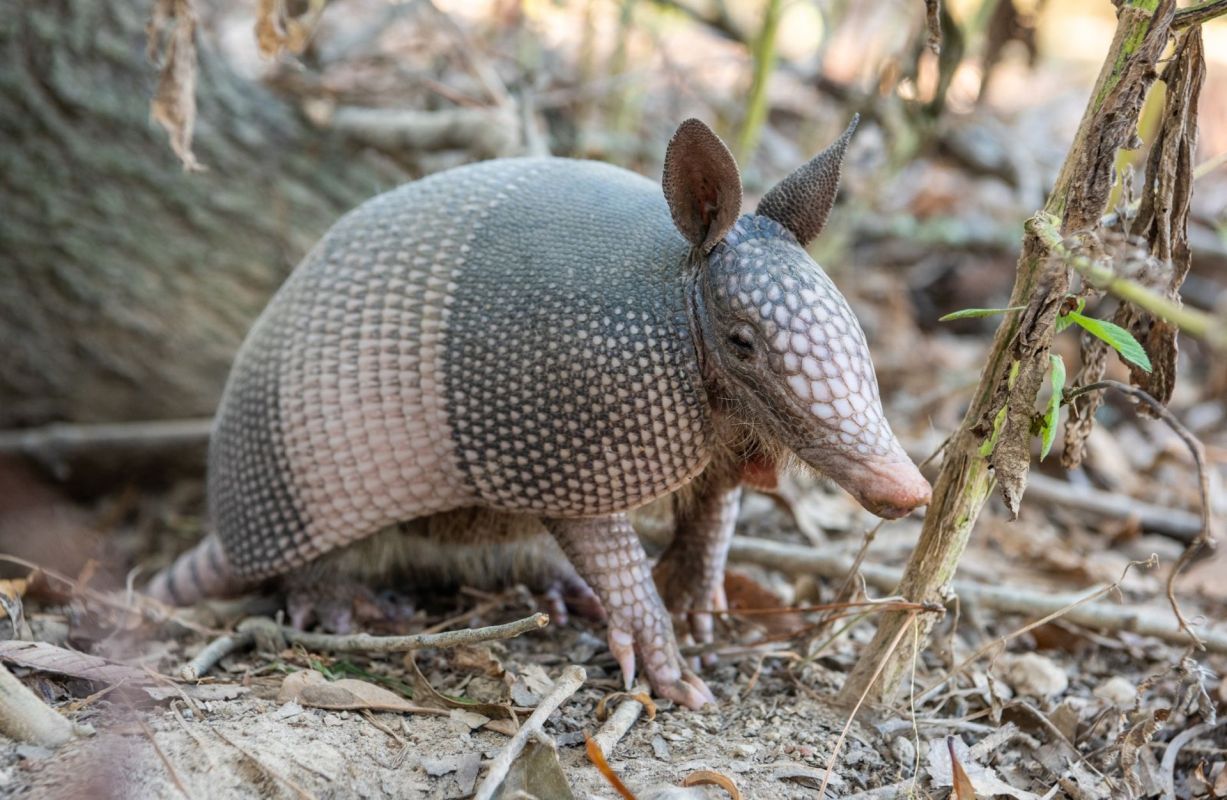
A federal study has indicated that armadillos are becoming established in parts of Indiana rather than appearing only as rare oddities. Their presence also seems to be spreading.
What's happening?
As WTHR reported, a U.S. Geological Survey study found that armadillos have been seen in Indiana, especially in Marion County and much of the southeast. It said their range is also extending north and west. The Wabash and White rivers may be serving as corridors for that spread.
The USGS estimated breeding populations may now exist in Marion County and nearby counties, even though some Indiana reports have been isolated sightings. Altogether, the state has documented 205 armadillo sightings since 2003.
Marion County residents may notice more small holes in lawns or gardens, since armadillos dig for insects and other food.
Why does it matter?
The immediate impact may be limited. Armadillos are generally shy and are not considered major threats to people. But their arrival reflects a shift in where wildlife species live and reproduce.
Scientists have long documented how warmer winters, habitat changes, roads, and development patterns can reshape animal ranges. When cold snaps become less severe, species that once struggled farther north can begin to gain a foothold.
TCD Picks » Quince Spotlight
💡These best-sellers from Quince deliver affordable, sustainable luxury for all




Armadillos are a visible example of how environmental change can show up in everyday life — in backyards, along roadsides, and near urban counties such as Marion.
As species shift into new areas, communities often have to adjust their expectations about which animals they might encounter nearby.
What's being done?
The USGS study helps wildlife officials understand where armadillos are already established and where they may spread next, which can inform future monitoring efforts and public guidance.
Breeding populations tell researchers much more than single sightings. They help distinguish a rare appearance from a lasting population change.
For Marion residents, it is important to stay aware, avoid approaching wildlife, and report unusual sightings to state wildlife agencies when appropriate. If armadillos begin showing up on private property, people can also reduce attractants such as insect-heavy areas and watch for digging damage.
Animals are changing migration routes and expanding into new territory as conditions change. Each case is different, but together they show how climate- and human-shaped landscapes are rewriting the map for wildlife.
Armadillos in the state may still seem surprising, but the range expansion is becoming harder to ignore.

Get TCD's free newsletters for easy tips, smart advice, and a chance to earn $5,000 toward home upgrades. To see more stories like this one, change your Google preferences here.







