


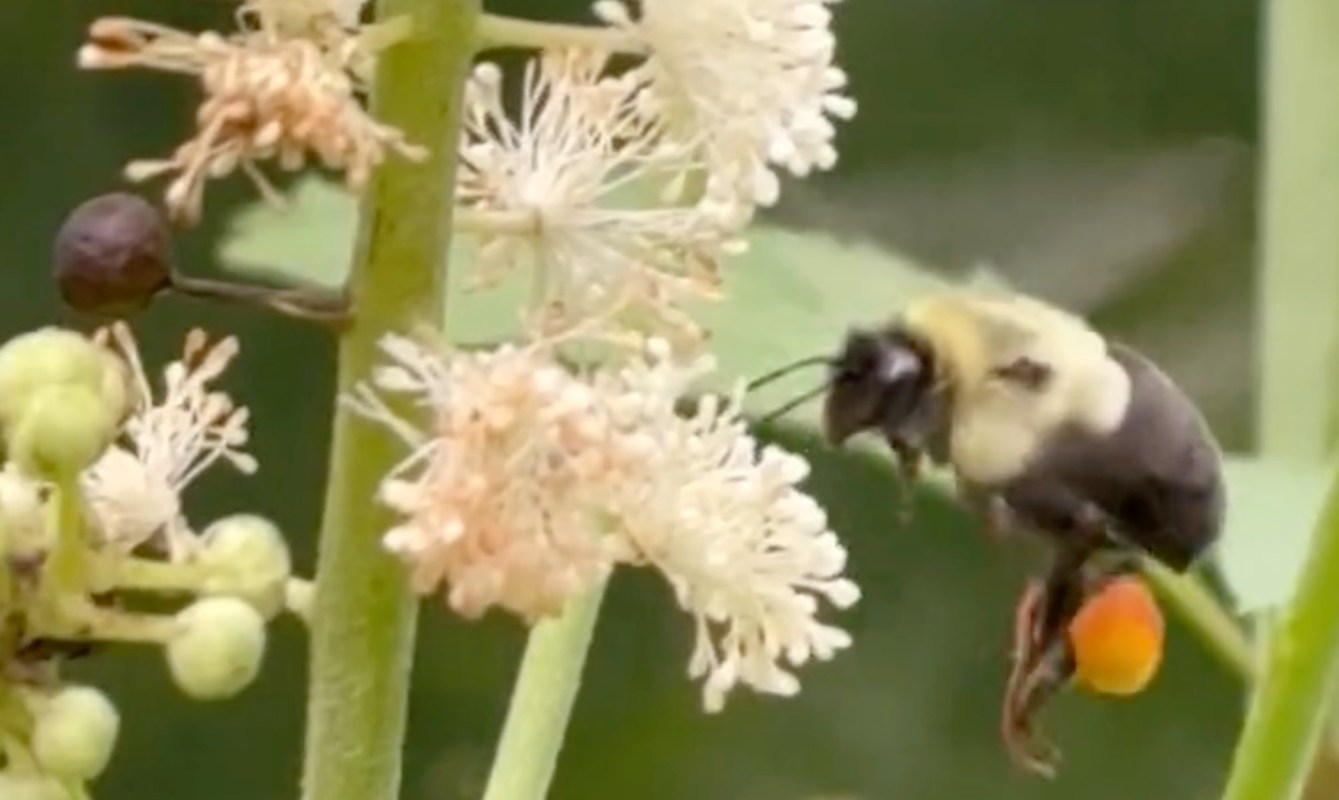
Black bugbane, or Actaea racemosa, is coming into bloom with bees already clustering around it. The fuzzy-looking native flower shows that pollinators do not need showy petals to home in on a food source.
What's happening?
Mt. Cuba Center (@mtcubacenter), a native-plant garden, recently highlighted black bugbane on Instagram with footage of the plant in bloom and crowded with bees.
In the post, the organization wrote, "The black bugbane (Actaea racemosa) is in full bloom and the bees aren't wasting any time!" and also noted an unusual detail about the flower's makeup.
Rather than petals, the bloom is made up of stamens, which is why Mt. Cuba Center described the flowers as "apetalous." That structure gives the plant the bottlebrush-like appearance seen in the post while still attracting pollinators.
Among the responses, one commenter wrote, "Mine is absolutely delighted by all of the rain we're getting here in Chicagoland!"
Why does it matter?
Native plants can support pollinators without requiring intensive upkeep. Bees depend on reliable food sources, and native species such as black bugbane can help provide them while fitting naturally into local landscapes.
TCD Picks » Quince Spotlight
💡These best-sellers from Quince deliver affordable, sustainable luxury for all




Replacing even part of a traditional lawn with native plants can reduce mowing, lower watering needs, and cut maintenance costs over time. Options such as clover, buffalo grass, xeriscaping, and mixed native-plant beds can all create lower-maintenance yards that save time and money while also supporting birds, bees, and butterflies.
Shrinking a thirsty grass lawn and adding more climate-appropriate plants can help lower water bills while reducing the need for fertilizer and extra yard work.
What can I do?
One practical step is to rethink how much conventional lawn you actually need. Swapping out sections for native plants, clover, buffalo grass, or a xeriscaped design can make a yard easier to manage and more resilient during dry spells or unpredictable weather.
Native-plant gardens can be especially helpful because they are adapted to local conditions and often require less watering and upkeep once established. Even a small border, pollinator patch, or shaded planting area can help create habitat while trimming maintenance demands.

Get TCD's free newsletters for easy tips, smart advice, and a chance to earn $5,000 toward home upgrades. To see more stories like this one, change your Google preferences here.







