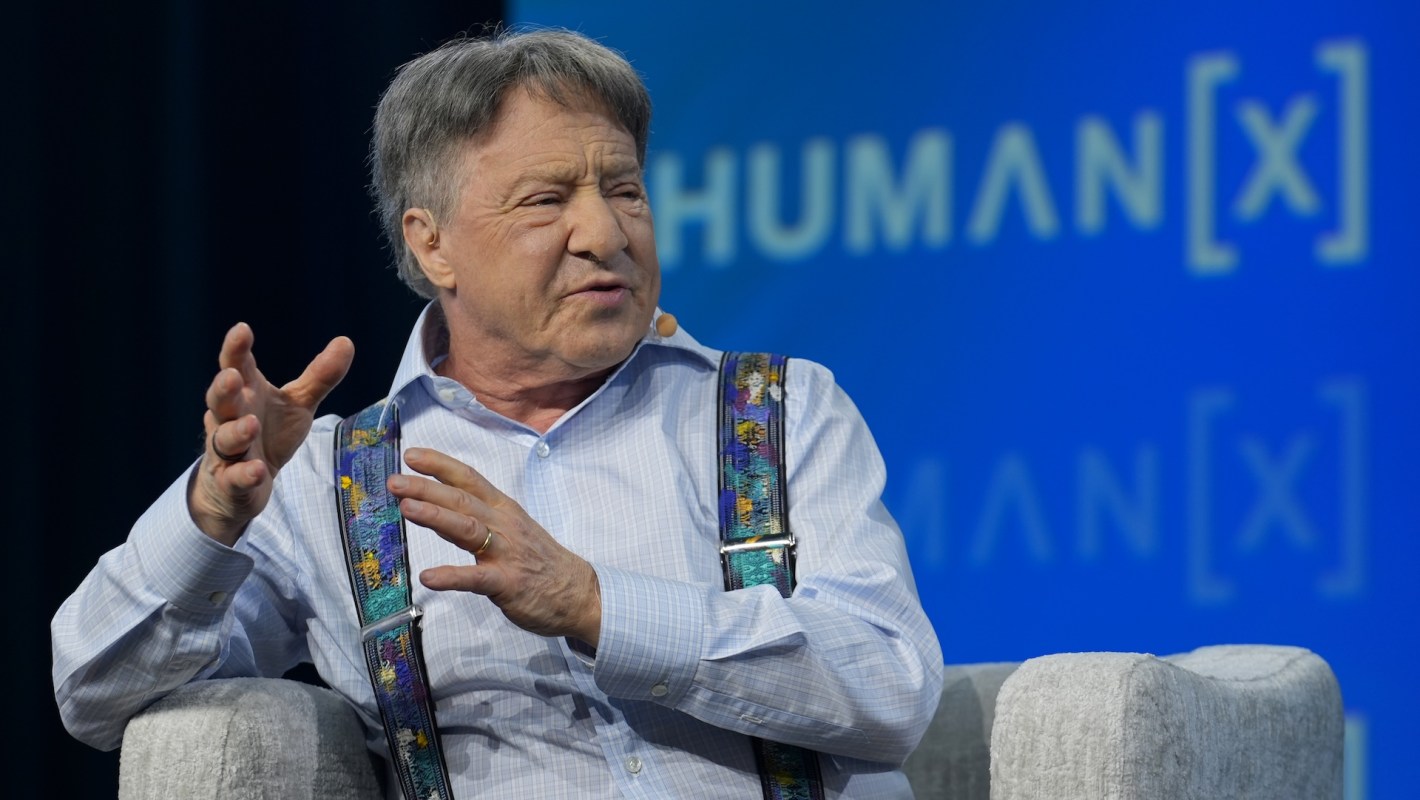
Futurist and inventor Ray Kurzweil, whose reputation rests on sweeping technology predictions, believes aging may soon stop looking like an irreversible decline.
In a striking new forecast, he says progress in artificial intelligence, computational medicine, and molecular biology could start reshaping the treatment of aging by about 2032.
Not everyone in the scientific community buys that timetable, and many researchers doubt a shift that large will happen that soon.
What's happening?
As Ynet News reported, Kurzweil thinks the pace of current research could carry humanity to "longevity escape velocity."
In practice, that would mean medicine improves enough to add about a year of healthy life for each year a person grows older.
That does not mean people would become immortal or stay young forever. Instead, Kurzweil suggests that "death from aging" may no longer be seen as an unavoidable outcome if medicine improves at slowing, preventing, or repairing the damage that accumulates over time.
TCD Picks » Quince Spotlight
💡These best-sellers from Quince deliver affordable, sustainable luxury for all




A major part of that idea is tied to AI's growing role in drug discovery. Rather than relying solely on slow, costly lab work, researchers can use computer models to scan huge numbers of molecules, test biological pathways, and identify promising treatments much faster than before.
Still, many experts hesitate about the early-2030s deadline. Scientists note, as Ynet News reported, that some of the most promising longevity research remains preliminary, spanning cell-based work, animal testing, and limited human studies.
Why does it matter?
Even if Kurzweil's timeline proves too optimistic, the shift he is describing could still shape daily life.
If AI helps researchers develop treatments faster, people could see better medicines for age-related diseases, more years of mobility and independence, and fewer prolonged periods of illness later in life.
That could also bring quality-of-life benefits for families. Extending health span — not just lifespan — could mean more time living well, working, traveling, and staying mentally sharp, rather than simply adding years marked by frailty.
Doubts persist partly because biology does not behave like software, and the anti-aging field has repeatedly produced big promises that failed to pan out.
Experts also point out that, as Ynet News noted, much of the historical increase in life expectancy came from public health measures such as vaccines, sanitation, and antibiotics, not miracle breakthroughs aimed at stopping aging itself.
The question is not only whether people can live longer, but also whether technology can help make those extra years healthier, easier, and more independent.
What's being done?
Researchers are already working on several pieces of the longevity puzzle.
Some teams are studying partial cellular reprogramming as a way to repair damage in aging cells. Others are developing drugs aimed at aging-related pathways, as Ynet News reported. AI is also increasingly being used to spot patterns and treatment targets that human researchers might otherwise miss.
Faster discovery could shorten the path to new treatments for conditions that become more common with age.
Breakthroughs in AI-assisted medicine are more likely to arrive first in treatments for age-related diseases, long before anyone truly "ends" aging itself.
For now, aging is increasingly being examined as something measurable that medicine may eventually be able to alter, though a miracle by 2032 remains unlikely.

Get TCD's free newsletters for easy tips, smart advice, and a chance to earn $5,000 toward home upgrades. To see more stories like this one, change your Google preferences here.