


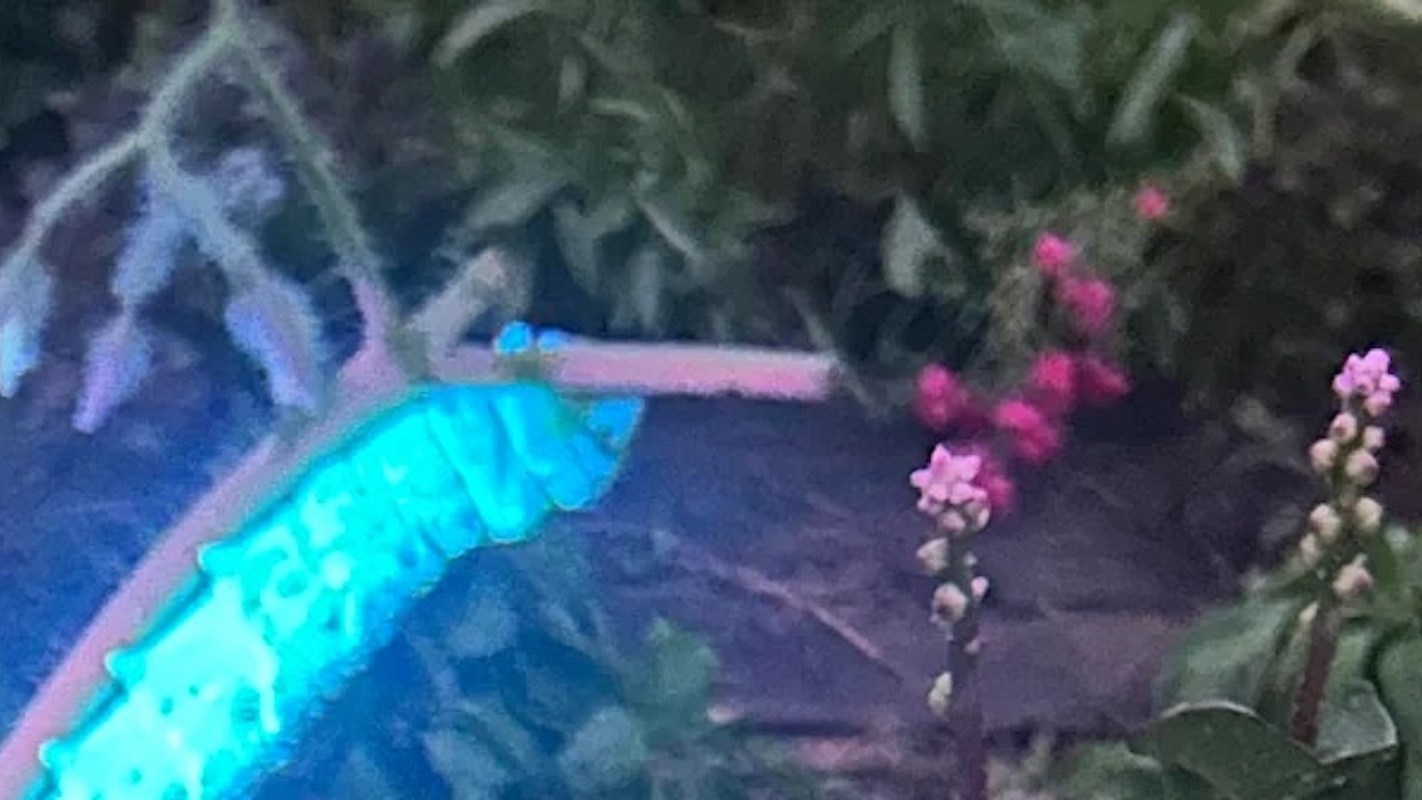
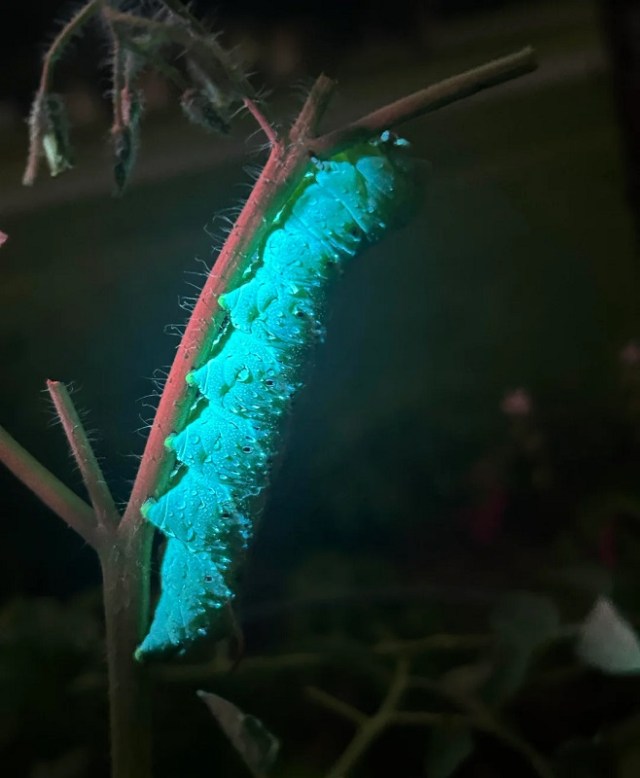
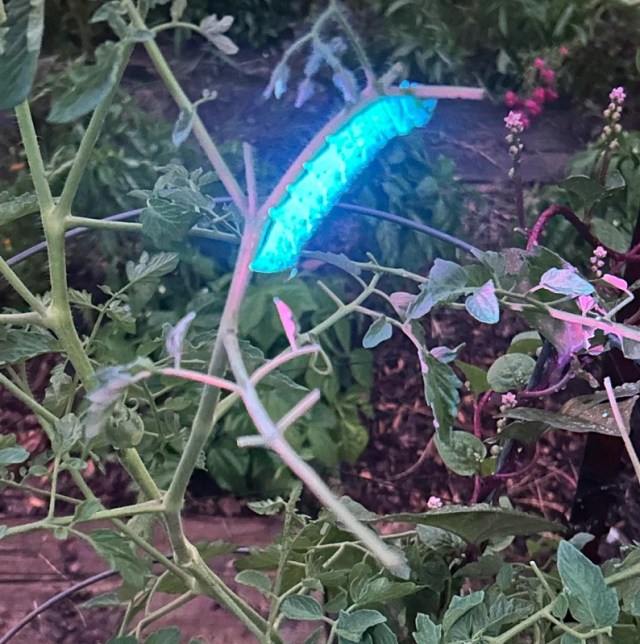
A nighttime garden check with a UV flashlight is becoming a gentler option for some U.S. gardeners dealing with tomato hornworms. Rather than killing the caterpillars that feed on tomato plants, they use the light to find the glowing pests and relocate them.
That gives people a way to defend backyard crops while still leaving space for native wildlife.
What's happening?
A recent discussion on Reddit spotlighted a simple, chemical-free way to handle tomato hornworms. The poster described it, saying, "Get a good UV light, head into the garden at night, clip branches and remove any unwanted visitors."
They also suggested moving the caterpillars somewhere they would not trouble other gardens: "You can bring them to a non threatening spot across the land or down the road where they wont bother anyone else's garden."
The thread has drawn nearly 200 comments, and many users weighed the choice between killing hornworms and relocating them. People who favored the less lethal approach noted that hornworms are native to the U.S. and later become large hawk moths.
As one commenter wrote, "They are native (in the US at least, I'm not sure about elsewhere) and ecologically valuable! Plus, I love the big moths they turn into, they are just super cool looking."
TCD Picks » Quince Spotlight
💡These best-sellers from Quince deliver affordable, sustainable luxury for all




Why does it matter?
For home gardeners, hornworms can be especially frustrating because the large caterpillars blend in well and can strip leaves quickly.
Non-chemical pest control can help gardeners protect pollinators and other beneficial insects while reducing unnecessary pesticide use around homes, pets, and children. It also fits with a broader shift toward more wildlife-friendly yards and gardens.
Growing your own food can help reduce grocery bills, provide fresher and better-tasting produce, and support both mental and physical health through outdoor activity and stress relief.
What can I do?
If hornworms are causing trouble in your garden, try checking plants after sunset with a UV flashlight, when the caterpillars are easier to see. As suggested in the post, gardeners can remove them by hand or trim off affected parts of the plant instead of spraying widely.
Gardeners interested in relocation may want to identify native host plants in their area first. In the Reddit thread, users mentioned black nightshade, ground cherries, and — in California — datura and coyote tobacco as possible options. What works best will vary based on your region and the plants that naturally grow nearby.
Gardeners looking for more low-impact strategies can also explore the TCD Guide pages on growing your own food and controlling pests without chemicals. Small steps such as hand-picking pests, planting extra, and encouraging biodiversity can help make a backyard harvest more resilient.
"Please accept my highest praise for being good to your environment and native critters!!! I love this. I love you," one commenter wrote. Another added: "My favorite moth, night pollinators and like nearly everything else, they are declining. I just plant extra for them."

Get TCD's free newsletters for easy tips, smart advice, and a chance to earn $5,000 toward home upgrades. To see more stories like this one, change your Google preferences here.






