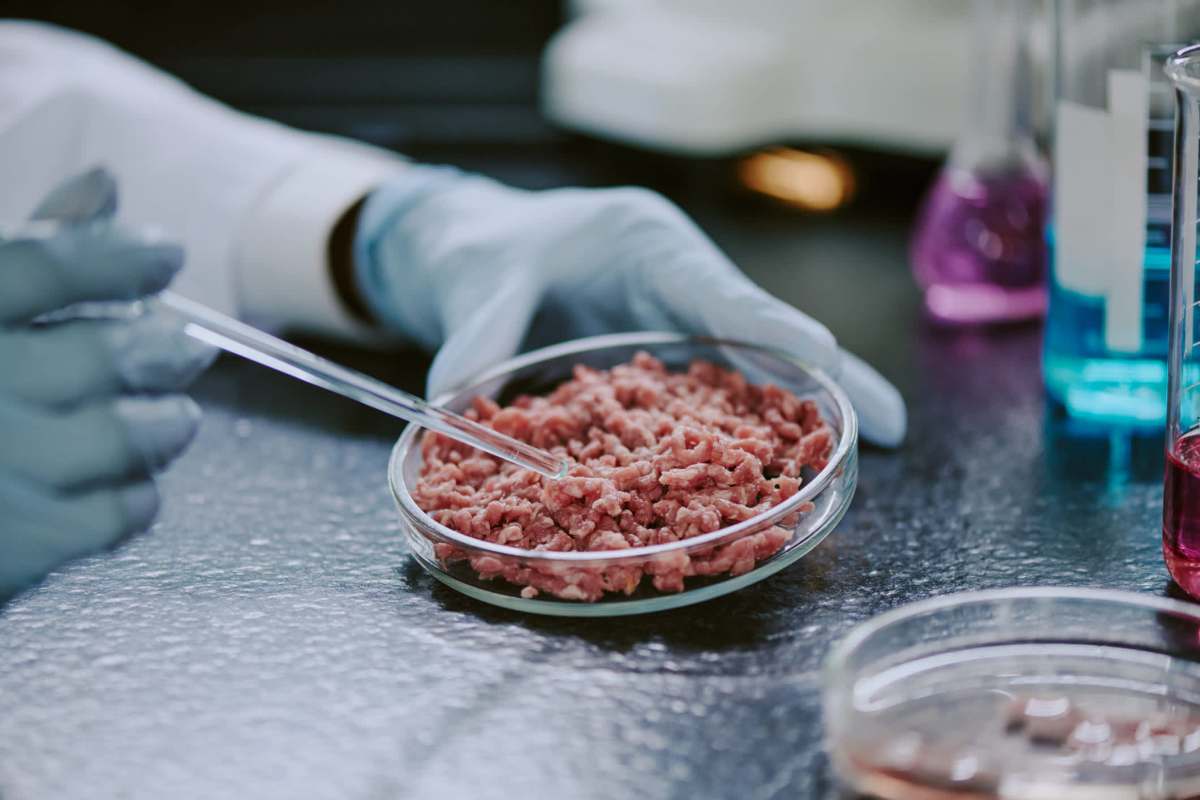
Federal regulators have opened the door to U.S. sales of cultivated chicken, a landmark moment for a technology designed to offer consumers another form of real meat.
Even with that approval, though, Louisiana shoppers may not be seeing these products in store cases anytime soon, according to KTAL.
What's happening?
The newly approved products come from animal cells rather than from animals raised and slaughtered in the usual way.
Scientists start with a tiny cell sample and, under controlled conditions, grow it until muscle tissue develops.
Federal reviewers have now signed off on the first cultivated chicken products. The FDA handles safety, while the USDA oversees processing, inspections, and labeling before commercial sales can move forward.
Even so, shoppers should not expect broad access soon, because production is still limited and the products are appearing mainly in a handful of restaurants or pilot offerings rather than in grocery stores.
TCD Picks » Quince Spotlight
💡These best-sellers from Quince deliver affordable, sustainable luxury for all




In Louisiana, state policy could prove to be the bigger barrier, with lawmakers considering measures that would restrict or ban the sale or production of cultivated meat despite federal approval.
Why does it matter?
Louisiana consumers are unlikely to feel much immediate impact, but the issue is drawing attention because the state's agricultural economy depends heavily on ranching, poultry, and meat processing. Any emerging protein category is therefore likely to receive especially close review.
Opponents say cultivated meat could compete with traditional farmers and ranchers and create confusion unless labeling is clear.
Backers argue that if production expands, it could give consumers another protein choice while reducing some of the effects associated with conventional livestock.
For now, the main questions in Louisiana are whether the products will be allowed to be sold, what the labels must say, and how much demand shoppers will actually show.
What's being done?
A federal route to market is already in place for cultivated meat, with oversight divided between the Food and Drug Administration and the U.S. Department of Agriculture.
The bigger unresolved decisions now sit with individual states as they determine how to handle the technology.
In Louisiana, that is expected to keep the debate going as officials balance possible economic harm to local agriculture against the appeal of food innovation.
For the moment, three issues remain unsettled in the state: whether sales will be allowed, what labeling standards will apply, and whether consumers will be willing to buy the products.

Get TCD's free newsletters for easy tips, smart advice, and a chance to earn $5,000 toward home upgrades. To see more stories like this one, change your Google preferences here.