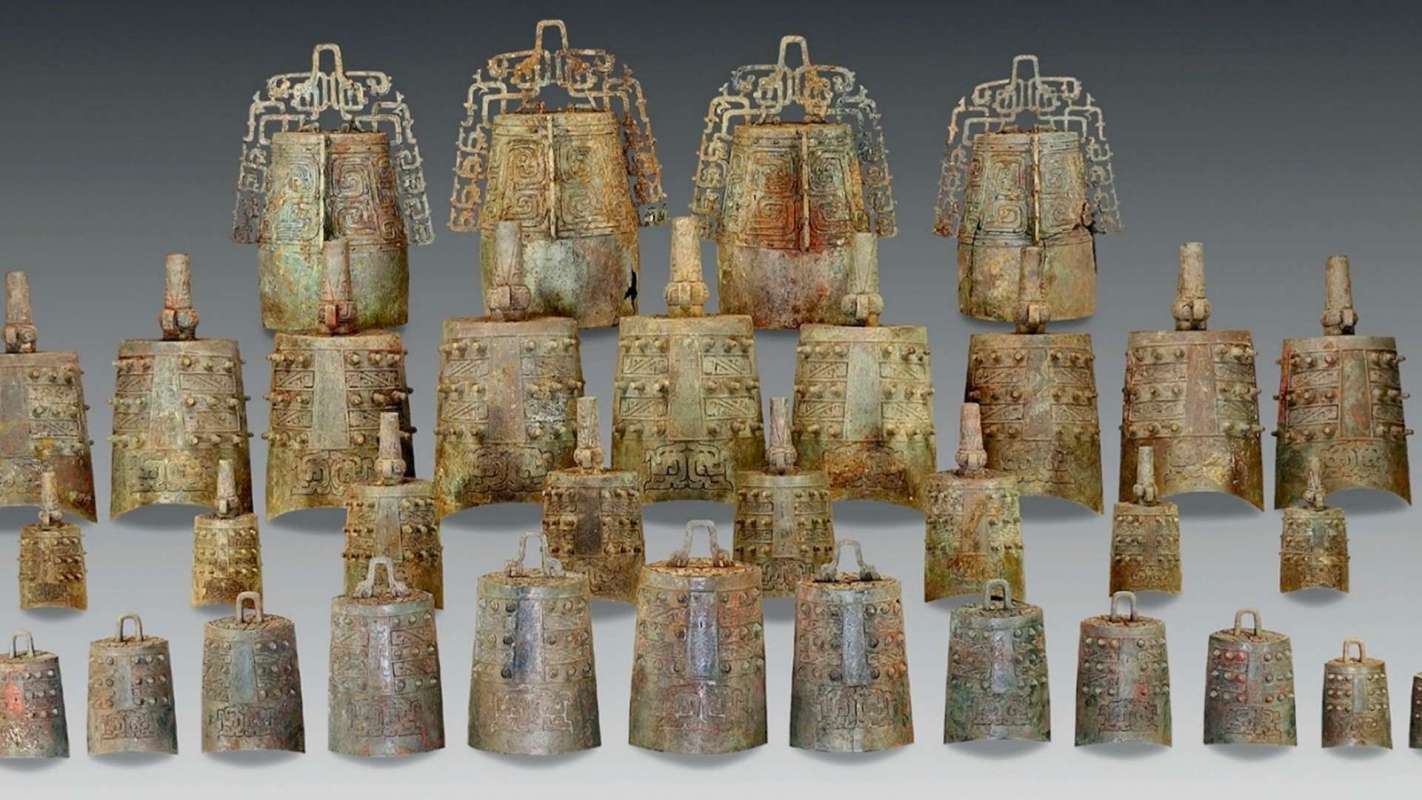
When archaeologists investigated the 2,600-year-old burial of Lord Qiu in China, they found his bronze bell set in disarray: the instruments, which Phys.org described as magnificent, were scattered, with their wooden hangings broken.
Researchers now think that the scene reflects a planned ritual act rather than simple damage, pointing to a decision to retire — or "deactivate" — objects that had been treated as spiritually potent.
What happened?
Lord Qiu ruled in the Zeng state during a time of intense competition among neighboring powers, and he had these bronze bells made for rituals intended to invoke ancestral protection against Chu around 656 or 625 B.C.
Sets like these were closely tied to ceremony, social status, and communication with the spirit world, and their placement inside a noble tomb would normally suggest honor and lasting significance in the afterlife.
Researchers said that the broken wooden hangings and displaced bells did not appear to be the result of an accident. Instead, they interpret the damage as an intentional act by Qiu's family to retire the objects once they no longer served their spiritual role.
By the time Qiu died, Zeng and Chu had already made peace. In that setting, a bell set meant to call on ancestral help in times of conflict may have seemed out of place.
TCD Picks » EDF Spotlight
💡EDF's Vital Signs newsletter delivers stories about game-changing solutions close to home and around the world




Why does it matter?
Findings like this suggest that ancient people were not simply burying treasured possessions with the dead. They were making careful decisions about what those objects represented and whether their power should continue.
That gives archaeologists a more nuanced view of how politics, religion, and family life overlapped in early Chinese society. Peace may have changed the spiritual tools a ruling family considered appropriate.
It also shows how fragile historical interpretation can be. Broken artifacts can initially seem to result from damage or theft, but context can reveal something much more intentional — in this case, perhaps a ritual response to shifting political conditions.
What's being done?
Archaeologists are continuing to study burial sites like Lord Qiu's to better understand how ritual objects were used, repurposed, or intentionally disabled.
Research like this also strengthens efforts to preserve cultural heritage. When a tomb is documented in detail, even damaged or displaced artifacts can yield major insights into belief systems and decision-making in the ancient world.

Get TCD's free newsletters for easy tips, smart advice, and a chance to earn $5,000 toward home upgrades. To see more stories like this one, change your Google preferences here.