


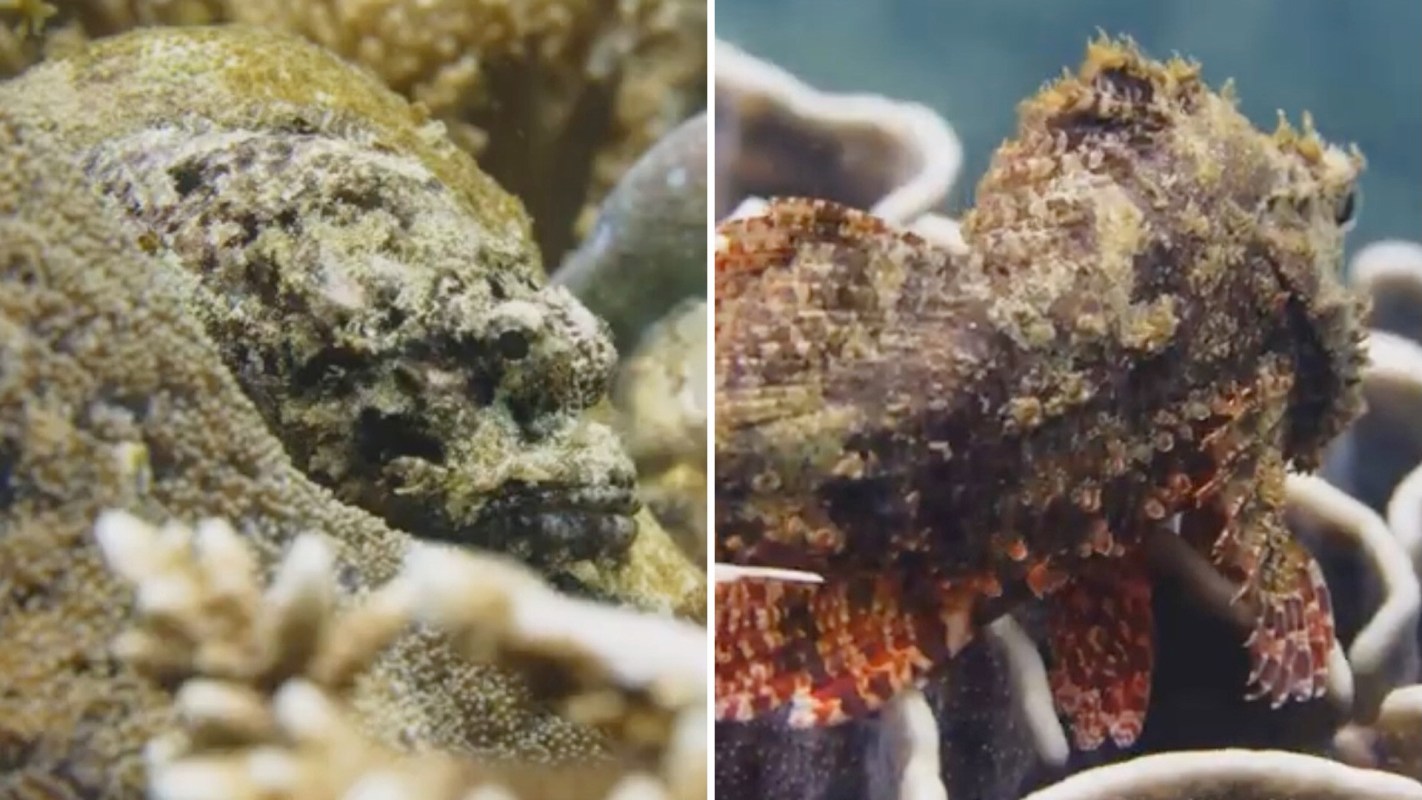
A scorpionfish can sit in plain sight and still be nearly impossible to spot.
Blending into its surroundings with eerie precision, the venomous reef predator waits motionless until an unsuspecting meal drifts too close.
What's happening?
Mossy Earth Field Notes (@MossyEarth-FieldNotes), a rewilding and habitat-restoration organization, uses a short underwater explainer to spotlight the scorpionfish.
Through original reef footage and field-based science communication, the video shows how this species survives by vanishing into its surroundings and then striking with little warning, while giving viewers a rare and accessible look at an animal many ocean lovers might miss even when it is directly in front of them.
The scorpionfish relies on both venom and camouflage, a combination that makes it a powerful ambush predator on the reef.
The feature also places the fish within Mossy Earth Field Notes' wider marine and coastal restoration efforts, highlighting how habitat recovery can rebuild ecosystems and support biodiversity.
TCD Picks » Quince Spotlight
💡These best-sellers from Quince deliver affordable, sustainable luxury for all




Why does it matter?
A fish like the scorpionfish can be easy to overlook, but its existence says a great deal about the health and complexity of reef ecosystems.
Predators play an important role in keeping food webs balanced, and species that depend on intact habitat are reminders of how much life reefs can support when they are functioning well.
Healthy marine ecosystems can support fishing communities, protect coastlines, and sustain tourism economies.
When reefs decline because of warming waters, pollution, and habitat destruction, the damage does not stop with wildlife — it also affects livelihoods and local resilience.
Conservation coverage often focuses on more charismatic species such as dolphins or sea turtles, but lesser-known animals are part of the same web of life.
What's being done?
Mossy Earth Field Notes combines restoration work with storytelling from the field. By filming marine life while habitat recovery is underway, the organization helps audiences understand why coastal and underwater restoration projects matter beyond broad climate or biodiversity goals.
The approach links ecosystem health to community well-being. Restoring coastal habitats can improve conditions for marine species while also benefiting people through stronger shorelines, healthier fisheries, and more resilient local economies.

Get TCD's free newsletters for easy tips, smart advice, and a chance to earn $5,000 toward home upgrades. To see more stories like this one, change your Google preferences here.







