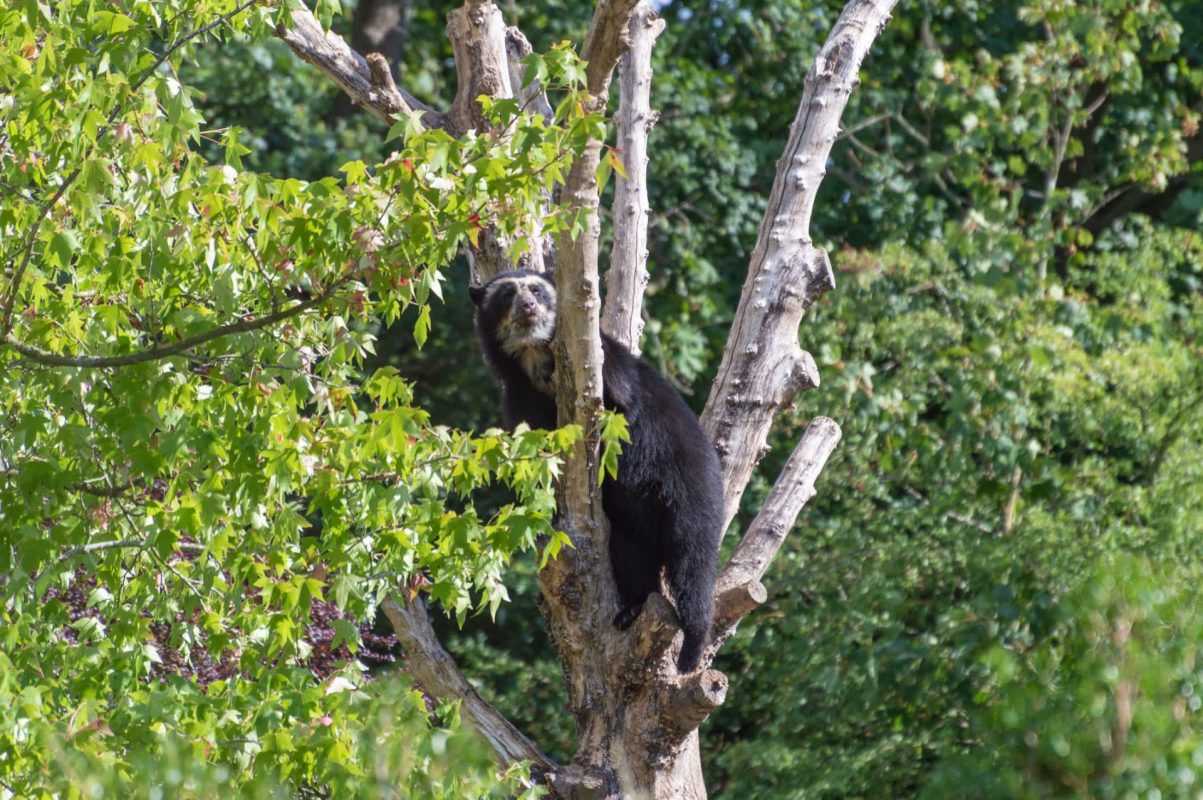
In Ecuador, a wildlife photographer captured an unusual glimpse of a spectacled bear, with the animal only partly visible behind dense foliage.
What happened?
The photo was shared on Reddit's r/wildlifephotography, where the bear appears mostly obscured by surrounding greenery. The photographer said the pictures (click here if the embed below does not appear) were taken in Ecuador's Cayambe-Coca National Park.
Replying in the comments, the photographer said the spectacled bears are often seen in the area's cloud forest, although they can also be spotted in the "high páramos."
Spectacled bears, also called Andean bears, are known for the light markings around their eyes and faces that can resemble glasses.
Why does it matter?
Photos like this can do more than inspire a moment of awe online. They can also bring attention to species that are less famous than many other wild animals, even when those species face growing pressure on their habitats.
The only native bear species in South America, spectacled bears rely on sensitive mountain environments such as cloud forests and páramos. Those ecosystems help regulate water supplies, store planet-warming pollution, and support a wide variety of plants and animals.
TCD Picks » Quince Spotlight
💡These best-sellers from Quince deliver affordable, sustainable luxury for all




When deforestation, development, or climate-related changes damage these habitats, the consequences are widespread. The effects can impact local communities, regional biodiversity, and the natural systems people depend on every day.
A single image can make an elusive animal feel concrete, giving people something visible to connect with when conservation issues might otherwise seem distant.
What's being done?
Protected areas such as Cayambe-Coca National Park are one important line of defense for species like the spectacled bear. National parks and reserves can help preserve the forests and high-elevation habitats these animals need to survive.
Researchers and conservation groups also monitor bear populations, study movement patterns, and work to reduce conflict between wildlife and nearby communities. Efforts to protect connected habitat are especially important for wide-ranging animals that do not stay within one small patch of forest.

Get TCD's free newsletters for easy tips, smart advice, and a chance to earn $5,000 toward home upgrades. To see more stories like this one, change your Google preferences here.