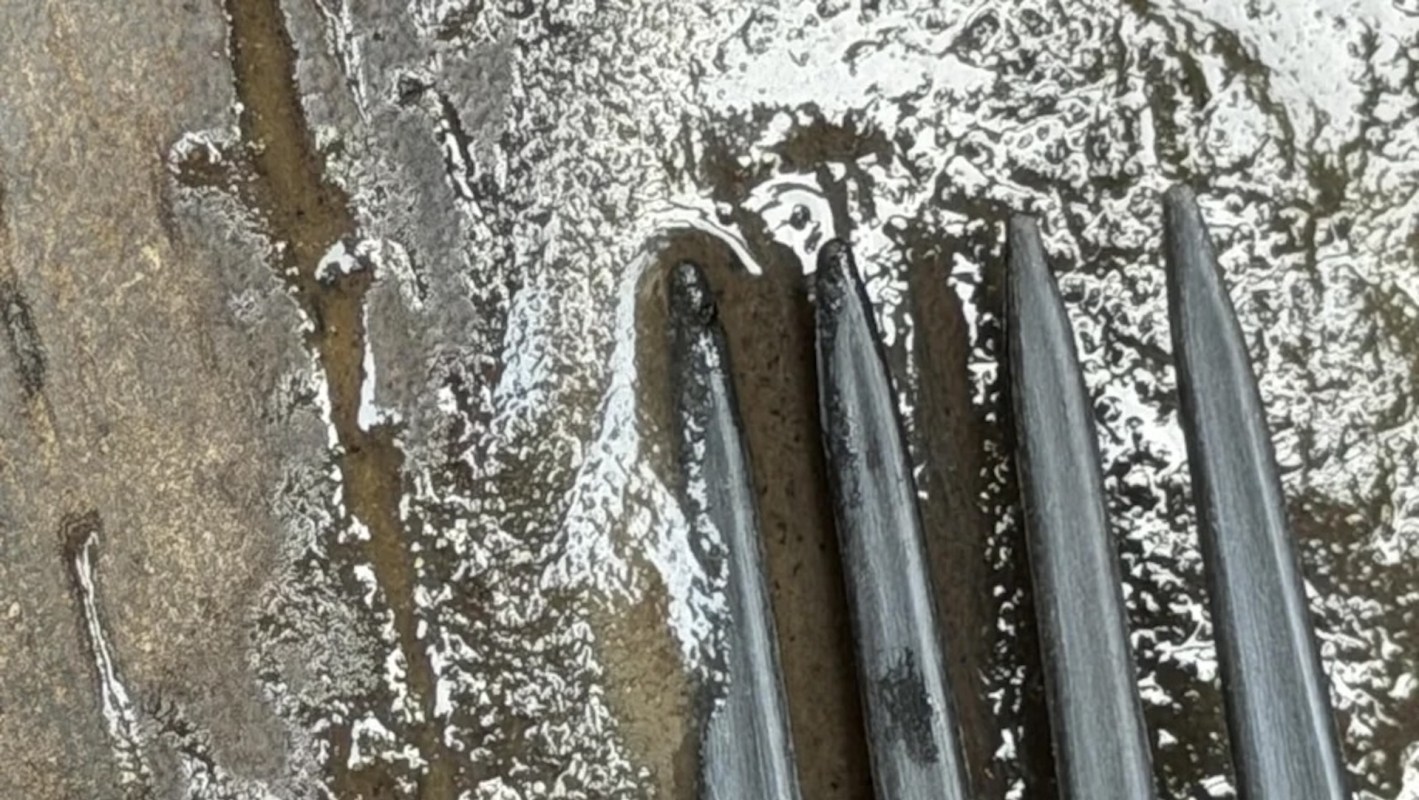
What should have been a quick compost check turned into a mystery after the novice composter noticed what they described as a "living pool of liquid."
What happened?
The surprise showed up in a recent Reddit post on the r/composting forum. The poster explained that after liquid had drained through holes near the bottom of the bin, it left behind a pool of tiny creatures.
The OP asked, "What's wriggling in my leachate?"
(Click here to view footage if embed does not appear.)
Immediately, commenters jumped into the thread to guess what the pool was. Most replies identified the wrigglers as mosquito larvae, though nematodes, springtails, and microworms were also suggested.
The thread also highlighted a common composting issue: A bin that is too wet or does not drain well can leave stagnant pockets of water, especially after high-moisture food scraps are added.
TCD Picks » Quince Spotlight
💡These best-sellers from Quince deliver affordable, sustainable luxury for all




Commenters then expanded the conversation to the challenge of avoiding pests without harming useful insects, with invasive jumping worms and firefly decline both coming up.
Why does it matter?
If the commenters got the ID right, the main concern is not really the compost pile itself but the possibility of creating a mosquito nursery by accident.
Mosquitoes can reproduce in very small amounts of still water, so leachate that pools under a bin or collects inside it can be enough.
In other words, a fixable compost-bin issue can become a backyard nuisance if it is ignored. Improving drainage, mixing wet scraps with dry "browns," and keeping liquid from going stagnant can help the pile stay in good shape without attracting pests.
What can I do?
If you compost at home, start with one simple step: Look for pooling liquid. If your bin is generating a lot of leachate, mix in more dry material such as leaves, cardboard, or shredded paper, and make sure the liquid is not sitting in a still puddle.
And if mosquito larvae do show up, many gardeners use mosquito dunks to target them in standing water without broadly spraying harsher chemicals.

Get TCD's free newsletters for easy tips, smart advice, and a chance to earn $5,000 toward home upgrades. To see more stories like this one, change your Google preferences here.