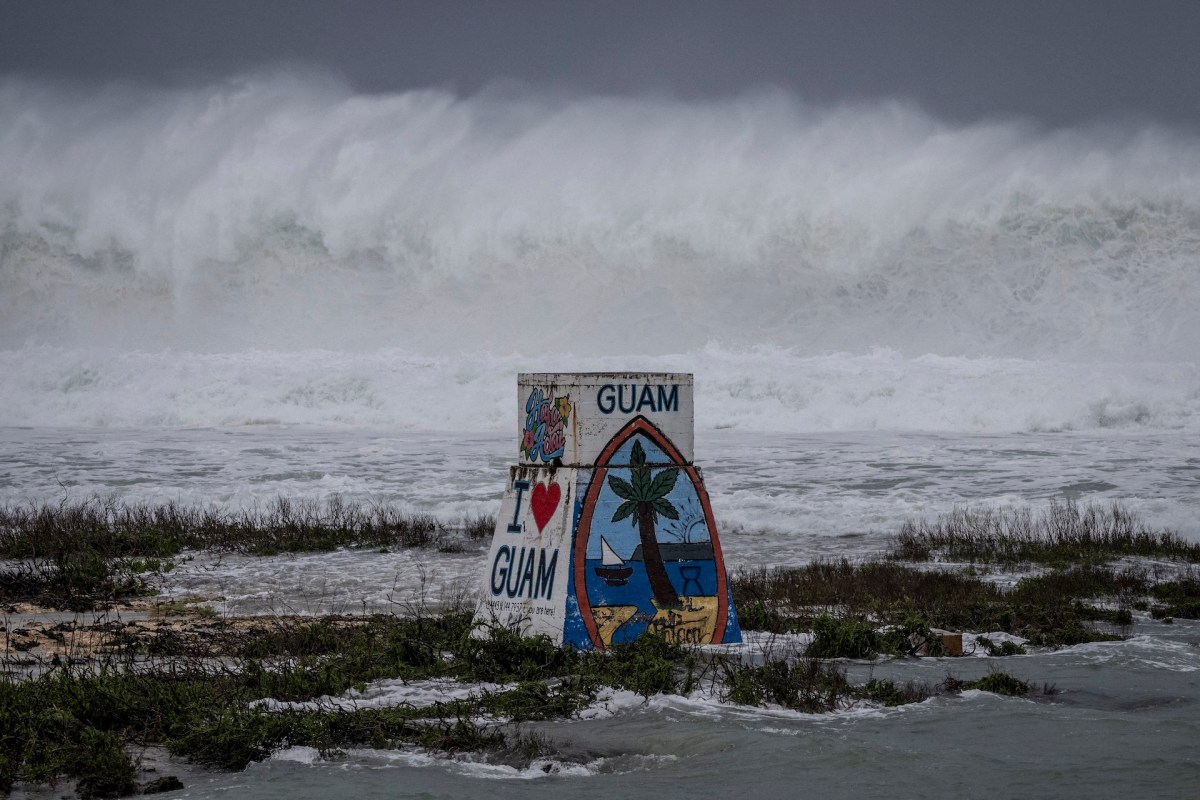
After knocking out power across Guam, super typhoon Bavi is continuing west toward Taiwan and mainland China. While the storm is expected to weaken, it will still have the potential to bring destructive winds and flooding to major population centers.
What happened?
According to Fox Weather, Bavi hit Guam and the Northern Mariana Islands on Monday. Winds were near 180 miles per hour at the time, and Guam experienced widespread power outages.
The storm system has maintained much of its strength with winds over 150 mph because it is moving through warm ocean water. That warm water acts like fuel for tropical cyclones, meaning they maintain their intensity longer than they otherwise might.
Bavi is projected to make landfall in Taiwan on Saturday, and even with gradual weakening expected in the cooler Philippine Sea, forecasters predict Bavi will reach mainland China as a Category 2 hurricane with wind speeds over 100 mph.
Northern Taiwan and parts of China could face heavy rain, flash flooding, powerful storm surges, and possible landslides.
Why does it matter?
Worsening extreme weather can injure or kill people directly, and it also threatens public health by contaminating water, disrupting hospitals and pharmacies, and increasing mold exposure after flooding.
TCD Picks » Quince Spotlight
💡These best-sellers from Quince deliver affordable, sustainable luxury for all




When homes, crops, ports, and local infrastructure are damaged or destroyed, storms also undermine economic stability.
The danger is not limited to beachfront areas. Inland flooding, landslides, and prolonged utility disruptions can spread the impact far beyond the coastline, upending daily life.
The region has already seen how costly these storms can be. Earlier this year, super typhoon Sinlaku caused more than $1.5 billion in damage across Saipan and Tinian, per Fox Weather.
What's being done?
The Guam Power Authority reported that crews are working around the clock to restore power lines and to provide generators for water wells and wastewater services.
"We thank you for your patience and ask for your continued support and cooperation as restoration efforts continue," the agency wrote on Facebook.
In the meantime, people in flood- or landslide-prone areas should pay attention to local alerts. Residents should also avoid driving through flooded roads.
For Guam, Taiwan, and coastal China, the next few days will be a test of preparation and resilience. Even with some weakening expected, Bavi remains a dangerous storm capable of bringing destructive winds and flooding.

Get TCD's free newsletters for easy tips, smart advice, and a chance to earn $5,000 toward home upgrades. To see more stories like this one, change your Google preferences here.