


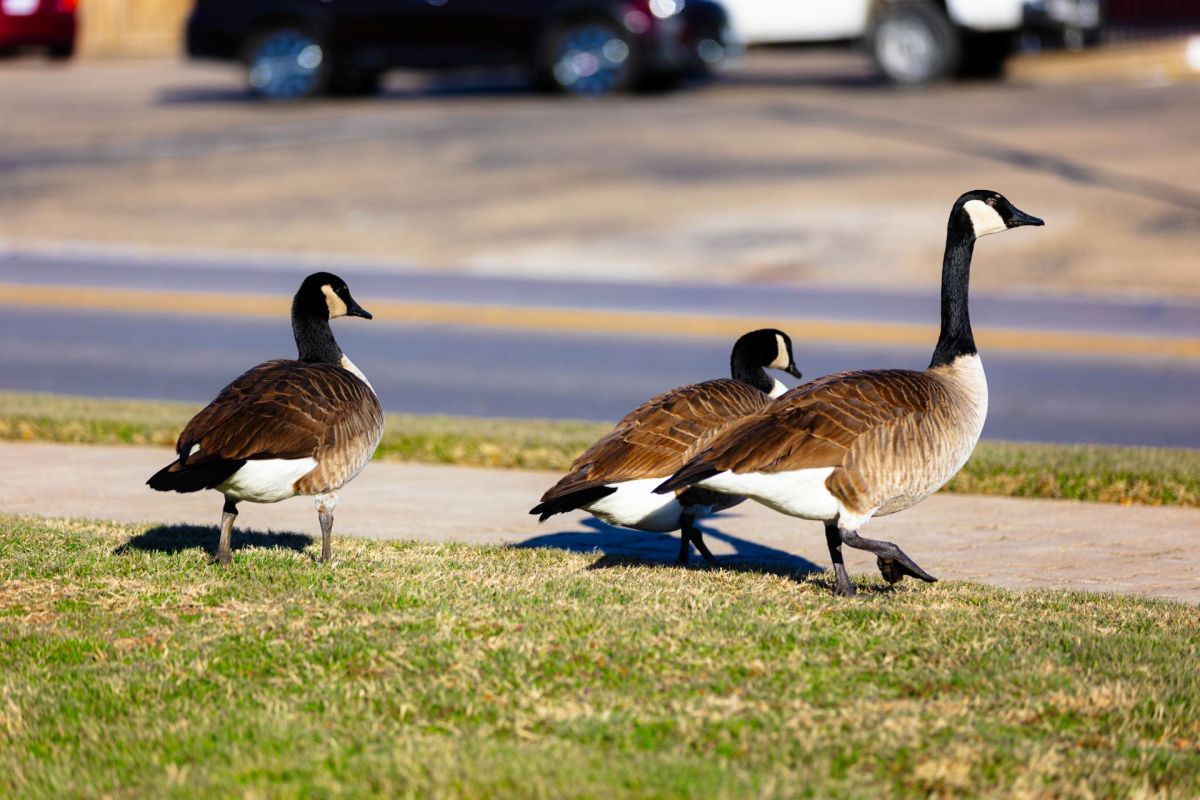
A neighborhood in Madison, Alabama, is drawing national attention after a planned cull killed 550 geese in a single night.
What happened?
WAFF 48 reported that the Heritage Plantation homeowners association said the USDA carried out the cull during a night operation after determining the goose population had climbed to roughly five times the agency's recommended level. The HOA said 550 geese were removed and euthanized.
According to the HOA board, nine USDA agents took part in the cull, and about seven geese escaped capture by flying off before they could be caught. Board members said no ducks or swans were included in the operation.
WKYT added that the board had already pursued nonlethal methods before seeking approval for the cull. The situation had become a health concern, the board said, citing illnesses among people and the deaths of dogs, swans, and 16 geese over the past year, which it attributed to avian flu carried by the birds.
The board said the operation's exact timing was not publicly shared beforehand because USDA agents had been threatened with violence. It also said HOA members had received death threats, leading to investigations by the FBI and the Madison Police Department.
Why does it matter?
Across the country, HOAs have faced criticism for blocking homeowners from making money-saving and eco-friendly updates, such as installing rooftop solar panels and growing native plant lawns.
TCD Picks » Quince Spotlight
💡These best-sellers from Quince deliver affordable, sustainable luxury for all




But in this case, the association had to make a hard decision to remove the overpopulation of geese from the area.
Large concentrations of geese can create serious problems for neighborhoods, from fouled walkways and ponds to water contamination and heightened disease concerns.
What's being done?
To avoid a repeat population boom, the board said the USDA recommended stricter enforcement of no-feeding rules, continued egg oiling to slow population growth, and efforts to drive geese away so they do not stay on the property, according to WAFF.
Human feeding can make geese more likely to linger in one place, worsening overcrowding and the sanitation problems that come with it.
Humane prevention plans can include habitat changes, regular wildlife monitoring, clear communication with residents, and transparent explanations of why certain management steps are under consideration.
The board said earlier prevention in Heritage Plantation might have helped avoid such an extreme measure. WKYT said that wildlife biologists described it as the "largest cull they had ever participated in" and said they "were 'shocked' that residents had been living with the number of geese for so long."

Get TCD's free newsletters for easy tips, smart advice, and a chance to earn $5,000 toward home upgrades. To see more stories like this one, change your Google preferences here.







