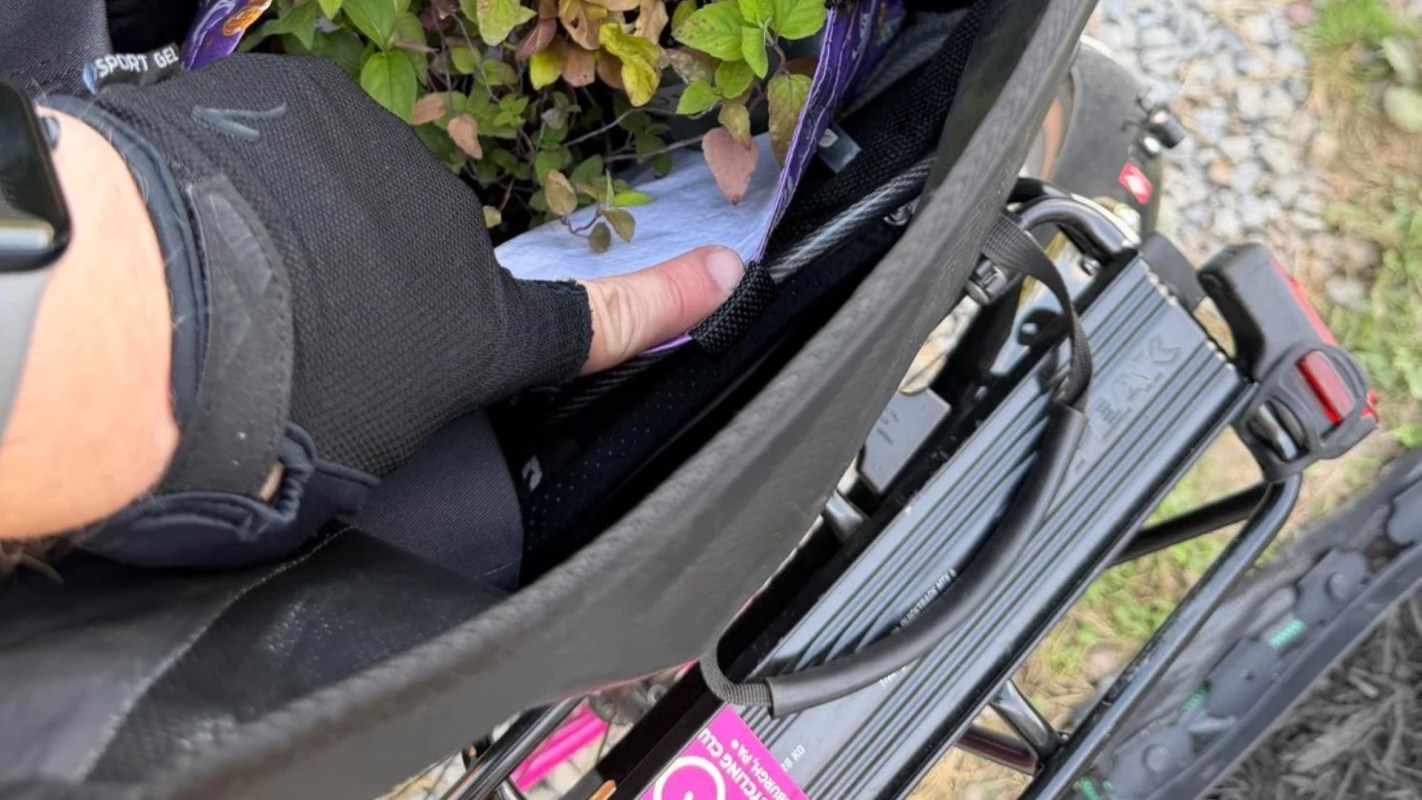
An unexpected front-yard plant stand turned one bike ride into a memorable gardening find, with hardy native species available for $2 donations.
What happened?
On Reddit, the rider recounted the stop in a post to r/NativePlantGardening.
After pulling over at a neighbor's yard sale-style setup, the original poster said they came across native plants such as wild bergamot, sneezeweed, and mountain mint.
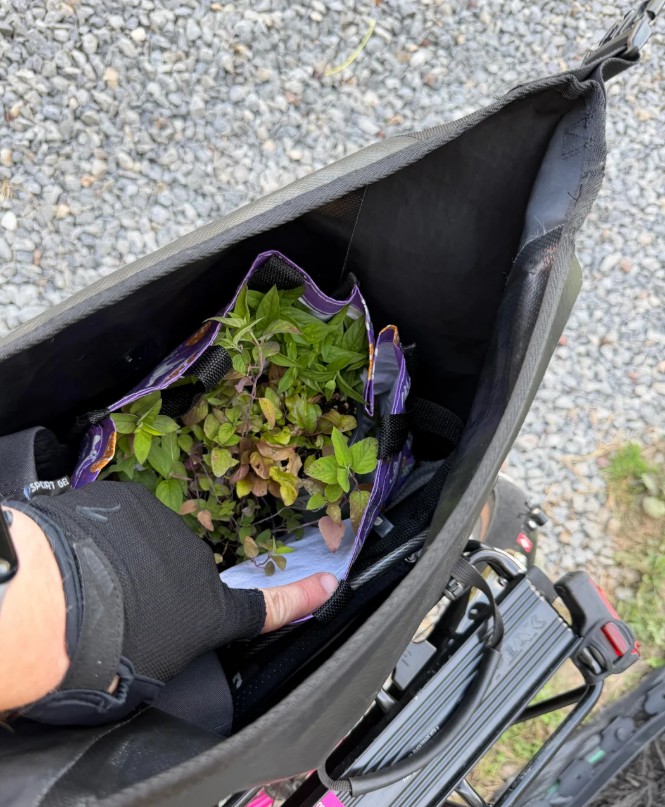
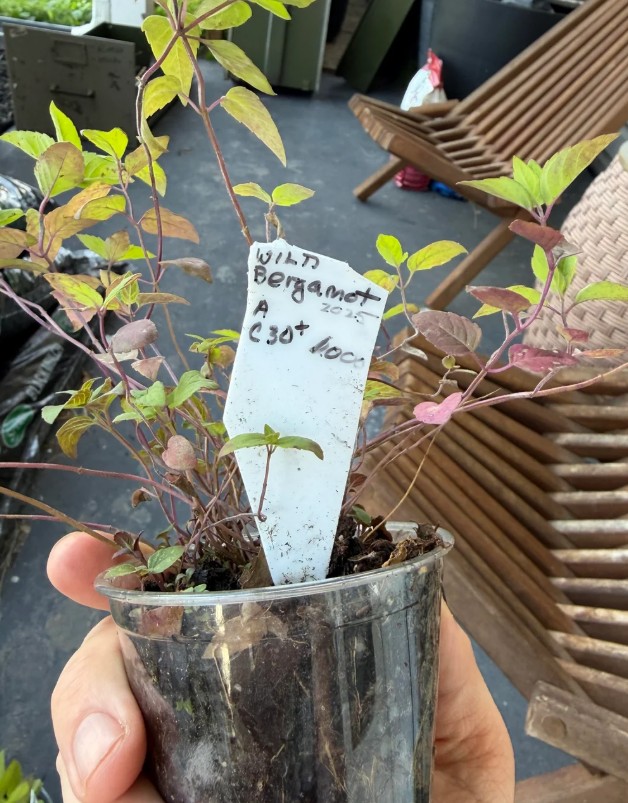
Rather than a formal retail setup, the stand appeared to be a casual, low-cost neighborhood offering, with plants available in exchange for a $2 donation.
"I'm coming back with a $20," OP wrote.
One commenter wrote, "I love that!" And another added, "Score! That's awesome!"
TCD Picks » Quince Spotlight
💡These best-sellers from Quince deliver affordable, sustainable luxury for all




Local gardeners can make native landscaping feel more accessible, especially for people who may not want to spend heavily on a full yard makeover all at once.
Why does it matter?
Because native plants are adapted to local conditions, many need less water, less fertilizer, and less upkeep than conventional grass lawns or nonnative ornamentals. That can mean lower water bills and less time spent mowing and maintaining a thirsty yard.
A native-plant lawn, or even a partial lawn replacement, can also support pollinators such as bees and butterflies while making outdoor spaces more resilient during dry periods.
For homeowners who are not ready to replace an entire lawn, swapping out just a strip, border, slope, or hard-to-water area can still deliver meaningful savings and ecological benefits.
Other low-maintenance lawn alternatives can offer similar advantages as well, depending on climate and how a yard is used. Clover, buffalo grass, and xeriscaping are all popular options for reducing upkeep and cutting water use.
What can I do?
Starting small can help. A few native plants in a corner bed, along a fence line, or around a mailbox can be a manageable first step that lowers maintenance without requiring a complete redesign.
Neighborhood plant swaps, community groups, local native plant sales, and informal micro-nurseries like the one in this post can be among the most affordable ways to build out a yard with regionally appropriate plants.

Get TCD's free newsletters for easy tips, smart advice, and a chance to earn $5,000 toward home upgrades. To see more stories like this one, change your Google preferences here.