


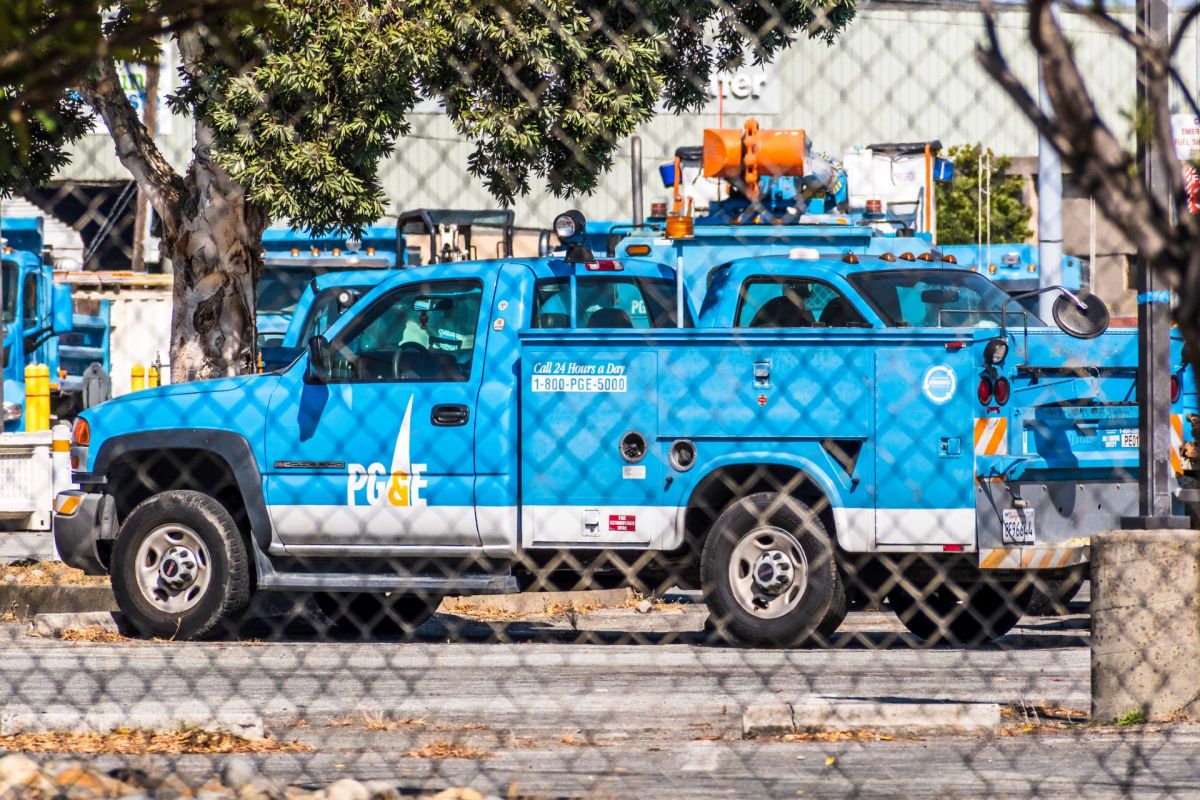
A utility scam aimed at Pacific Gas and Electric Company customers is circulating in California.
Scammers call customers to tell them a shutoff is imminent, and people are then directed to make an immediate payment using a barcode or QR code. PG&E said customers have lost more than $211,000 to the scheme so far this year.
What's happening?
The payment step happens at a retailer, according to The Press Democrat. After a caller warns that utility service is about to be disconnected, the customer receives a barcode or QR code and is told to have it scanned by a cashier at a store.
Some 144 customers in Sonoma County and 21 in Napa County have reported being targeted so far in 2026.
Among North Coast counties, Sonoma ranks second in reported scam victims.
Nearly 24,000 customers across PG&E's service area reported scams in 2025, with average fraudulent payments of $590.
TCD Picks » Quince Spotlight
💡These best-sellers from Quince deliver affordable, sustainable luxury for all




In the first six months of 2026, the average loss reported by scammed customers rose to $969, and total losses appear likely to exceed last year's.
PG&E serves 16 million people in Northern and Central California.
Why does it matter?
The scam depends on urgency. Many people who hear that their electricity or gas could be shut off may feel pressured to act right away, especially during periods of extreme heat or cold.
PG&E spokesperson Jason King said a payment made this way may draw less scrutiny than one sent through apps like Zelle or Venmo because the cashier scanning the code may not realize a scam is in progress.
What can I do?
PG&E advises customers to treat demands for immediate payment or insistence on a specific payment method as warning signs.
The company said other red flags include shutoff threats, requests to see a bill, pressure to pay with a prepaid debit card or money transfer service, and unexpected rebate or refund offers.
For legitimate delinquent accounts, PG&E said customers generally receive advance shutoff notices, usually by mail.
The company also said its representatives do not ask to view your bill, and customers should never buy a prepaid card to avoid disconnection.
If a call seems suspicious, PG&E said customers can verify it by calling 800-743-5000.
The utility also recommended calling 1-833-500-SCAM to report fraudulent calls.
People who believe they have already been targeted should contact local law enforcement and call 911 if they feel physically unsafe.

Get TCD's free newsletters for easy tips, smart advice, and a chance to earn $5,000 toward home upgrades. To see more stories like this one, change your Google preferences here.






