


Supporters of a proposed data center in Marana, Arizona, say it would use less water than the farmland currently on the property, but opponents argue that comparison is too limited.
Critics say the missing piece is the power system behind the project: A "closed-loop" facility may reduce water use at the site itself, while still relying on electricity that can require substantial water elsewhere.
What's happening?
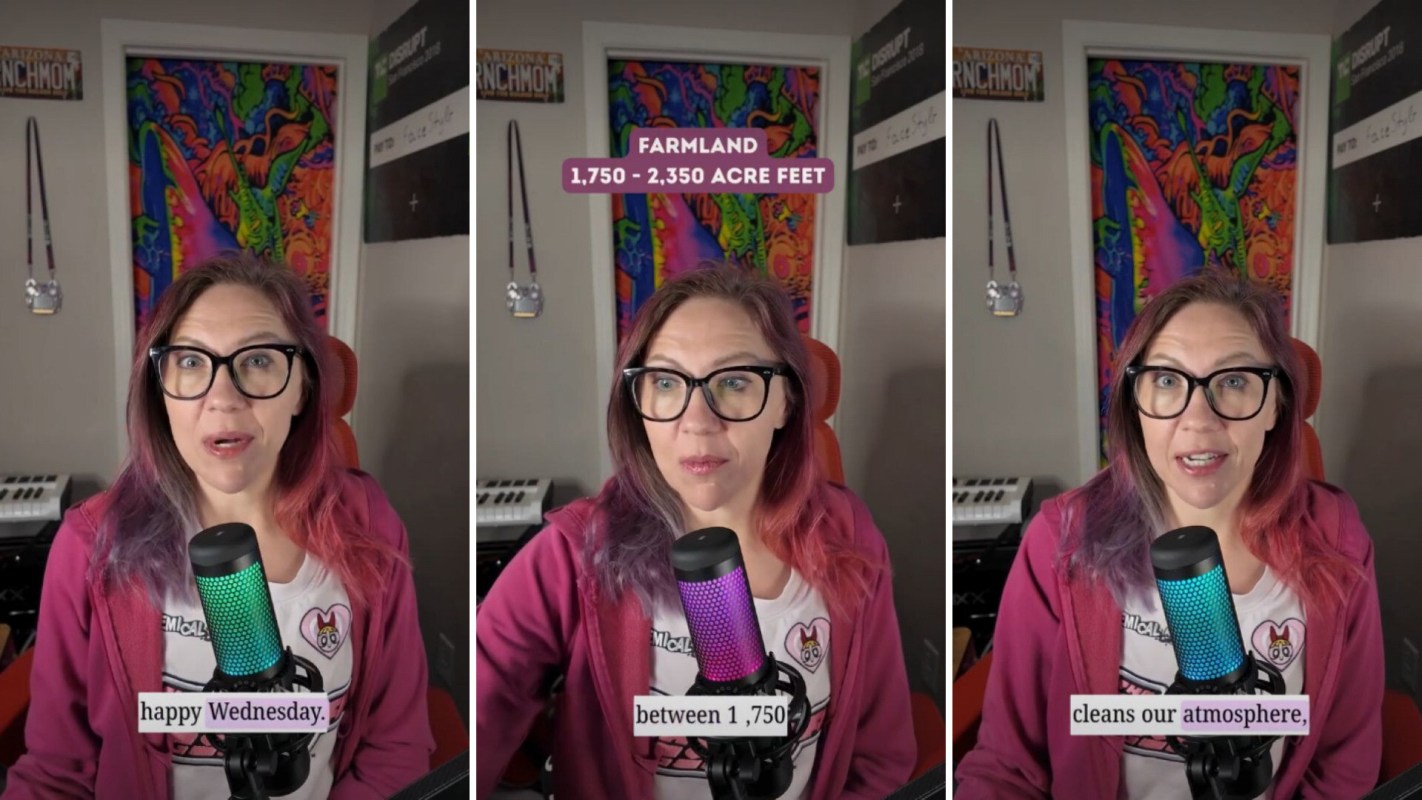
In a recent social media post, Marana Town Council candidate Jackie McGuire (@jackieformarana) pushed back on a developer claim that the planned Marana facility would reduce water use compared with the farmland now on the site.
In the post, McGuire said the comparison is misleading if it counts only what happens at the data center itself. She argued that water demand is not eliminated but is shifted to the plants that produce the electricity the facility would need.
"The water usage is simply transferred from the data center to the power generating facility," McGuire wrote in her post.
Citing Tucson Electric Power's 2024 sustainability report, the candidate said the utility uses about 400 gallons of water per megawatt-hour of generation. From that, she estimated that providing power to a 1.1- to 1.5-gigawatt facility would require roughly 11,000 to 16,000 acre-feet of water.
TCD Picks » Quince Spotlight
💡These best-sellers from Quince deliver affordable, sustainable luxury for all




McGuire also said that about 660 acres of farmland absorb around 364 U.S. tons (330 metric tons) of carbon dioxide each year. Meanwhile, generating the electricity for a data center of the proposal's size would produce 6.2 million to 8.4 million U.S. tons (5.6 million to 7.6 million metric tons) of carbon annually.
In the comments, one person added: "The whole 'data centers use less water than agriculture' argument pisses me off cause we NEED agriculture, we NEED farming and food to survive. We do NOT need data centers to survive."
Why is this important?
In dry regions, this debate centers on how water use is counted, who bears the environmental cost, and whether industrial projects are being presented to communities with incomplete comparisons.
That is especially significant in Arizona, where extreme heat and persistent drought already shape daily life. A project that appears efficient at the property line could still increase pressure on regional water and power systems if its upstream energy needs are left out.
The issue also ties into the rapidly expanding role of artificial intelligence and other digital services on the energy grid.
Many large data centers support cloud computing and AI tools, which can provide potential benefits such as improving grid forecasting, optimizing clean energy systems, and boosting efficiency.
At the same time, those facilities can increase electricity demand, consume substantial amounts of water for cooling and power generation, raise security and misuse concerns, and potentially lead to higher utility bills if major infrastructure costs are shifted onto residents.
Some commenters were already raising that concern.
"There's so many negatives about the surveillance centers," one wrote. "But one thing I've been curious and I just wanted to know if you have the answer why are people's energy bills increasing as opposed to the companies that own these centers paying for the energy they're using why is it being diverted to the residence of that city?"

Get TCD's free newsletters for easy tips, smart advice, and a chance to earn $5,000 toward home upgrades. To see more stories like this one, change your Google preferences here.






