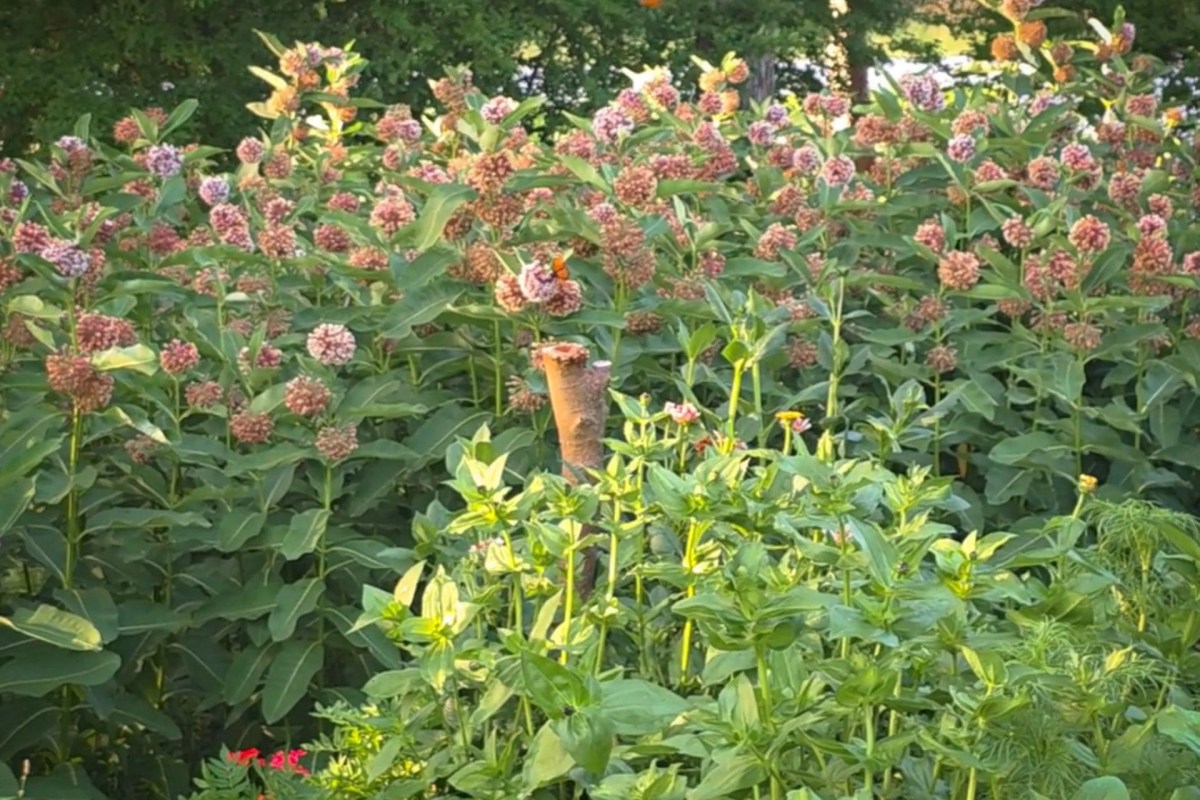
Sometimes, proof that a garden is doing exactly what it is supposed to do appears in the middle of an ordinary chore.
While watering their yard, one gardener spotted monarch butterflies fluttering over a patch of milkweed and paused to appreciate the moment — a small scene that underscores why pollinator-friendly planting matters.
What happened?
In r/gardening, a Reddit user shared footage of monarch butterflies visiting their milkweed.
"I had to stop and just look," they said of the quietly moving moment.
(Click here to watch the video if it doesn't appear.)
Other social media users celebrated the scene, which shows that moments of wonder and conservation victories can come right in your own backyard.
TCD Picks » Quince Spotlight
💡These best-sellers from Quince deliver affordable, sustainable luxury for all




"It's exciting to see monarchs flitting about the milkweed," one commenter affirmed.
"There's a ridiculous amount of environmental pressure on them. I've seen a marked decrease in the last five years," another worried.
A third offered practical advice to gardeners trying and failing to attract monarchs, writing: "You might want to check for paper wasp or hornet nests near the milkweed, too. They're good for the vegetable garden, but not so much for any butterfly that you want to encourage."
Why does it matter?
Monarch butterflies have become a symbol of how fragile backyard ecosystems can be.
Habitat loss, chemical use, and climate pressures have made monarch sightings feel rarer in many places. Because monarchs rely on milkweed to reproduce, a plant attracting several of them is doing more than looking nice — it is providing something genuinely useful.
Moments such as this also help explain why homeowners are rethinking the traditional grass lawn. Replacing even part of a yard with native plants can support pollinators, reduce mowing and maintenance, and cut down on water use.
That can save time, lower water bills, and reduce spending on fertilizer and general upkeep.
What can I do?
Even modest changes can create a yard that is easier to maintain and more alive.
Starting with regionally appropriate native plants can make a big difference for monarchs and other pollinators, which support the food web.
Options can include clover, buffalo grass, and xeriscaping, and even a partial lawn replacement can bring benefits. You can explore which plants are native to your area through resources such as the National Audubon Society's native plants database.
Avoiding pesticides can also make a meaningful difference since many pollinators are highly sensitive to chemical exposure.

Get TCD's free newsletters for easy tips, smart advice, and a chance to earn $5,000 toward home upgrades. To see more stories like this one, change your Google preferences here.