


A stretch of extreme summer heat can be problematic for an open garden, but it does not affect every part of a plot the same way.
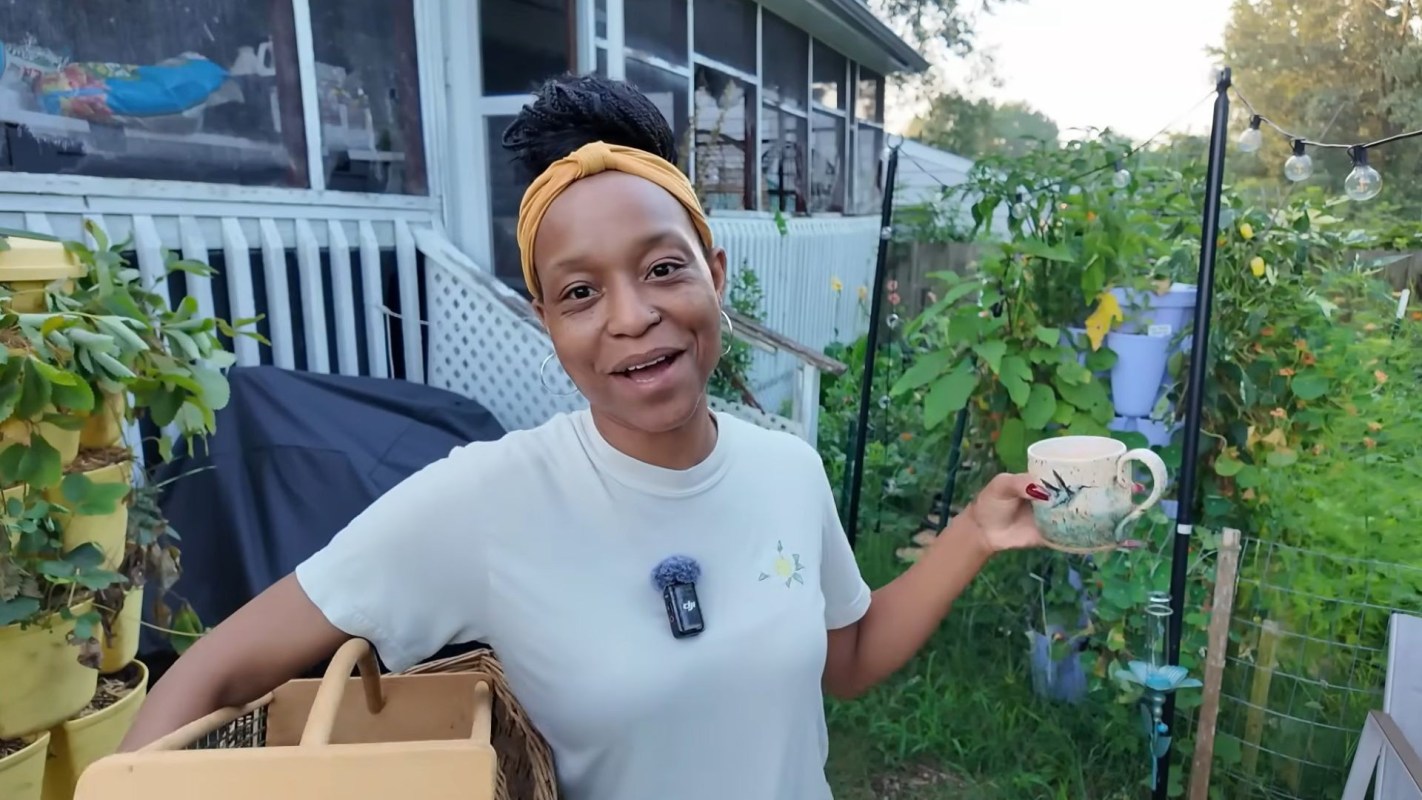
In a backyard update, Yellow Door Urban Homestead (@YellowDoorUrbanHomestead) gave a look at urban growing during high temperatures, with some plants faltering, some beds losing momentum, and some crops continuing to produce.
What's happening?
Yellow Door Urban Homestead posted a YouTube video that checked in on an urban backyard garden in the middle of summer heat, showing which areas were under stress and what was still growing.
Heat waves can change how a garden looks and performs. Raised beds that seemed full and thriving just days earlier can dry out while certain tough, established plants keep pushing through.
"Your channel was one of the first I subscribed to when I first started gardening about three years ago," one commenter wrote. "I tune in because you're authentic."
Why does it matter?
Heat waves are becoming a bigger part of summer in many communities, and they can be especially hard on backyard food gardens. High temperatures can lead to wilting, evaporation, reduced harvests, and more frequent watering, especially in small urban spaces where every bed counts.
TCD Picks » Quince Spotlight
💡These best-sellers from Quince deliver affordable, sustainable luxury for all




Urban gardens can still provide food and greenery even in difficult conditions. When gardeners learn which crops tolerate heat and which beds need extra protection, they are better positioned to keep plants growing through unstable weather.
Beyond the harvests themselves, these spaces can also help people feel more connected to their food and better prepared to adapt as summer conditions become less predictable.
What can I do?
If you're dealing with extreme heat, it helps to observe and not overreact. A bed that looks stressed in the afternoon may recover by evening, while another may need deeper watering, mulch, or temporary shade.
It can also help to focus on resilience. Gardeners can prioritize heat-tolerant crops, improve soil with compost so it holds moisture longer, and use mulch to reduce evaporation. Watering early in the morning is another simple step that can make a major difference during hot stretches.
If you are growing in a small urban space, backyard tours such as this one can also serve as a planning tool. Seeing what continues producing in someone else's setup may help you decide which varieties deserve more room next season and which ones need a different location or more protection.
"Please continue to just be you," another user said. "I think I can speak for the majority of your viewers in saying that. We love your personality and sheer genuineness."

Get TCD's free newsletters for easy tips, smart advice, and a chance to earn $5,000 toward home upgrades. To see more stories like this one, change your Google preferences here.







