


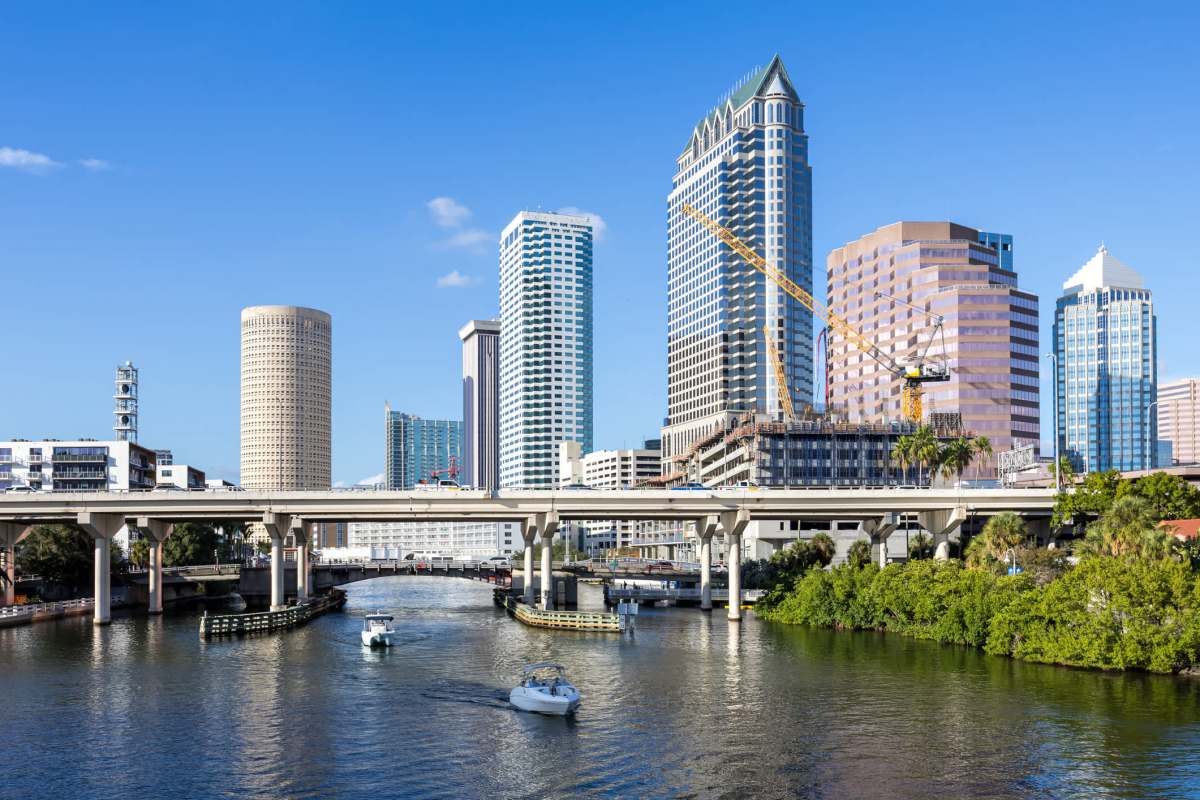
For the first time, a toxic substance associated with fish kills was detected in Florida's Hillsborough River, drawing renewed attention to car tires as an often-overlooked source of urban pollution.
What happened?
In findings published in the journal Environmental Pollution, a Florida International University team reported that it sampled sites along the river for 10 months starting in November 2023 and found the tire-derived chemical in every water sample, the Tampa Bay Times reported.
Downtown Tampa's segment of the river featured the greatest contamination, suggesting road runoff from the surrounding area delivers the chemical into the water.
Researchers also observed a "first flush" pattern, with readings increasing after the first substantial rain following a dry period.
According to the Times, federal environmental regulators have said the chemical could threaten fish and other aquatic species at 11 nanograms per liter. Samples taken in Hillsborough County during rainy conditions reached or slightly exceeded that mark.
Why does it matter?
Created when ozone reacts with a preservative commonly used in tires, the compound accumulates as tiny bits worn off moving vehicles settle on roads. Rain can then carry those particles through stormwater outfalls and into nearby waterways.
TCD Picks » Quince Spotlight
💡These best-sellers from Quince deliver affordable, sustainable luxury for all




Scientists suspect it is lethal to certain fish. In 2020, researchers in Washington State reported that coho salmon exposed to the compound became disoriented, gasped, swam sideways, and died.
What's being done?
"That gives us a real opportunity to start monitoring and managing this now while learning more about how it may potentially affect the species that actually live here, rather than playing catch-up later," Kassidy Troxell, a research assistant professor at FIU, told the Times.
This work emerged from the Nutrient Fingerprint Project, a collaboration focused on tracking pollution in Tampa Bay. To detect the elusive compound, scientists relied on a mass spectrometer, an approach that could reveal additional hotspots around Florida and provide leaders with better data for future decisions.
Specialists say local governments can curb the problem by upgrading stormwater systems, including culverts and filtration measures, so runoff is cleaner before it enters bodies of water.
People may also cut tire-related pollution by driving less and taking public transit, though the largest gains will likely depend on wider infrastructure improvements.

Get TCD's free newsletters for easy tips, smart advice, and a chance to earn $5,000 toward home upgrades. To see more stories like this one, change your Google preferences here.






