


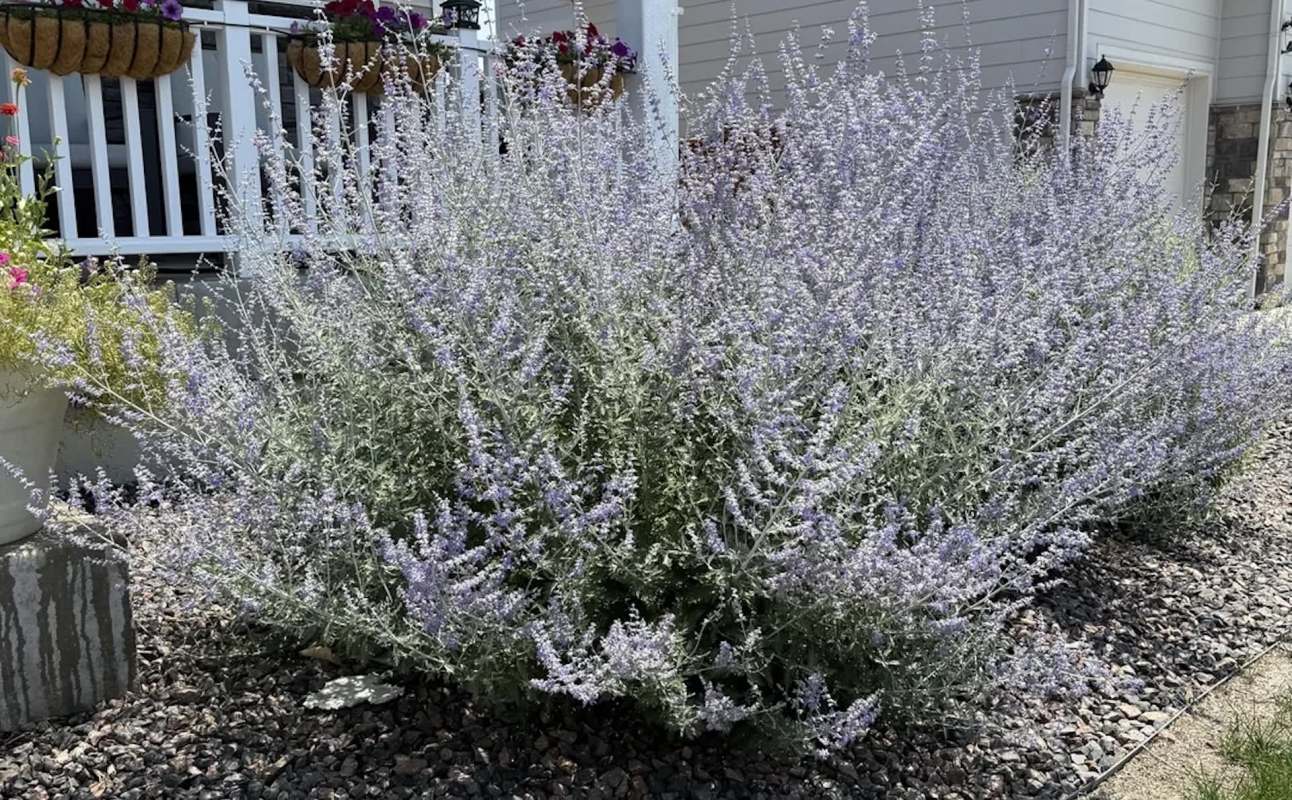
One homeowner's plea for help removing an oversized patch of Russian sage sparked a broader internet debate about what yards are actually meant for: easy maintenance, tidy borders, or habitat for pollinators.
The exchange captures a familiar tension for gardeners when a plant can be both beautiful for bees and deeply frustrating for the person trying to keep it under control.
What's happening?
Responses on Reddit quickly split after one person on the site's r/gardening forum described a Russian sage planting that had become difficult to manage.
The original poster wrote, "I have these massive sage plants…I want to get rid of them. All the grass immediately around it is dying and it's unruly AF."
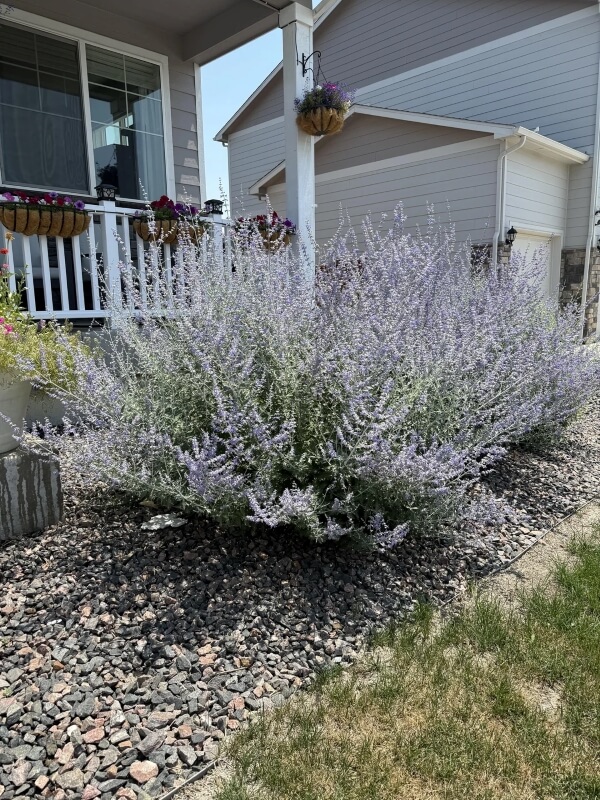
Some commenters focused on how to remove it, while others argued it should stay in place.
The disagreement is not especially surprising. Russian sage, often sold for its drought tolerance and long bloom period, is widely valued for attracting bees and butterflies.
TCD Picks » Quince Spotlight
💡These best-sellers from Quince deliver affordable, sustainable luxury for all




But in some landscapes, it can also feel unruly, especially if it self-seeds or spreads beyond the areas homeowners want to maintain.
Suggestions in the comments included digging the plant out, covering it, and, in some cases, using chemical treatments to kill it. Other users bypassed removal advice altogether and simply said to "keep it." The primary reason listed for keeping it was that "all the pollinators love them."
The top comment, indicative of the commenters' overall sentiments, read, "I agree with the other comments saying not to get rid of it! To fix your issue about it being unruly, just prune it aggressively when autumn comes."
Why does it matter?
Many homeowners are rethinking what they want from their outdoor space. Traditional landscaping often prioritizes neatness, but a growing number of people also want to support wildlife, use less water, and spend less time and money on upkeep.
The challenge is that not every pollinator-friendly plant is right for every property. A plant that thrives in one corner of a yard can become a headache in another if it crowds neighboring plants, takes over pathways, or no longer fits the homeowner's goals.
That is one reason native-plant lawns and lower-maintenance lawn replacements are drawing more attention. Native plants are often better adapted to local conditions, which can mean less watering, less mowing, and lower maintenance costs over time.
Even partial lawn replacement can save money and time while lowering water bills and creating a better habitat than a conventional turf-only yard.

Get TCD's free newsletters for easy tips, smart advice, and a chance to earn $5,000 toward home upgrades. To see more stories like this one, change your Google preferences here.






