


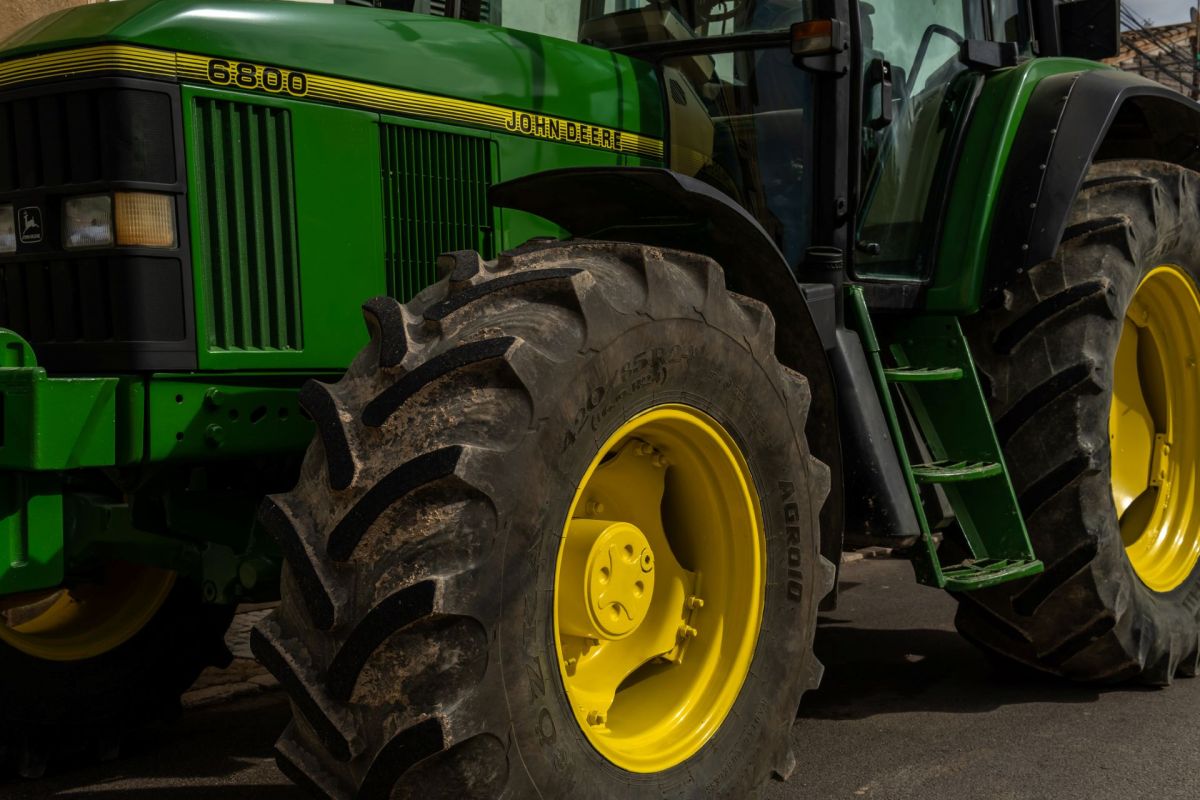
When a tractor or combine breaks down in the middle of a busy season, every hour counts. That is why some farmers and ranchers are pushing back against John Deere's proposed $99 million settlement over allegations that it controlled repairs on its equipment.
Some farmers say the proposed deal still gives them too little practical freedom to repair their own equipment and leaves them stuck with expensive dealership work two months after Deere agreed to the class-action settlement.
What happened?
Cowboy State Daily reported that the suit alleged Deere used software and diagnostic access to control repairs on farm machines.
Deere has denied wrongdoing, but under the proposal, some owners could recover money if they show that dealership repairs cost more than doing the work themselves or hiring an independent shop.
Critics argue that this is a weak remedy for a much larger issue. Jared Wilson of Wilson Farms Land and Cattle Co. in Missouri formally objected to the settlement, arguing that it could reinforce Deere's power rather than weaken it.
His filing states: "Meanwhile, the average member of the class will get, at best, a $400 check, remain under Deere's thumb, and see no meaningful change in their independence to repair their equipment."
TCD Picks » Quince Spotlight
💡These best-sellers from Quince deliver affordable, sustainable luxury for all




Farmers who want out of the deal can opt out between July 14 and Sept. 14, Willie Cade, a board member of The Repair Association, told Cowboy State Daily. The final court hearing is set for Oct. 29 in Rockford, Illinois.
Why does it matter?
For many farmers, this is about more than a legal dispute. It is about whether they can keep their operations running without being forced into expensive, time-consuming dealer repair channels controlled by the same company that made the equipment.
Chad Franke, a rancher near Lander and president of the Rocky Mountain Farmers Union, said the settlement's dollar figure looks far less significant when measured against the cost of modern farm machinery.
"Ninety-nine million sounds like a lot of money, until you realize that a new combine is a million dollars," he said, according to Cowboy State Daily.
When essential machines are harder to fix, farmers can lose critical time during planting or harvest, pay more for repairs, and face additional strain on already tight budgets.
Repair restrictions can also shorten the useful life of equipment, increasing waste and making replacement seem like the only practical option.
What's being done?
Cowboy State Daily reported that the settlement would require Deere to support owner repairs and provide access to certain software, tools, and diagnostics for 10 years.
However, opponents say that promise is too limited, especially because farm equipment often remains in use for far longer than a decade.
Brad Sage of Sage Repair in Florence, Montana, said independent repair shops can often do the work for much less than dealerships, but only if they have access to the needed tools and information.
"Now farmers are locked out (of solving equipment problems) because the information is too hard or cumbersome to come by," Sage said, per Cowboy State Daily.
Twenty states introduced legislation on agricultural equipment in 2025, and President Donald Trump recently signed an executive order to expand access to vehicle diagnostic information and repair tools, according to Cowboy State Daily.
The National Farmers Union and the Federal Trade Commission are also pursuing a separate antitrust case against Deere, though that case is paused during settlement talks.
"It seems disingenuous," Franke said. "But I am confident saying we're not happy with the settlement."

Get TCD's free newsletters for easy tips, smart advice, and a chance to earn $5,000 toward home upgrades. To see more stories like this one, change your Google preferences here.






