


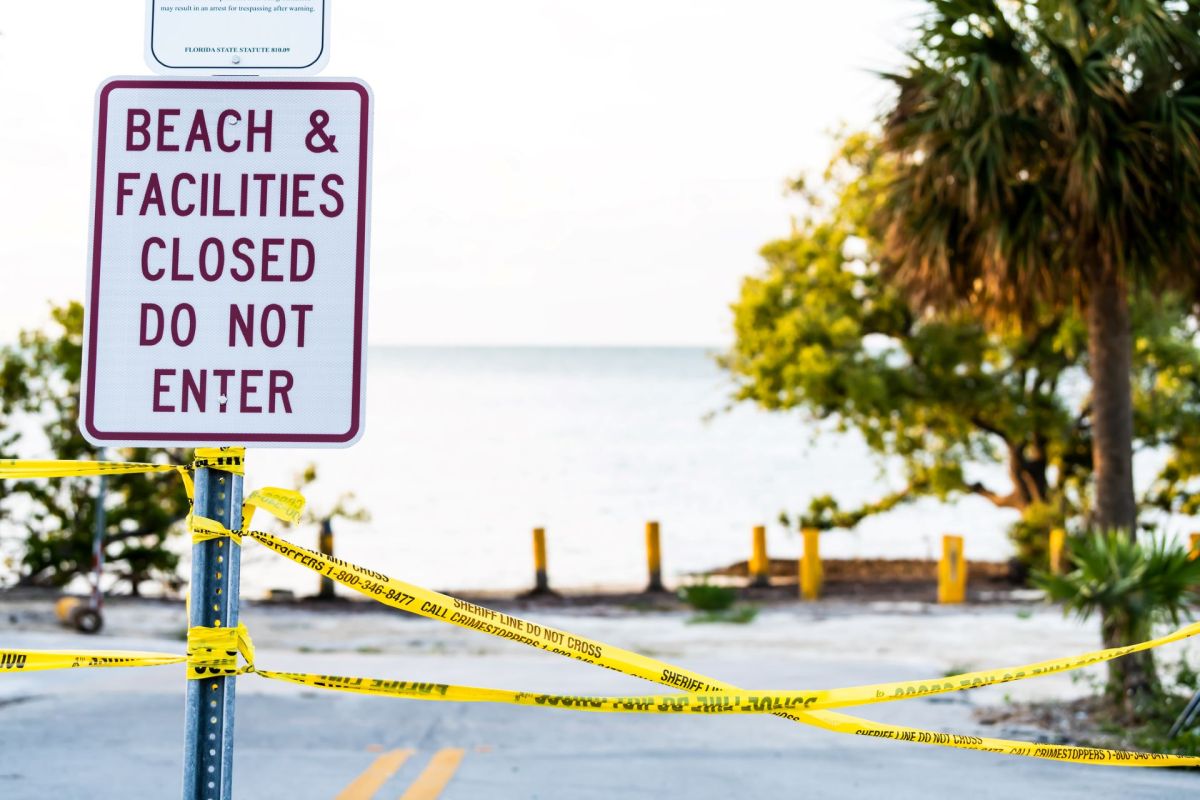
Several Massachusetts beaches along the North Shore are closed ahead of the Fourth of July holiday after storm-related sewer damage sent wastewater toward the coast.
The contamination has disrupted marine businesses as well, with at least one oyster operation pausing shellfish harvests during a key summer sales period.
What happened?
After last Friday's heavy rain hit Haverhill, two damaged sewer lines failed, allowing sewage to reach the Merrimack River and prompting downstream beach shutdowns in Ipswich, Newburyport, and Salisbury.
According to Haverhill public works director Bob Ward, the city's treatment plant usually processes roughly 8 million gallons per day, but storm conditions drove the volume up to about 60 million to 65 million gallons, he told CBS Boston.
CBS Boston reported that the affected beaches include Crane, Little Neck, Pavilion at Main Street, Sandy Point on Plum Island at North and South, and Steep Hill in Ipswich; Plum Island at 55th Street, End of Island 1, End of Island 2, and Plum Island Point in Newburyport; and Salisbury Beach Center at Broadway Street, plus Salisbury Beach at Main in Salisbury.
Water test results were expected Tuesday to determine whether the closures near Plum Island would stay in place.
TCD Picks » Quince Spotlight
💡These best-sellers from Quince deliver affordable, sustainable luxury for all




To limit further discharge into the river, Ward said Haverhill is putting in a temporary bypass, while noting that the measure will only address part of the problem.
"It's better than nothing, and the day-to-day dry weather flow will be covered easily," Ward said.
Why does it matter?
Sewage contamination can carry bacteria and other pollutants that threaten public health and harm river and coastal ecosystems.
Businesses tied directly to water quality are already feeling the effects. Brenden Doyle, who owns Great Marsh Shellfish Company in Rowley, said authorities told his oyster farm to stop harvesting altogether.
"Until this gets fixed, we don't have any revenue coming in. All the revenue going out. We still have to care for the oysters, still have to maintain our crop, so it's money out, and nothing is coming in," Doyle said.
Clean waterways support tourism, recreation, local food production, and jobs.
For oyster farms in particular, even precautionary closures can have consequences if buyers turn elsewhere. As Doyle put it, "Those orders are going to other providers."
What's being done?
City officials said the immediate priority is to stop more wastewater from reaching the Merrimack.
Ward said crews are installing two temporary bypasses intended to carry normal dry-weather flow and absorb at least some rain beyond that.
Mayor Melinda Bennett said the bypass could be in place soon, but not cheaply: city officials estimate the temporary work at $2 million to $3 million, and say a permanent repair to the line may top $10 million.
Bennett said the underlying problem is tied in part to aging infrastructure.
"This treatment plant was put in the 1970s. These pipes were laid in the 70s after the Clean Water Act," she said.
Officials are planning a full assessment of the damaged lines, while continued testing will help determine when beaches can safely reopen.
"We hope to have [the bypass] done by Wednesday, so we stop putting [wastewater] into the river, that way people can have 4th of July down river," Bennett said.

Get TCD's free newsletters for easy tips, smart advice, and a chance to earn $5,000 toward home upgrades. To see more stories like this one, change your Google preferences here.






