


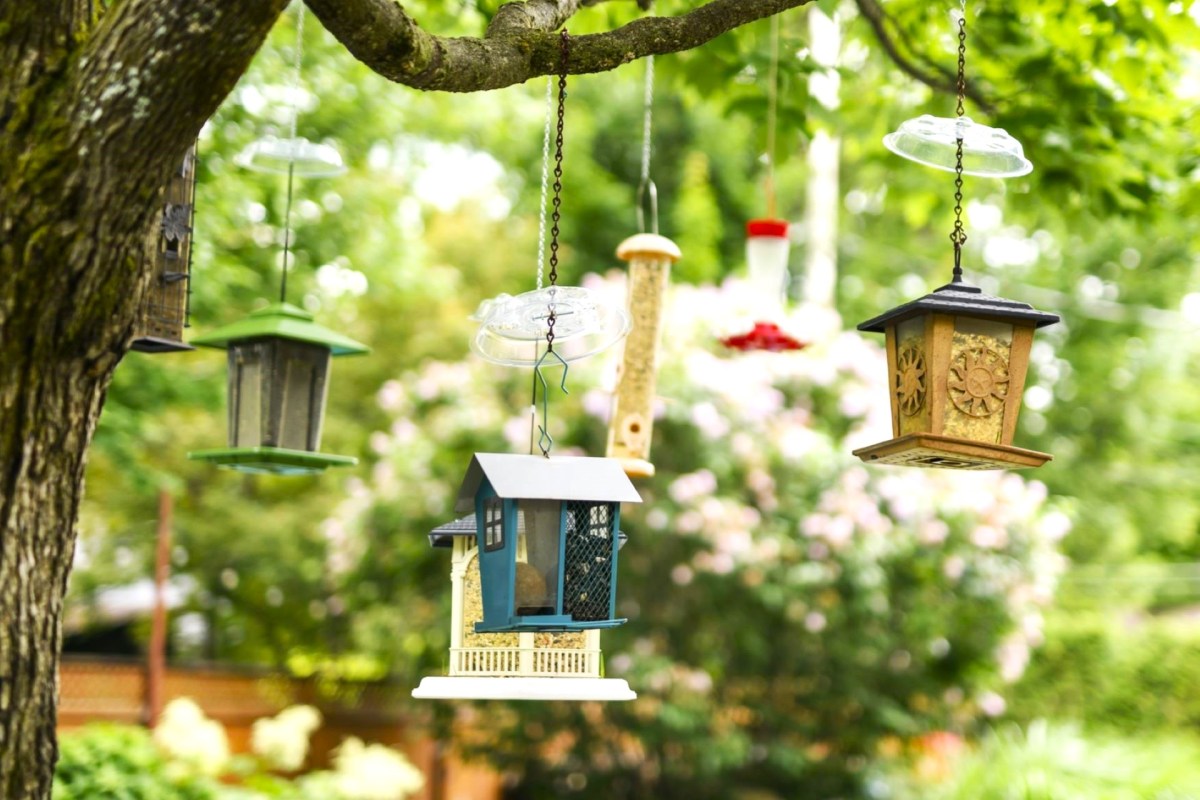
Summer heat can turn a well-meaning backyard bird feeder into a place where illness spreads, prompting experts to urge more caution from homeowners.
Because higher temperatures allow parasites to remain viable for longer on dirty surfaces, keeping feeders clean becomes especially important for the birds that use them.
What's happening?
Warm spells raise the odds of disease spreading among wild birds, so homeowners are being encouraged to clean bird feeders and bird tables more often. As Tom's Guide reported, one of the biggest concerns is trichomonosis, a parasitic disease that can spread through saliva and contaminated food or water and can be fatal to many bird populations.
Kym Barlow, commercial director at sustainable furniture company TDP, said: "During the summer months, busy bird feeders become hotspots for disease as more birds gather, while warmer temperatures help the parasite to survive longer without a host."
Barlow also warned that "Trichomonosis is a serious threat to garden bird populations, and contaminated feeders are one of the primary ways it spreads."
Risks can build up in more than just the birdseed. Stale food, droppings, standing water, and worn feeder surfaces can all give harmful bacteria and parasites places to linger.
TCD Picks » Quince Spotlight
💡These best-sellers from Quince deliver affordable, sustainable luxury for all




Why does it matter?
Feeding birds can support local wildlife. But when feeders are not cleaned regularly, they can unintentionally do the opposite by concentrating birds in one place and exposing them to contaminated food and surfaces.
That risk increases in the summer, when heat helps germs and parasites persist for longer. A dirty feeder can therefore affect more than one bird at a time, becoming a transmission point for a wider neighborhood population.
Feeder material matters as well. Barlow explained: "Wooden feeders are more porous and can harbor bacteria in cracks and crevices, making them harder to thoroughly clean and disinfect, while also attracting pests."
What can I do?
According to Tom's Guide, Barlow recommends making feeder maintenance a weekly habit: wash feeders with hot, soapy water, remove leftover food and droppings from the surrounding area, and use mild or nontoxic disinfectants on surfaces.
The TCD Guide's page on natural cleaning products offers ideas for alternatives to store-bought chemical cleaners. For bird feeders specifically, the key is making sure any cleaning method is thoroughly rinsed and appropriate for surfaces birds will touch.
Inspect feeders closely for cracks, wear, and buildup. Barlow said, "If you have a standard wooden or plastic feeder, take a close look for any wear and damage." Barlow added, "It's easy to underestimate how quickly they can become a health hazard."

Get TCD's free newsletters for easy tips, smart advice, and a chance to earn $5,000 toward home upgrades. To see more stories like this one, change your Google preferences here.







