


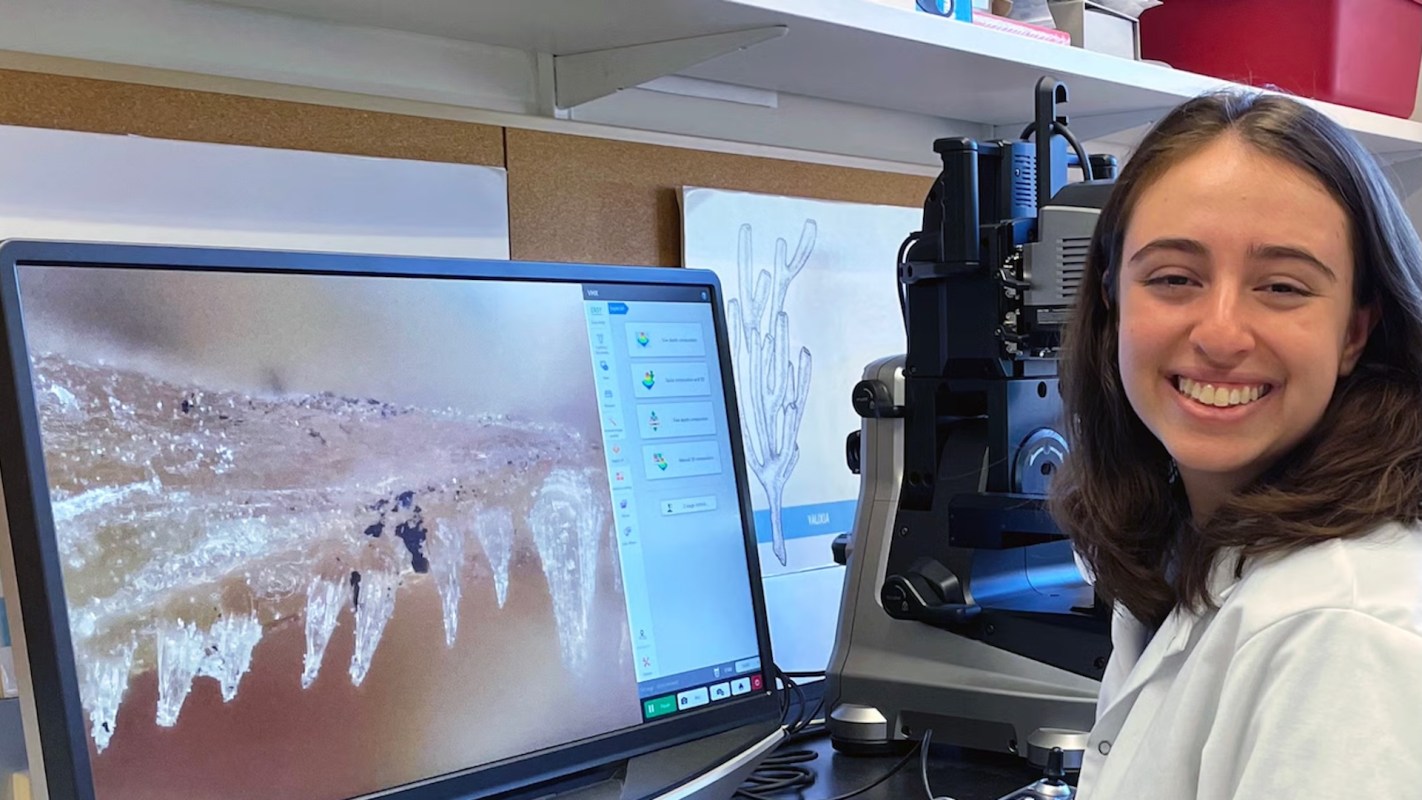
Scientists have traced the fish genus Cyclothone much further back in time by studying tiny teeth preserved in seafloor sediments.
According to Yale News, the evidence suggests this group of fish lived in the ocean at least 55 million years ago, far earlier than scientists believed.
What happened?
This research, led by 2026 Yale graduate Karinne Tennenbaum, points to a much earlier origin for Cyclothone than scientists had recognized, Yale News reported.
Because deep-sea fish are small and delicate, they are difficult to follow in the fossil record and rarely survive as intact remains over vast stretches of time.
To work around that problem, the Yale team examined tiny tooth fossils from marine sediments rather than searching for complete skeletons to take samples from. Those teeth suggest Cyclothone's lineage extends back at least 55 million years, revising earlier assumptions and indicating that a fish now associated with the deep ocean emerged during a very different chapter of Earth's history.
Why does it matter?
The study helps fill a major gap in the fossil record. Cyclothone may be tiny, but they play an outsized role in ocean ecosystems. Deep-sea fish help move carbon and nutrients through the water column, linking life near the surface with life in the ocean's darkest depths.
TCD Picks » Quince Spotlight
💡These best-sellers from Quince deliver affordable, sustainable luxury for all




The discovery could help scientists better understand how marine species respond to a warmer planet. This research revealed that Cyclothone's ancestors were able to thrive during the Eocene period, which witnessed extreme heat. That history may offer clues about resilience, adaptation, and ecosystem change as modern oceans continue to heat up.
Today's warming seas are already affecting fisheries, marine biodiversity, and the food webs people depend on. Research like this helps scientists piece together how ocean life changed in the past — and what that could mean for the future as heat, acidification, and oxygen loss put new pressure on marine environments.
What are people saying?
The Yale team's results suggest that even very small fossils can revise the history of ocean species. By studying fossil teeth instead of whole skeletons, the researchers found clues that had long gone unnoticed. The study also pointed to a much older history for Cyclothone.
"Getting a clearer view of evolutionary history improves our understanding of climate resilience and enhances our knowledge of how fishes in the open ocean survive and adapt," said Tennenbaum.
She said this research provided answers to a lot of questions, noting that "analyzing the surface texture of teeth microfossils provided us a clearer picture of the evolutionary history of Cyclothone."
Elizabeth Sibert, senior author of the paper and former Hutchinson Postdoctoral Fellow at the Yale Institute of Biospheric Studies, commented on how challenging it can be to pinpoint these specimens.
"Microfossil fish teeth are perhaps the most abundant vertebrate fossils on the planet but can be really challenging to identify to specific taxonomic lineage — we can tell you a lot about the tooth but saying 'this is the fish that made that tooth' is not so simple," she said.

Get TCD's free newsletters for easy tips, smart advice, and a chance to earn $5,000 toward home upgrades. To see more stories like this one, change your Google preferences here.






