


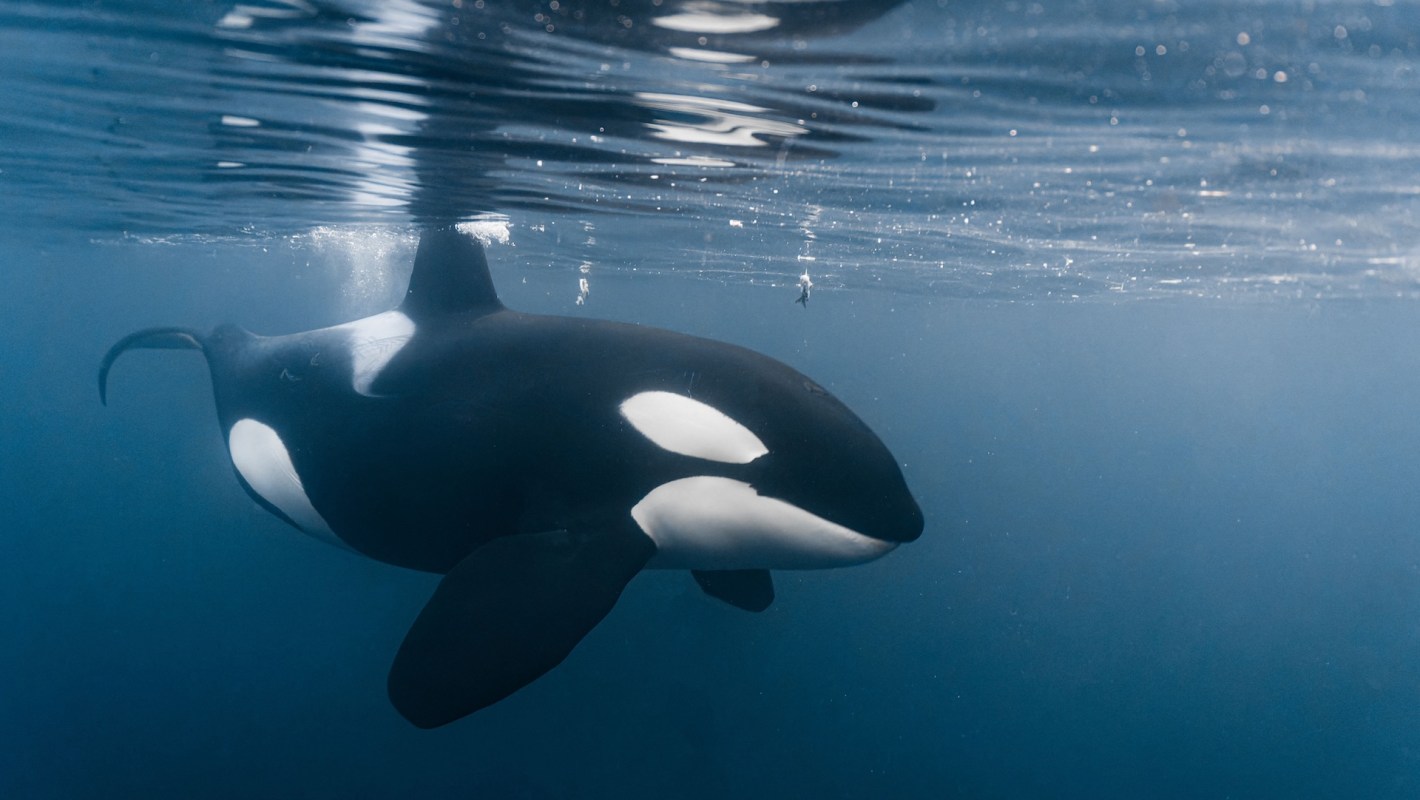
Visitors to the Farne Islands off England's Northumberland coast typically arrive hoping to spot puffins, guillemots, and other well-loved seabirds.
Alongside those familiar birds, people are starting to see something far larger in nearshore waters: orcas. Specialists have said their more frequent appearances close to land may be a positive sign for the local marine environment.
What happened?
Over the last two years, people along the Northumberland coast have reported more encounters with both orcas and dolphins, including sightings much nearer to the shore than residents had typically seen before.
As The Guardian reported, boat crews, wildlife watchers, and marine researchers all said the recent wave of sightings stands out.
Andrew Douglas, owner of Serenity Boat Tours, told the publication that when he first saw the orcas last year, he "was like a little child … excited as hell."
He talked about how good it felt to see the smiles on people's faces on the tour as they witnessed the spectacle. He added that the whales have also brought extra excitement to local tours, saying, "Having the orca, it doesn't half boost things."
TCD Picks » Quince Spotlight
💡These best-sellers from Quince deliver affordable, sustainable luxury for all




Douglas had seen orcas only once before, when he was 20. Since then, he and his crew have spotted pods several times, while crewman Aaron Fordy has now seen them four times.
Researchers in Shetland who reviewed footage from the sightings said the encounters appear to involve several different pods rather than one group returning repeatedly.
Why does it matter?
Scientists have said the increase in sightings does not yet have one definitive explanation.
University of St Andrews researcher Dr. Julia Sutherland told The Guardian that orcas are "highly mobile animals," meaning the rise in sightings could reflect a combination of increased presence, improved reporting, and greater visibility through social media.
Even so, some researchers and people in the area think these sightings could be great news to the local ecosystem, since this pattern could indicate that the food web offshore is in better shape.
In Douglas' view, the government's sandeel fishing ban may be contributing to that recovery. Sandeels are small forage fish eaten by larger animals, so protecting them can have positive ripple effects up the food chain, benefiting seabirds, fish, dolphins, and whales.
With the sandeel population at less risk, more mackerel and herring are in the area, and these orcas are drawn to regions where this prey is more plentiful, Douglas suggested.
The Guardian quoted honorary research fellow Dr. Conor Ryan of the Scottish Association for Marine Science, who called the sandeel ban "a very logical place to look for an explanation."
He also noted that "if you're getting big predators returning to an area, that's a good sign of a healthy ecosystem."
Healthier oceans can help support local economies, strengthen fisheries, and improve conditions for coastal communities.
At the same time, researchers cautioned that orcas in U.K. waters still face serious threats from pollution, and the population along the country's west coast is nearing local extinction.
What are people saying?
Fordy said, "We're just jumping about, really excited to see them, because of course it's a first experience for us too."
Douglas said, "The big dorsal fins on the males are just absolutely huge, it just makes you smile, it's really cool." He noted that the Farne Islands have been "getting a lot busier" since these uncommon orca sightings.
Researchers, however, have taken a more cautious view while still expressing interest in the sightings.
As The Guardian reported, University of St Andrews researcher Dr. Luke Rendell said orcas are "exploratory and curious animals," while Sutherland said scientists are still "lacking so much knowledge" about killer whales in U.K. waters to draw firm conclusions for now.

Get TCD's free newsletters for easy tips, smart advice, and a chance to earn $5,000 toward home upgrades. To see more stories like this one, change your Google preferences here.






