


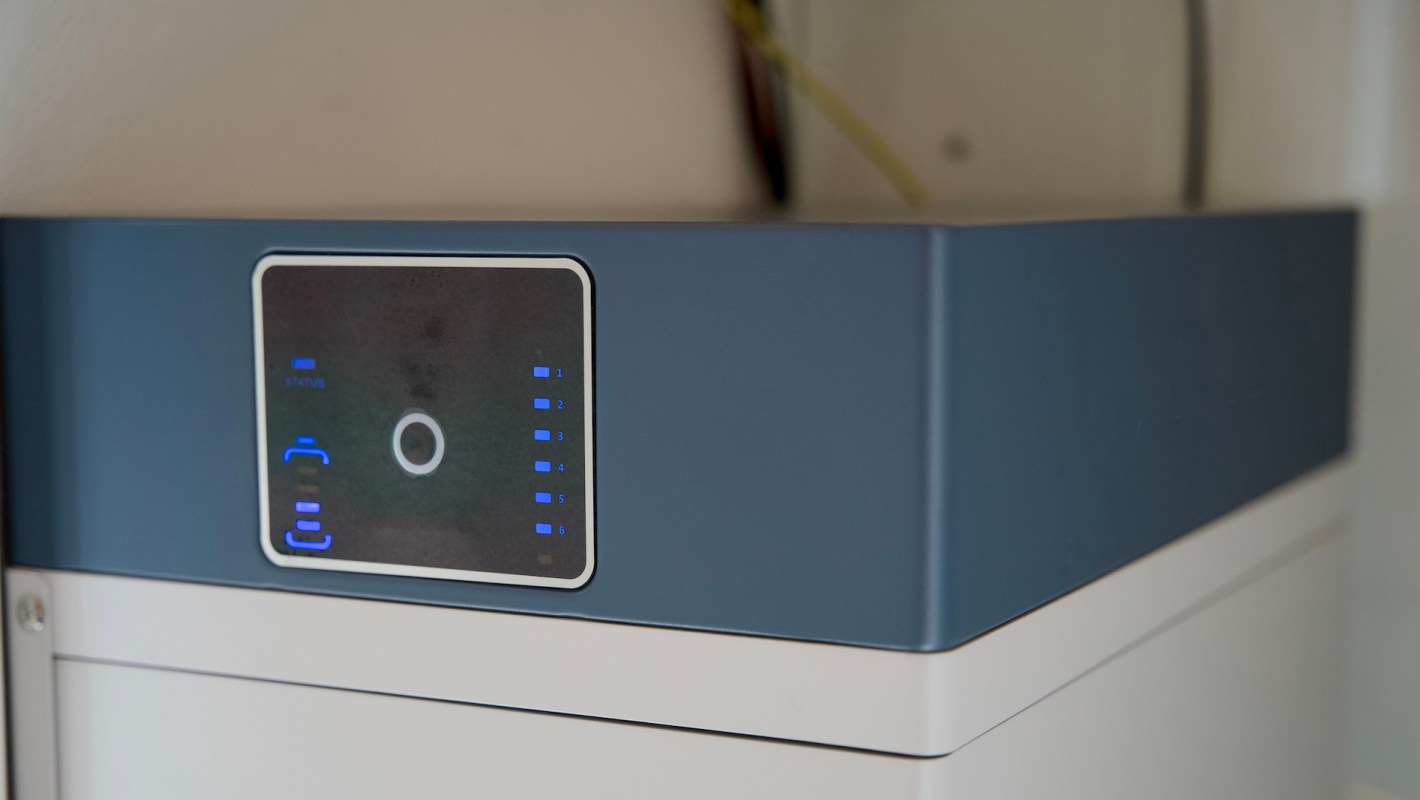
Home batteries are being purchased more frequently as homeowners respond to higher electricity costs and worries about grid reliability.
The first quarter of 2026 set a new record for U.S. battery installations, with California and Hawai'i leading and Texas and Arizona also seeing major growth.
What's happening?
The United States added a record 673 megawatts of residential battery capacity in the first quarter of 2026, marking a major milestone for home energy storage. The pace of growth suggests batteries are rapidly shifting from a niche upgrade to a practical household tool.
Data from the US Energy Information Administration, highlighted by Ars Technica, shows California and Hawai'i at the front of the market, while Texas and Arizona also expanded rapidly.
The growth seems to be tied in large part to state incentive programs, along with higher electricity prices for homeowners. Residential electricity prices were over 7% higher in April 2026 compared to last year, according to the EIA.
California encourages homeowners with solar panels to install batteries by offering better compensation for electricity sent to the grid after sunset, and Hawai'i will even give $400 to people for each kilowatt of battery storage they install, Ars Technica reported.
TCD Picks » Quince Spotlight
💡These best-sellers from Quince deliver affordable, sustainable luxury for all




The benefits are easy to see for many homeowners. A home battery can store electricity for later use, whether that energy comes from rooftop solar panels or from the grid when rates are lower. This is important since it gives people more control over when and how they use power.
Why does it matter?
Home batteries help households prepare for unexpected emergencies, keeping lights on, refrigerators running, internet service active, and medical devices working during outages, especially during heat waves and severe weather.
They can also help families manage rising utility bills. By saving electricity for use during peak-rate periods, batteries can reduce the amount of power a household requires from the grid when prices are highest.
In areas with time-of-use pricing, that can translate into significant long-term savings.
Hot-weather states offer one clear example of why that matters. In Texas and Arizona, extreme heat can push electricity demand sharply higher when air conditioning is most needed, and a home battery can add resilience when the grid is under pressure.
Batteries also help households get more value from clean energy by making solar power available after sunset, potentially reducing reliance on more polluting backup power sources.
What's being done?
Much of the recent growth seems to be linked to policy support at the state level. Rebates, tax credits, and similar programs can shrink the initial price tag for a battery system and make the purchase feel more attainable.
Utilities and grid operators also have a growing opportunity to use these devices as part of a smarter, more responsive energy system. Large networks of connected home batteries could one day help smooth demand spikes and improve reliability for entire communities.
As the technology spreads, home batteries are starting to look less like a luxury add-on and more like a practical tool for saving money, protecting against blackouts, and improving home comfort in a changing energy landscape.
The technology is increasingly moving from theory to practical use in homes. Higher electricity bills and extra grid stress during periods of extreme heat are helping make home batteries a source of savings, control, and peace of mind.

Get TCD's free newsletters for easy tips, smart advice, and a chance to earn $5,000 toward home upgrades. To see more stories like this one, change your Google preferences here.






