


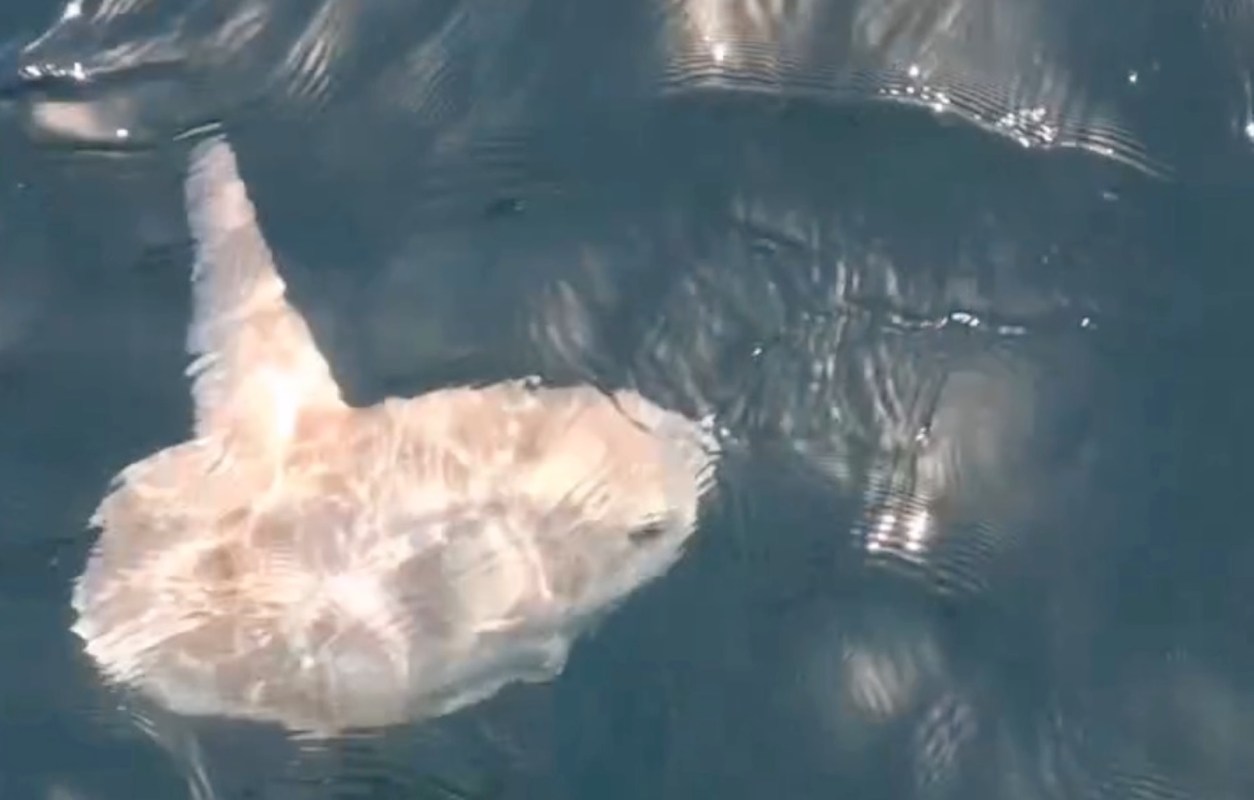
Passengers on wildlife tours near Plymouth have been seeing surprising visitors in Devon waters: giant ocean sunfish, whose prominent fins can easily be mistaken for a shark at a distance.
According to The Plymouth Herald, Plymouth Marine Safari has recorded an unusual burst of encounters, with crews spotting more than 10 of the huge fish in a single week.
What happened?
Plymouth Marine Safari (@plymouthmarinesafari) shared Instagram footage showing one of the animals gliding near the surface. In the clip, the sunfish's large fin cuts through the water as it swims alongside the boat, giving passengers a close look at one of the ocean's most unusual creatures.
In the caption, the company wrote: "This last week we have been seeing more sunfish than ever in Plymouth waters. We have spotted more than 10+ in this last week, but the tricky part is if we stop to watch them as soon as they get near the boat, they love to disappear."
This unique sea creature, known scientifically as Mola mola, is the heaviest bony fish on Earth. Their bodies are broad and flattened, and they are often seen near the surface in warmer periods before diving down to feed on jellyfish.
Sunfish also spend time floating horizontally at the surface to absorb the sun's warmth before returning to deeper waters.
TCD Picks » Quince Spotlight
💡These best-sellers from Quince deliver affordable, sustainable luxury for all




Although they do appear in British waters from time to time, they have long been regarded as an uncommon sight.
Why does it matter?
Devon's waters are already known for dolphins, seals, whales, basking sharks, and even the occasional turtle.
The Plymouth Herald reported that warmer seas are making sunfish encounters around British coastlines more frequent. The fish tend to follow warmer currents and remain close to the surface when those conditions set in.
Scientists have long warned that rising sea temperatures can change where wildlife lives, feeds, and migrates. As oceans warm, some species can appear more frequently in places where they are considered to be rare sightings.
What are people saying?
Viewers of the Instagram video expressed their excitement in the comments.
One wrote, "So so jel."
Another added, "Would love to see one!"
A third kept it simple: "Wow!"
Anyone taking a Devon boat tour between June and September may have a decent chance of seeing one — though, as Plymouth Marine Safari noted, the fish seem to vanish just when people get close enough to admire them.

Get TCD's free newsletters for easy tips, smart advice, and a chance to earn $5,000 toward home upgrades. To see more stories like this one, change your Google preferences here.






