A first-time homeowner's four-year clover lawn experiment is drawing attention for their honest assessment after the yard thrived for years before eventually revealing what had been missing all along.
In a detailed post on Reddit, the homeowner recounted the advantages of swapping out traditional turf for clover, along with the lessons that emerged later about reseeding and soil care.
What happened?
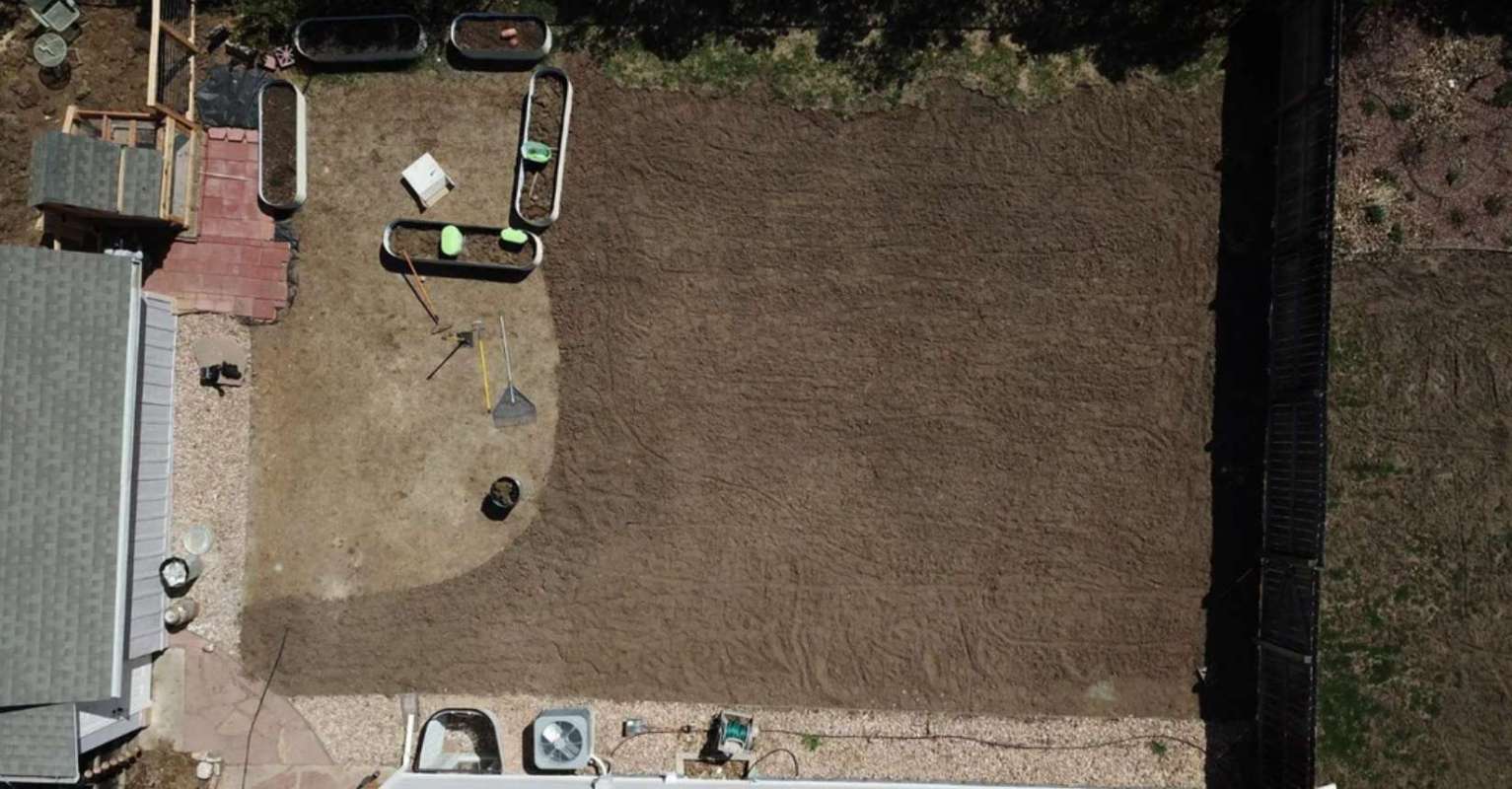
The Zone 5b yard started out in bad shape, according to the original poster, with noxious weeds, failing sod, and pest issues. After the sod was removed, they said the move to clover was "fairly straightforward" so long as the seed was kept moist during germination.
During years two and three, the homeowner wrote, "We had a lush, whimsical, cottage-core lawn" that required "low to no mowing" and no fertilizer.
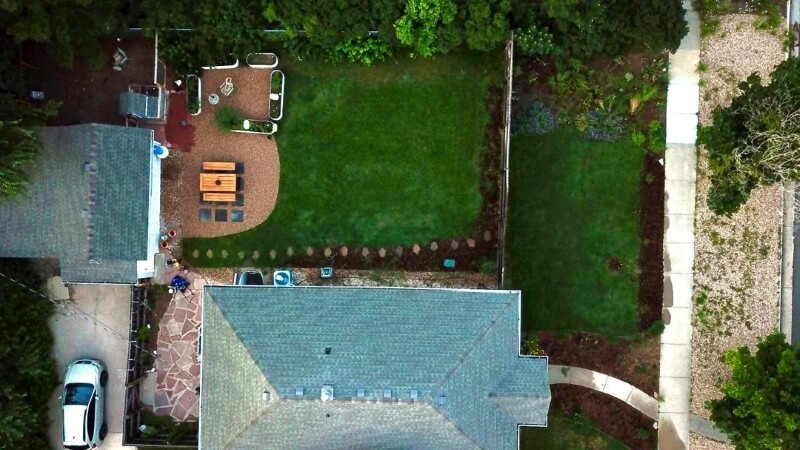
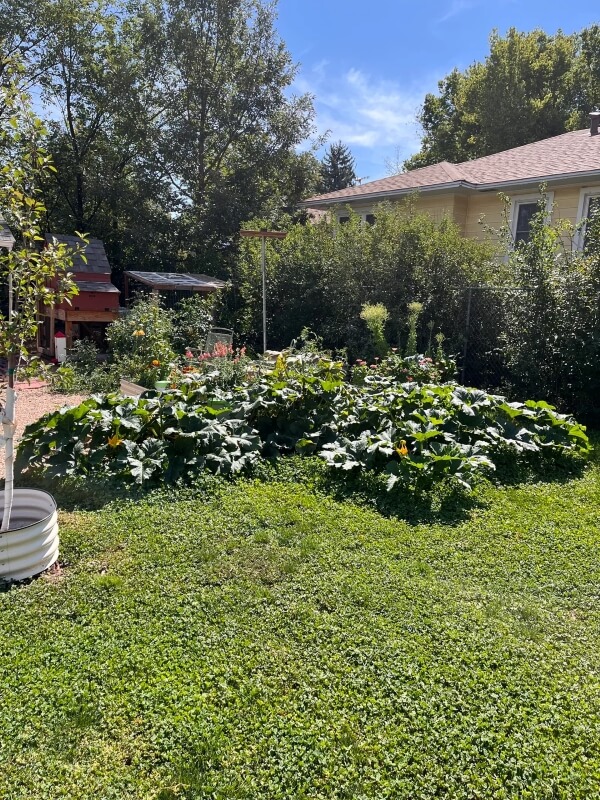
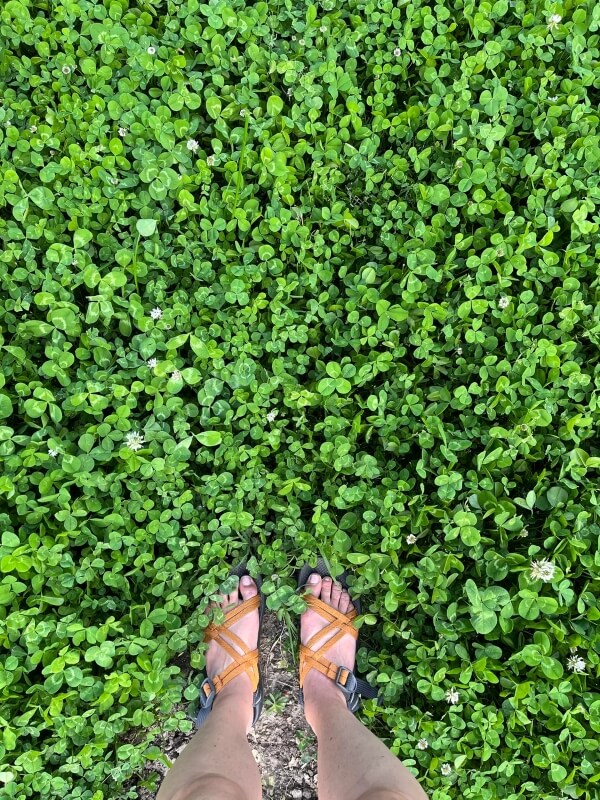
In year four, the homeowner said poor soil health combined with an "incredibly dry winter" left the lawn patchy and allowed weeds to return, while also highlighting that clover is "a short-lived perennial, typically lasting 2-5 years."
In retrospect, they said they would have favored heavier aeration over tilling and gone with "a bio diverse mix of clover, grasses, and native ground cover" rather than planting only clover.
TCD Picks » EDF Spotlight
💡EDF's Vital Signs newsletter delivers stories about game-changing solutions close to home and around the world



Why does it matter?
Clover can reduce mowing, cut down on fertilizer use, and help homeowners save both time and money. Native plant lawns and other lower-maintenance alternatives can also reduce water use, which may help lower utility bills.
The best lawn replacements often work as systems rather than single-species solutions. Mixing clover with native plants, buffalo grass, or other hardy ground covers can make a yard more resilient to drought, weeds, and seasonal die-off.
Even a partial lawn replacement can provide those benefits while shrinking the amount of thirsty, high-maintenance turf around a home. Xeriscaping is another option for homeowners seeking an especially low-water setup.
For readers considering a similar switch, check out the TCD Guide's pages on upgrading to a natural lawn and rewilding your yard for more ideas and discussion from other readers.
What are people saying?
The original poster remained overwhelmingly positive about the experiment, summing it up simply: "TL;DR: clover is awesome." They said the experience made them wish they had prioritized soil health and biodiversity earlier.
They also did not sugarcoat the yard's current condition. In one memorable line, the homeowner wrote that after the dry winter, they now have "a patchy lawn battling purslane again (purslane is winning)."
Their next steps, they said, include beneficial nematodes, compost, aeration, and yearly reseeding with a more diverse mix.

Get TCD's free newsletters for easy tips, smart advice, and a chance to earn $5,000 toward home upgrades. To see more stories like this one, change your Google preferences here.