


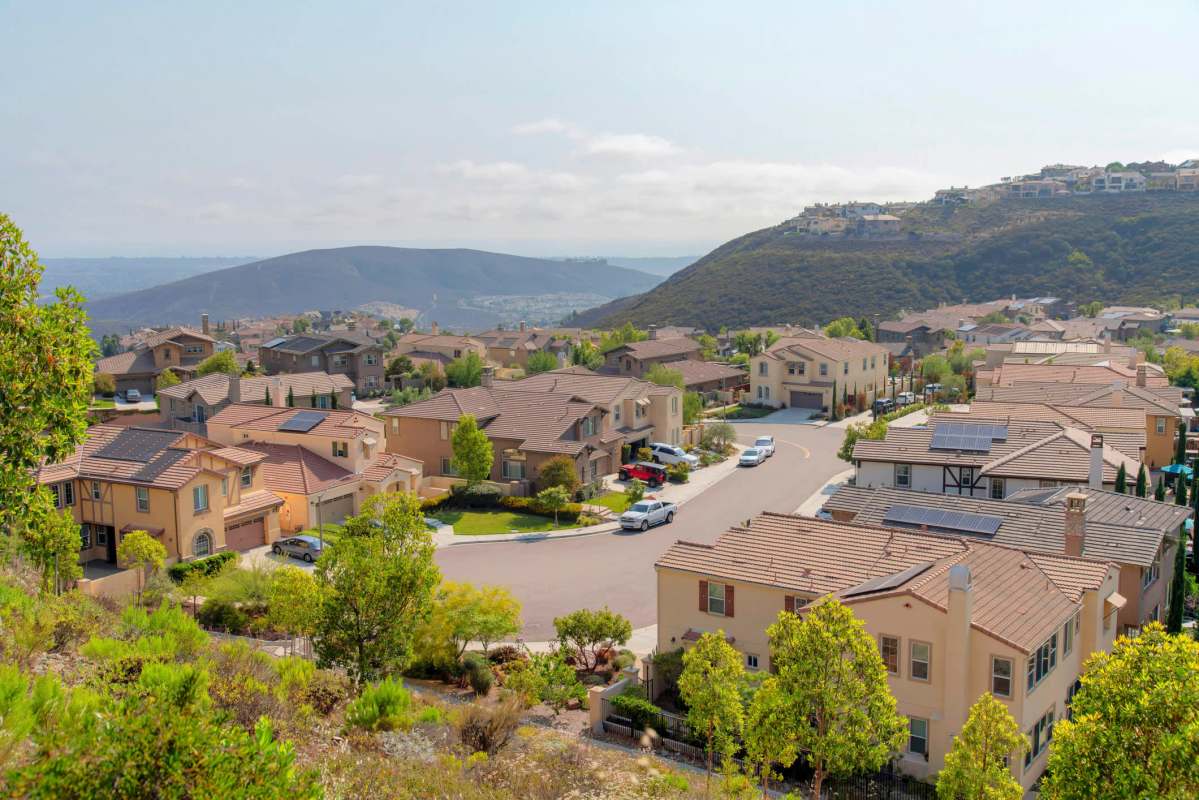
A California resident has said that blanket criticism of solar power purchase agreements can overlook cases where they do exactly what a homeowner wants.
In an online debate, the person's position was that a PPA may still be a reasonable choice if it cuts the monthly bill and they expect to stay in the home permanently.
For many households, going solar is one of the best ways to save money on home energy costs. Homeowners weighing their options can use EnergySage to get quick solar installation estimates, and it lets shoppers compare quotes in one place before deciding whether buying or a third-party arrangement makes more sense.
What's happening?
A thread on Reddit started when a Southern California Edison customer asked why PPAs draw so much hostility. In that kind of deal, the solar company owns the equipment, while the homeowner pays for the power generated by it.
Crushed by your bills? See instant solar savings from vetted installers in just a few clicks With energy prices through the roof, there's never been a better time to go solar — and EasyHome can help you find the best prices from the best installers in your area. EasyHome takes the guesswork and headaches out of energy upgrades by showing you estimated savings from a network of vetted local partners. To get started, just enter your ZIP and share a few details about your home — seeing your estimate is really that easy. |

To explain their thinking, the poster wrote, "You don't own the power to SCE either." They added: "I am paying a lower monthly [rate] in a PPA than what my bill would have been for SCE and I plan on dying in my house."
The replies quickly divided between people who viewed PPAs as a practical way to lower bills without a large upfront expense and those who said ownership usually works out better financially over time.
Commenters kept returning to the same sticking points: problems transferring contracts during a home sale, annual escalators that raise costs, installer bankruptcies, and the broader question of when leasing solar actually makes sense.
Why does it matter?
In general, owning a system often gives homeowners more control and access to tax incentives, while PPAs can appeal to people who do not want the responsibility of owning equipment or who cannot afford the upfront investment. For someone planning to stay put for decades, a simpler monthly savings calculation may feel like the only number that matters.
If a contract includes a steep escalator or becomes difficult to transfer during a home sale, a seemingly good deal can quickly become much more complicated.
What can I do?
If you are considering rooftop solar, it helps to compare every path side by side: cash purchase, loan, lease, and PPA. Homeowners should read the terms on escalators, maintenance, warranties, transfer rules, and buyout options before signing anything.
Free tools can make that comparison much easier. EnergySage's solar map shows the average cost of a home solar panel system on a state-by-state level, along with details on solar panel incentives for each state. Together, those resources can help readers get the best price for rooftop solar panels and access available incentives.
EnergySage's free services are especially useful for people trying to avoid costly mistakes. That kind of side-by-side visibility can be valuable whether you are leaning toward ownership or just trying to pressure-test a PPA offer.
More From EnergySage
💡Go deep on the latest news and trends shaping the residential solar landscape
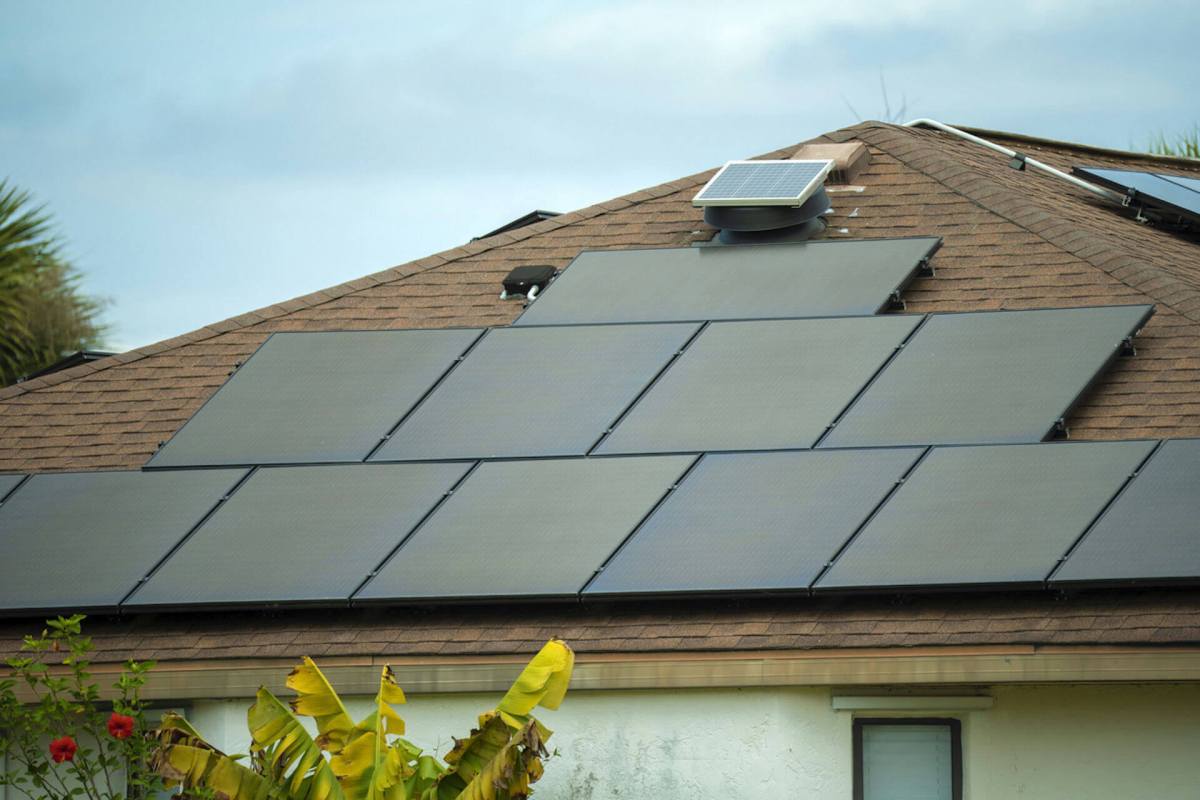

Adding battery storage to a solar setup is also one of the best ways to protect your home during outages, save money on energy, and go off-grid. Homeowners who want to explore that option can use EnergySage for information about home battery storage choices, including competitive installation estimates.

Get TCD's free newsletters for easy tips, smart advice, and a chance to earn $5,000 toward home upgrades. To see more stories like this one, change your Google preferences here.






