


PFAS — often referred to as "forever chemicals" because they persist in the environment without breaking down — have built up for decades in water, soil, and even human blood, with few effective ways to remove them completely.
Now, two Washington state companies said they are going beyond containment, stating they can actually break down and destroy the chemicals themselves.
What's happening?
According to a report from Geekwire, two companies in Western Washington are building systems that aim to break PFAS apart instead of merely relocating the contamination.
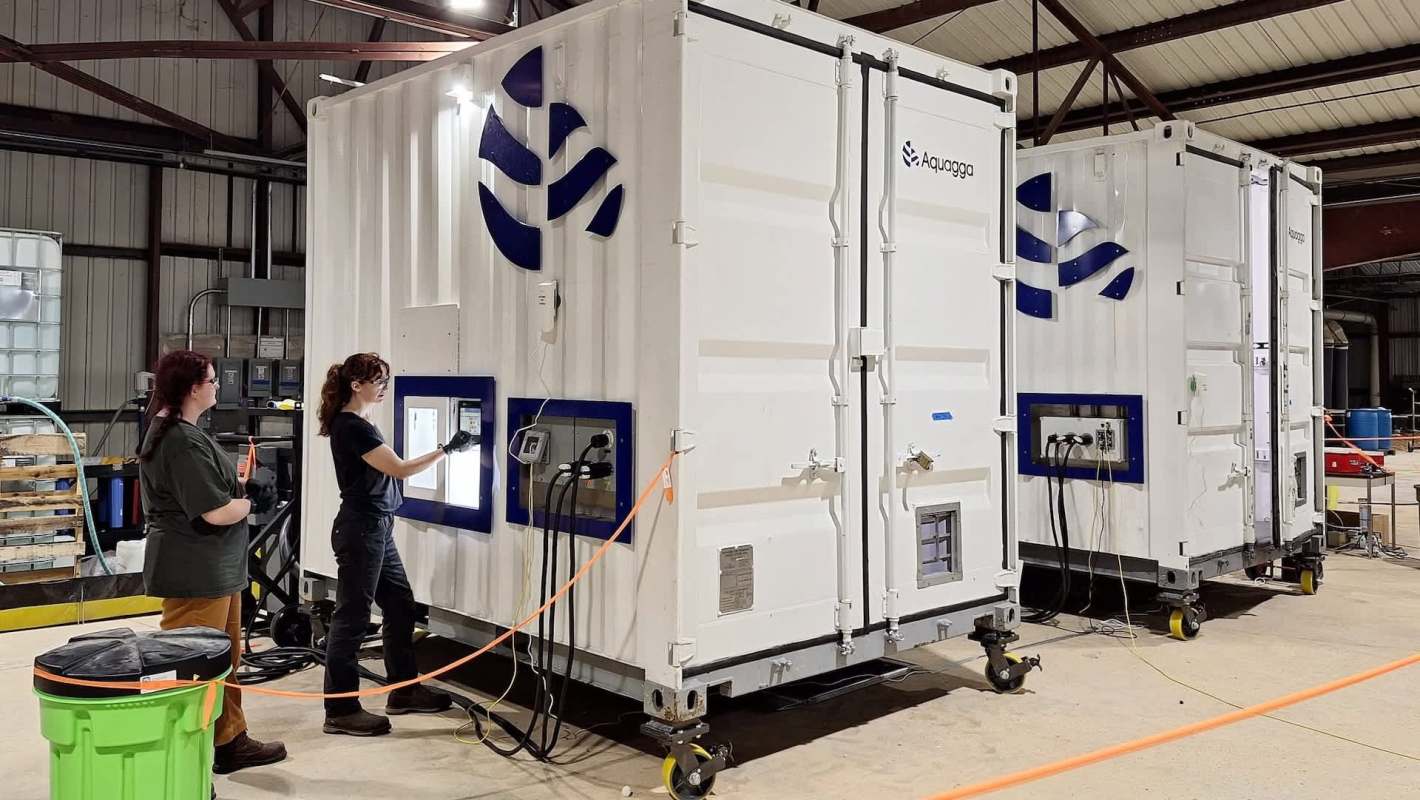
One proposed approach used by Aquagga, a Tacoma-based startup, utilizes hydrothermal alkaline treatment to break down more than 99.99% of PFAS in concentrated wastewater streams.
Another approach, developed by Sedron Technologies in Sedro-Woolley, targets a different pathway through which PFAS spreads: sewage by-products known as biosolids. Sedron's system essentially dries out biosolids and transforms them into a biofuel fed into a boiler. The boiler burns the fuel to generate electricity, which is sold back to the grid.
Sedron Technologies told Geekwire that, because the biosolids are heated above 900 degrees Celsius (1,940 degrees Fahrenheit), the PFAS are, as the research suggests, destroyed in the process.
TCD Picks » Quince Spotlight
💡These best-sellers from Quince deliver affordable, sustainable luxury for all




Why does it matter?
PFAS, which are widely used in nonstick cookware, food packaging, and some fabrics, have been linked to developmental delays, weaker immune response, some cancers, and hormone effects related to fertility, Geekwire reported.
PFAS pollution is so widespread that cleanup has become both a public health challenge and an enormous financial burden. Geekwire cited an estimate that removing just one PFAS subclass each year at the rate it is released could cost between $20 trillion and $7,000 trillion annually.
Pressure is rising as regulations tighten. In 2024, Geekwire reported, the Biden administration established the first nationwide drinking water limits for six PFAS chemicals, including one threshold of 4 parts per trillion. Even if federal policy shifts, states continue to advance their own rules and testing requirements.
As a result, utilities, airports, military facilities, and wastewater operators are facing growing demands to move beyond short-term measures like storage or dilution and adopt lasting fixes. At the same time, the Trump administration is slowing the rollout of some new PFAS rules and canceling others completely.
What's being done?
However, the two Washington-based companies are not waiting for regulations to begin implementing their processes in the real world.
Geekwire reported that Aquagga has already processed PFAS-laden waste from sites that include Fairbanks International Airport in Alaska and a Department of Defense location in North Carolina.
Sedron is growing, too. The company recently broke ground on a regional waste treatment plant in South Florida that, as Geekwire reported, is expected to serve municipalities totaling about 2 million people.

Get TCD's free newsletters for easy tips, smart advice, and a chance to earn $5,000 toward home upgrades. To see more stories like this one, change your Google preferences here.






