


A moth small enough to rest on a fingertip is giving conservationists in England a major reason to celebrate.
A recent survey in Kent found more than 20 Dover twist moths, suggesting the species is regaining a foothold in England after going unrecorded there for 73 years.
What happened?
Last year's rediscovery in Kent overturned assumptions about the Dover twist moth, a cream-and-brown insect with a wingspan of just 0.63 inches (16 millimeters). Before that find, there had been no recorded sightings in England since 1952, and the species was believed to persist only on the remote Scottish island of Tiree, according to What's The Jam.
In an online update, the organization wrote: "Good news for the Dover twist moth, once thought extinct in England! You may remember that last year, the 'Dover tortix' or 'Tiree twist' moth was rediscovered … after a 73-year absence. Well, we're SO pleased to say that on a recent search for the twist, we found over 20 of the moths."
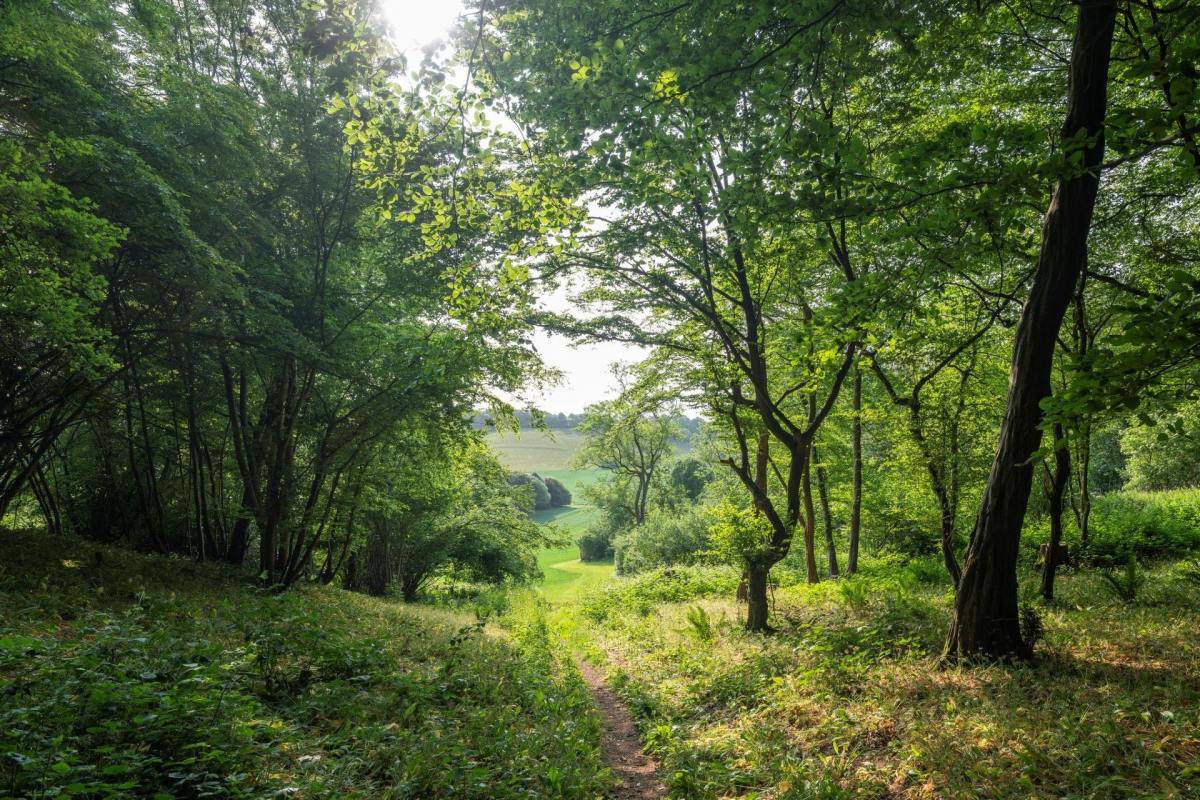
The habitat at Lydden Temple Ewell Nature Reserve may be one reason the moth is doing well again. As WTJ reported, researchers say the species relies on dyer's greenweed, as well as a blend of short and long grass and sheltered shrubby areas — all of which are present at the reserve.
Why does it matter?
Because the Dover twist is associated with chalk grassland, one of Britain's most threatened habitats, its return may highlight how careful stewardship can aid the recovery of rare species, according to WTJ.
TCD Picks » Quince Spotlight
💡These best-sellers from Quince deliver affordable, sustainable luxury for all




Protecting biodiversity in places like this can also help strengthen ecosystems that support pollinators, healthier soils, and more resilient landscapes for surrounding communities.
Nature reserves can improve local quality of life, support education and tourism, and demonstrate how habitat restoration can pay off over time.
When a species thought to be lost reappears, it can also help scientists better understand the conditions that allow vulnerable wildlife to survive in a changing world.
Kent Wildlife Trust acknowledged that some uncertainty remains, writing: "But the truth is, we actually don't really know WHY it's made such a return."
What are people saying?
WTJ reported that Rebecca Levey, a Butterfly Conservation ecologist who helped rediscover the moth in Kent last year, said: "I was absolutely blown away. It's the kind of discovery you dream of making, but you never expect it to actually happen."
Levey added: "With so many butterflies and moths in trouble across the U.K., it's fantastic to find this tiny little species bucking the trend."
Kent County Moth Recorder Dave Shenton described the discovery as "mind-blowing," adding: "I couldn't quite believe what I was seeing. Has it been hiding in plain sight here all these years?"

Get TCD's free newsletters for easy tips, smart advice, and a chance to earn $5,000 toward home upgrades. To see more stories like this one, change your Google preferences here.







