


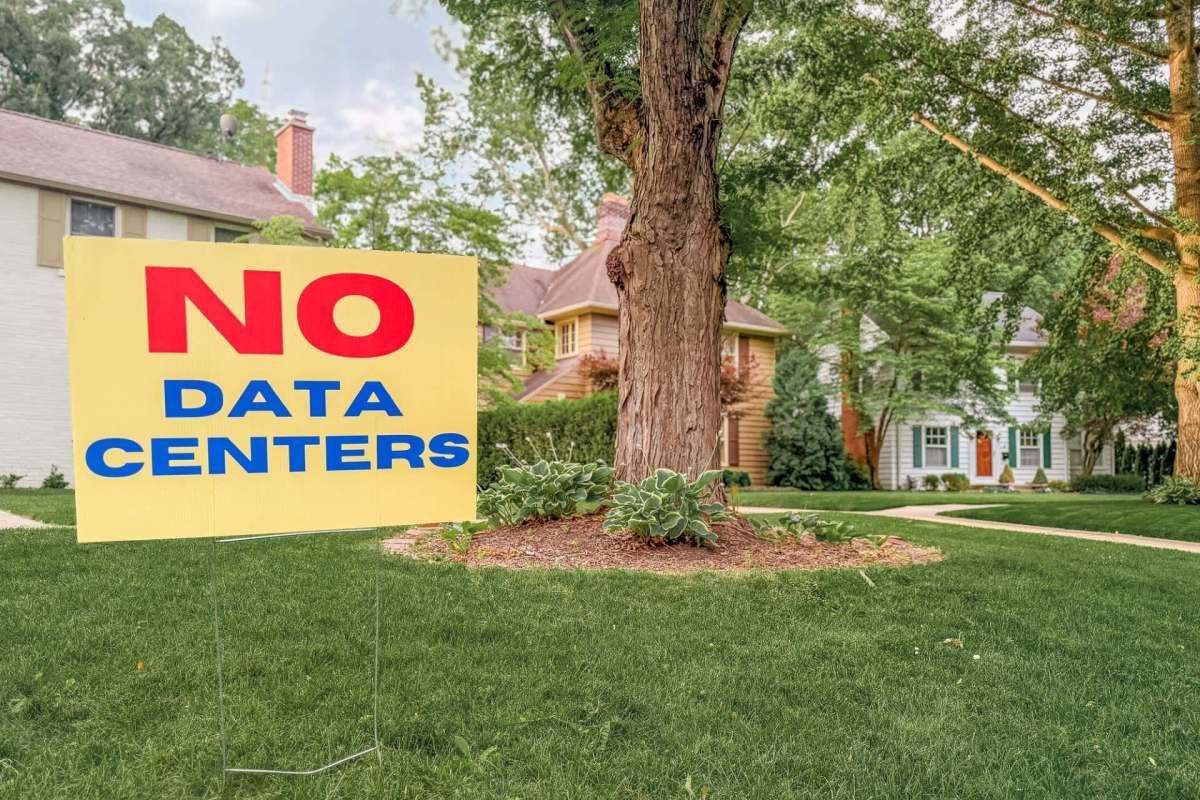
Springfield, Missouri, is putting the brakes on large new data centers, at least for now.
Before major development moves ahead, Springfield leaders want more answers about large data centers.
They approved a 120-day pause so officials can study possible effects on nearby neighborhoods, electric service, water and wastewater systems, noise, and air.
What happened?
In a move that KY3 described as a 120-day administrative delay, the Springfield City Council temporarily halted potential data center development.
During that time, city staff will assess whether current local regulations can adequately address future proposals and develop a public-interest evaluation framework.
The review will look at how proposed sites relate to surrounding land uses, as well as possible effects on electricity, water, wastewater capacity, noise, and air.
TCD Picks » Quince Spotlight
💡These best-sellers from Quince deliver affordable, sustainable luxury for all




City officials also said those concerns will be weighed against the possible fiscal and economic benefits of data center development.
Springfield also plans to seek public feedback through open houses and other engagement opportunities.
Any resulting findings and recommendations would then go before the Planning and Zoning Commission and the City Council through public consideration.
The city is not banning data centers outright.
Why does it matter?
Data centers can bring jobs, tax revenue, and investment, but they can also place major pressure on local infrastructure.
Facilities that operate around the clock often require significant amounts of electricity for servers and cooling systems, and some designs also use large volumes of water, which can strain utilities and, in some cases, contribute to higher costs for households and businesses.
The move also reflects a broader challenge facing many communities: how to balance rapidly expanding digital infrastructure with the needs of the people who already live there.
What's being done?
For the next four months, Springfield staff will conduct technical analysis and review whether the city's existing rules are adequate for future data center proposals. That work includes examining how potential projects would fit with surrounding land uses and whether local systems can absorb the additional demand.
Community feedback will also be collected through public open houses and other outreach efforts.
Once the review is complete, staff recommendations will enter another public stage before the Planning and Zoning Commission and the City Council.
The temporary freeze is intended to give Springfield more time for policy guidance, analysis, and public input as it evaluates future data center proposals while protecting residents and utility customers.

Get TCD's free newsletters for easy tips, smart advice, and a chance to earn $5,000 toward home upgrades. To see more stories like this one, change your Google preferences here.






