


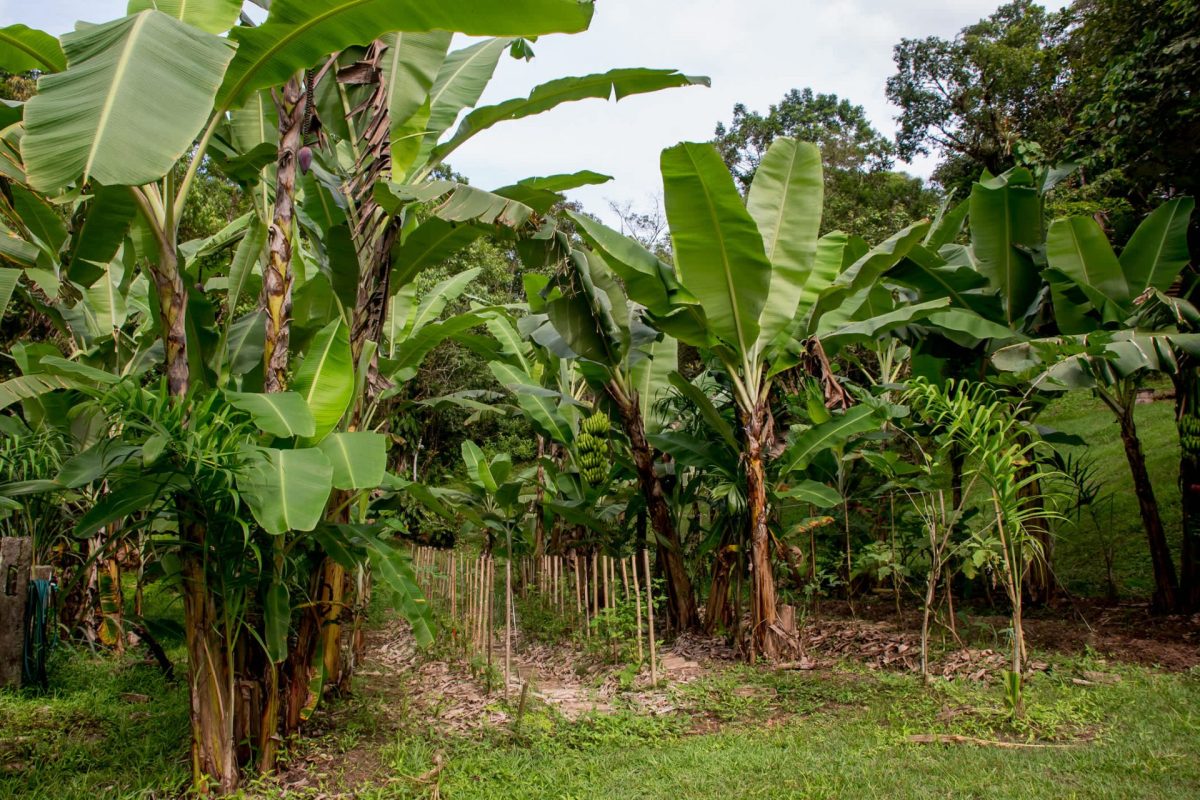
Major food brands have increasingly leaned on regenerative agriculture in their messaging, casting it as a more climate-resilient approach to producing food. But a new review suggests many of those pledges remain too imprecise to determine whether they will really help crops, ecosystems, or grocery costs.
What happened?
FoodNavigator reported that institutional investor network FAIRR analyzed regenerative agriculture commitments from major fast-moving consumer goods companies and found that many of them fall short on credibility.
Among the 50 companies FAIRR identified as having regenerative agriculture commitments, only 28% now disclose numerical targets, down from 35% in 2023.
The review also raised concerns about what companies choose to measure. According to FoodNavigator, many emphasize deployment metrics, such as the percentage of an ingredient sourced from regenerative farms, instead of results like water savings or reduced pesticide use.
FAIRR found that 54% of companies claim to be tracking outcomes, but only 4% have established goals based on those outcomes.
Some businesses have become less specific in public disclosures as well. JBS, the Brazilian meat company, no longer publicly shares numerical targets.
TCD Picks » Quince Spotlight
💡These best-sellers from Quince deliver affordable, sustainable luxury for all




Meanwhile, companies in the sector are also pushing for clearer common standards. With support from companies including Nestlé and Unilever, the Sustainable Agriculture Initiative recently launched its Regenerating Together framework to align measurement and standards across the industry.
Why does it matter?
Food companies often market sustainability claims as proof they are protecting the food supply from drought, flooding, and other climate-related disruptions.
When those promises are unclear, shoppers may be paying for branding rather than meaningful change, while farmers and consumers remain vulnerable to crop losses, supply chain disruptions, and higher grocery prices.
According to FoodNavigator, FAIRR also found that many companies fail to clearly show how their regenerative agriculture plans address financially important risks such as worsening soil conditions, ecosystem breakdown, and lower yields.
Weak targets can mask irresponsible business decisions and delay action until the consequences are already showing up in harvests and prices.
What are people saying?
Maria Montosa, FAIRR's technical specialist for nature research and engagements, told FoodNavigator that the increase in companies measuring outcomes "is a good signal," but said measurement alone does not amount to meaningful goals.
She also warned that companies should not quietly back away from their promises without explaining why.
"If they are not able to achieve those targets, it's important to be transparent with investors about why: the challenges that they have experienced and what they are doing to continue working on more sustainable farming practices," she said.
Montosa added that failing to explain how these plans address real business risks "raises doubts" for investors.

Get TCD's free newsletters for easy tips, smart advice, and a chance to earn $5,000 toward home upgrades. To see more stories like this one, change your Google preferences here.






