


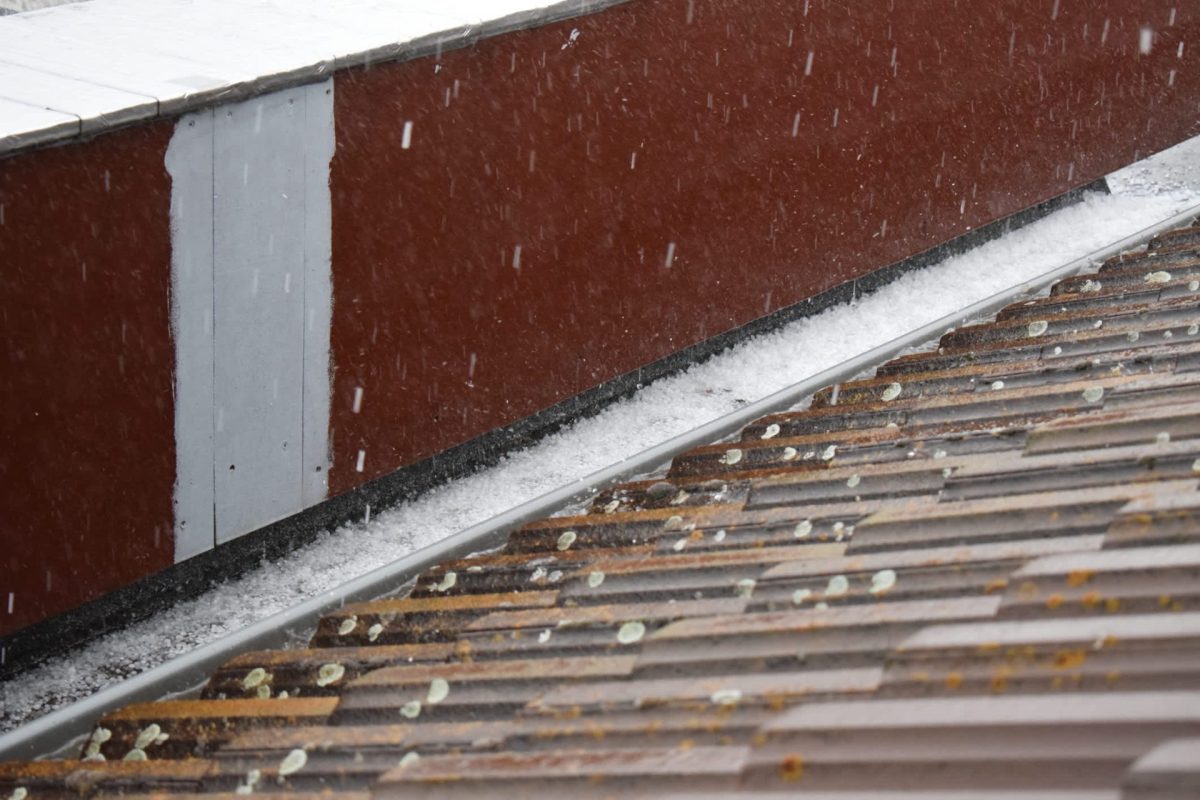
Colorado's softball-sized hailstorm this week has left homeowners evaluating damage to roofs and vehicles — and deciding whether to file an insurance claim or pay for repairs themselves.
According to a report from MarketWatch, having home insurance may not spare them from a large bill. Some policies cover only a roof's depreciated value rather than the full replacement cost, which can still leave homeowners paying thousands in repairs.
What happened?
As Colorado residents inspect shingles, gutters, skylights, and vehicles after the storm, the real shock may come when repair estimates arrive.
MarketWatch reported that replacing a roof can cost anywhere from $5,000 to $30,000, depending on the roof's size and the materials used.
And, for homeowners looking to their insurance companies to cover those costs, MarketWatch reported, citing legal experts, that even a single insurance claim can raise home insurance premiums by about 7% to 10%. That leaves many households weighing whether to pay for repairs now or take on higher insurance costs later.
Another complication, MarketWatch reported, is that Federal mortgage regulators no longer require home insurance policies to cover the full cost of replacing a roof.
TCD Picks » Quince Spotlight
💡These best-sellers from Quince deliver affordable, sustainable luxury for all




As a result, some insurers may pay only the roof's depreciated value rather than the amount needed for a new installation.
Those lower-coverage policies can come with cheaper premiums at the start, but after a major storm, they may leave homeowners facing substantial out-of-pocket costs.
Why does it matter?
After extreme weather, some homeowners may find that the protection they thought they had falls well short of what a contractor charges.
For families already stretched by grocery bills, gas prices, mortgage payments, and property taxes, a major roof repair bill can become a serious financial setback.
When more of the recovery burden is shifted onto individuals and families, they may delay repairs, take on debt, or settle for temporary fixes instead of full repairs.
That can leave homes more vulnerable to future storms and create ripple effects across entire neighborhoods.
The burden is especially severe in places already facing greater seasonal weather risks. Reduced coverage can deepen inequality between homeowners who can absorb surprise costs and those who cannot.
What can I do?
If your home was damaged, experts say the first step is to understand the full scope of the problem before rushing to file a claim.
That means taking photos, documenting the date of the storm, and getting a professional inspection to determine whether the damage is largely cosmetic or serious enough to justify filing.
A careful policy review matters too. Homeowners should find out whether the roof is covered at full replacement cost or at actual cash value, which factors in depreciation.
The answer to that question can significantly affect what an insurer will pay.
It may also help to weigh the expected payout against the deductible and the possible future cost of higher premiums. In some cases, smaller repairs may not be worth filing if the claim only barely exceeds the deductible.
If a full replacement is needed, homeowners may also want to ask contractors and insurers about stronger materials that could better withstand future hailstorms.

Get TCD's free newsletters for easy tips, smart advice, and a chance to earn $5,000 toward home upgrades. To see more stories like this one, change your Google preferences here.






