


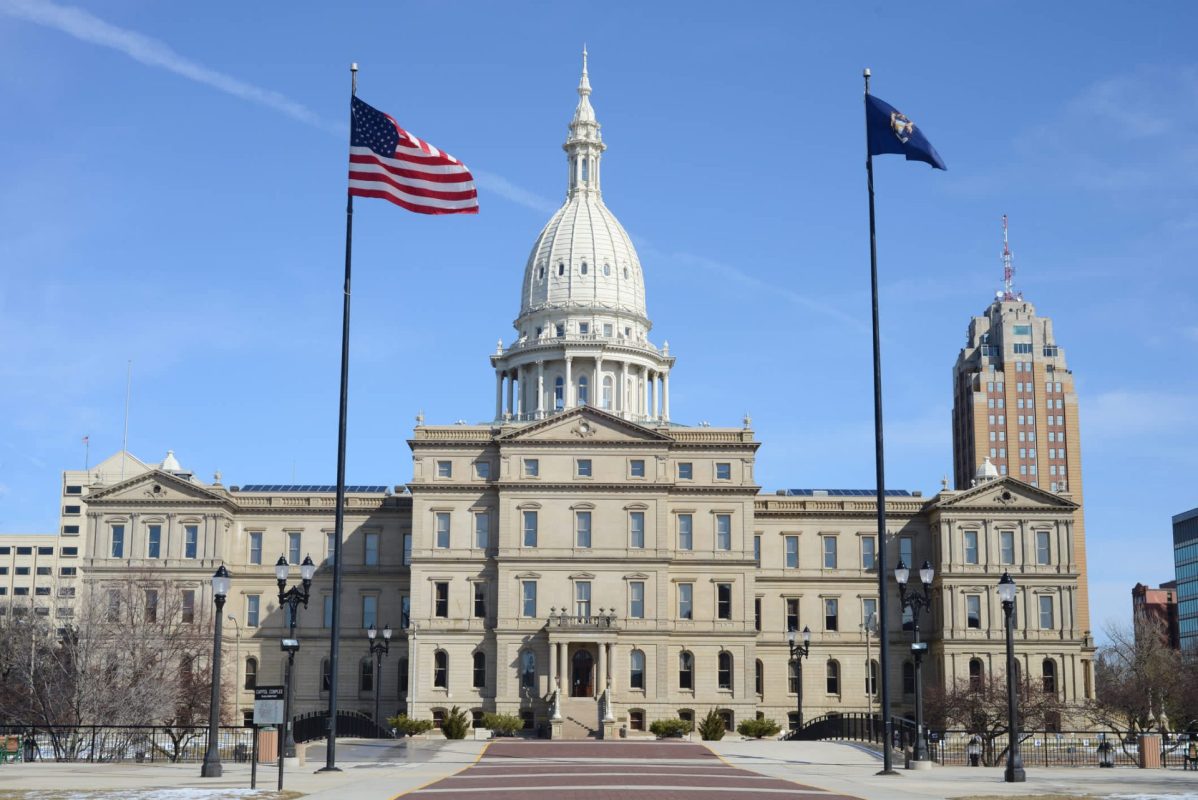
With demand for data centers climbing, Michigan lawmakers from both parties say the state should slow down before additional projects change neighborhoods, farmland, and utility systems.
At a rally on the Capitol steps, lawmakers stood with residents and local officials who said communities need a stronger voice before huge facilities are approved.
What happened?
Runestad's Senate Bills 1018–1020 and House Bills 5594–5596, introduced by Wortz alongside Representatives Dylan Wegela and Joseph Fox, would stop new data center development until April 1, 2027.
At a Lansing rally, State Senator Jim Runestad of White Lake and state Representative Jennifer Wortz of Quincy called for that statewide moratorium, as Michigan Advance reported, saying the pause would allow lawmakers to study the industry's effects and adopt stricter rules.
Residents' opposition has grown since Michigan approved new tax breaks for data center equipment in 2025, making the state more appealing to developers. Their concerns focus on heavy water use, higher energy demand, and the limited transparency surrounding local negotiations.
Wortz described the issue as both an environmental and economic one, saying, "I realize with technology there has to be a place to store our data, but I am tired of them coming after good farm ground and allowing for our tax dollars to subsidize large corporations who have more than enough money to fund these centers that they want to bring to our state."
TCD Picks » Quince Spotlight
💡These best-sellers from Quince deliver affordable, sustainable luxury for all




Lawmakers from both parties appeared at the rally. State Representative Joseph Fox of Fremont said, "This isn't something that we are 50-50 on, and it doesn't matter whether you're on the left or the right."
Why does it matter?
Opponents say the worry is not just the scale of the facilities, but the chance they could be built near homes, farms, or small towns before residents fully understand the effects on water supplies, electric bills, land use, and local services.
The nonpartisan Senate Fiscal Agency estimated that the tax breaks could cost state and local governments at least $52.5 million and likely more than $90 million.
Smigielski said the money would otherwise help fund schools, roads, and police and fire departments.
Smigielski also cited electricity demand, warning that data centers could receive tax breaks based on future clean energy commitments even if their near-term power needs result in more oil, gas, and coal development.
What's being done?
Michigan lawmakers are advancing several approaches at once.
Alongside the moratorium bills, state Representatives Erin Byrnes of Dearborn, Jim DeSana of Carleton, and Dylan Wegela of Garden City introduced legislation that would repeal tax exemptions for data centers.
State Senator Ruth Johnson of Holly said that she is also working on a proposal to apply the same environmental standards used for automotive plants to data centers.
Senate Democrats have also introduced a separate eight-bill package that would limit water use, require data centers to pay for the costs of providing them with power, and prohibit local officials from signing nondisclosure agreements related to these projects. That package favors more local control rather than a blanket statewide pause.
Runestad argued that the urgency is immediate, saying, "The fact that they're not supporting a moratorium — let's hold off on these until we can get some answers — tells me this is fluff."

Get TCD's free newsletters for easy tips, smart advice, and a chance to earn $5,000 toward home upgrades. To see more stories like this one, change your Google preferences here.






