


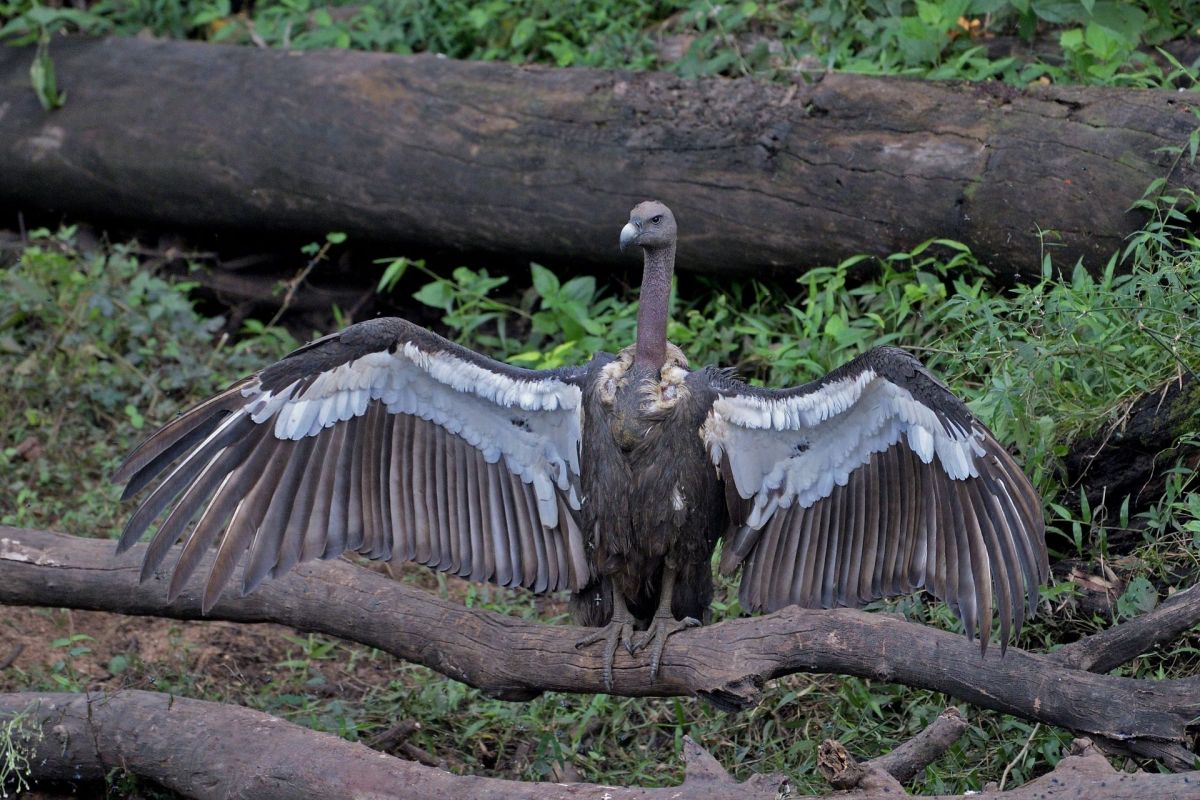
For the first time in a decade, a critically endangered vulture has been documented in Cambodia's Lomphat Wildlife Sanctuary, offering a rare bit of encouragement for one of the world's most threatened birds.
The reappearance of the white-rumped vulture follows the collapse of the sanctuary's local population after a poisoning episode a decade ago and comes after years of work to reduce poisoning risks and make the area safer for vultures and nearby communities.
What happened?
At a feeding site known as a "vulture restaurant" located inside the Lomphat Wildlife Sanctuary, conservationists recently recorded a white-rumped vulture. It was the first sighting there in 10 years after poisonings sharply reduced the local population, according to Good News Network.
NatureLife Cambodia operates the feeding station and has focused on improving habitat, keeping food available, and lowering the risk of future poisoning incidents. The organization provides one large carcass each month at the station for resident vultures. Even so, its latest survey counted fewer than 200 vultures.
In the same survey, researchers also counted five red-headed vultures, another Critically Endangered species, per GNN.
The Chief Executive at NatureLife Cambodia, Bou Vorsak, told Cambodianess that the sighting was "an important milestone" for the sanctuary and for vulture conservation in Cambodia.
TCD Picks » Quince Spotlight
💡These best-sellers from Quince deliver affordable, sustainable luxury for all




But he also warned that the danger has not disappeared. "Poisoning remains a threat despite our awareness campaigns," Vorsak said, per GNN. "The number of incidents has dropped significantly, from more than 30 cases a year in the past to around 1 to 3 cases annually."
Why does it matter?
Vultures may not inspire the same public admiration as elephants or big cats, but they play an essential role that directly benefits ecosystems and nearby communities. Their quick scavenging of dead animals curb diseases and return nutrients to the ground.
That service can carry major implications for public health, livestock safety, and the broader food web. When scavengers disappear, dead animals remain on landscapes longer, raising the risk of contamination and attracting other animals that may spread disease.
In other words, protecting scavengers from things like poisoning is essential to keeping ecosystems healthy and maintaining our environment as we fend off other existential threats like a swiftly warming planet.

Get TCD's free newsletters for easy tips, smart advice, and a chance to earn $5,000 toward home upgrades. To see more stories like this one, change your Google preferences here.







