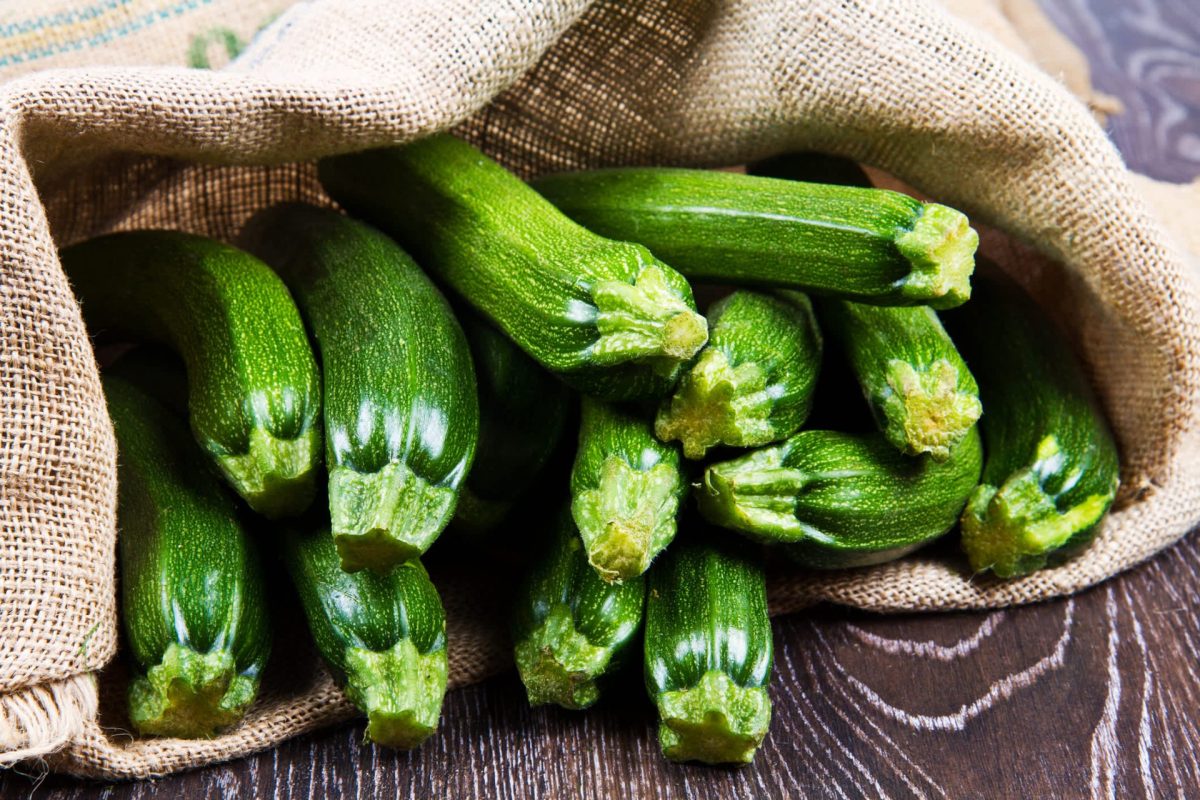
A backyard gardener is drawing attention for showing the less glamorous side of a productive summer harvest: figuring out what to do with a counter full of fresh produce before any of it goes to waste.
In her now-viral harvest walkthrough, she turns a massive pile of zucchini, peppers, herbs, beans, tomatoes, and berries into a straightforward plan: freeze some, can some, eat some fresh, and give some away.
What happened?
As the video from TikToker Sloan (@slongring) shows, a spectacular harvest can be overwhelming, even if it makes you feel proud as a grower.
@slongrig What I'm doing with everything I harvested from my garden today 💌 #garden #harvest #zone8b ♬ original sound - Sloan?
Her biggest glut is zucchini. She says, "The zucchini are a lot and look like a lot," and plans to deal with them by freezing part of the harvest, making "an absurd amount of zucchini butter," and possibly cubing some for bowls.
Not every crop came in at the same scale: the basil, by her estimate, is only enough for "two little jars" of pesto, but the jalapeños could become "five or six containers" of salsa since she likes spicy food.
Some of the produce will be used right away, while other items will go into long-term storage.
TCD Picks » Good Store Spotlight
Get 10% off your next purchase with code TCD10
"I'll use some combo of freezing, eating them fresh, and using my canner so I can preserve them for however long I want," she says.
Why does it matter?
A large harvest does not have to turn into a waste problem. Freezing extra zucchini, turning peppers into salsa, preserving tomatoes, and sharing produce you will not use can help extend the value of a garden well beyond a single meal.
That can mean fewer trips to the grocery store, less money spent on produce, and less edible food ending up in the trash.
Gardeners also have to adapt to changing conditions. She notes that the bell peppers "used to grow a little bit bigger," but "with the heat, they got stunted."
Even so, the smaller peppers, beans, herbs, and tomatoes can still add up quickly when they are spread across meals and preservation methods.
Keeping the extra produce in circulation, whether through freezing, canning, or gifting, can also reduce food waste. This is important because discarded food in landfills creates planet-warming pollution as it breaks down.

Get TCD's free newsletters for easy tips, smart advice, and a chance to earn $5,000 toward home upgrades. To see more stories like this one, change your Google preferences here.