


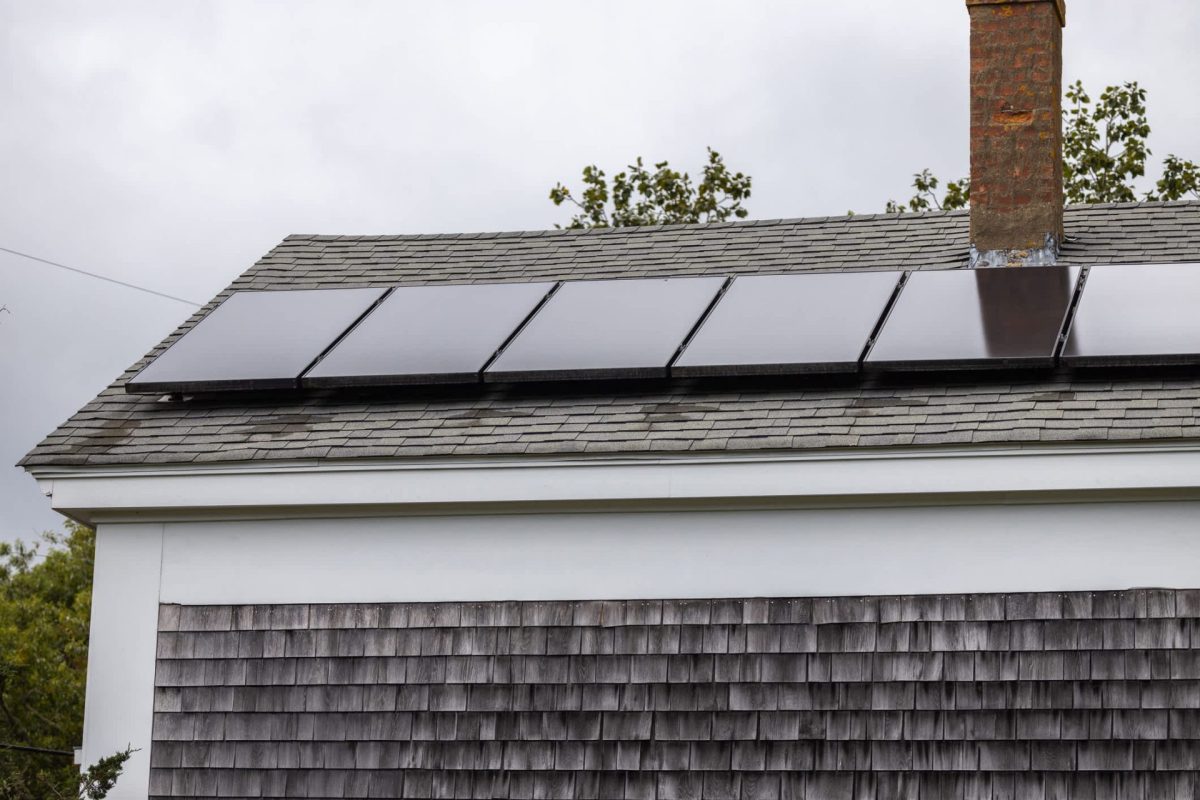
A do-it-yourself solar-and-battery project in Maine is drawing attention online after the owner said it now covers the home's electricity use and produces extra credits that can be shared with another household.
What happened?
In a Reddit thread, the Southern Maine homeowner said the installation was built over the course of a few years and that its newest phase went live last week.
"Location: Southern Maine. I DIY'd a sizable system over the last couple of years. Last week, I got the second leg of it up and running. … It's been amazing having full self sufficiency. But, the nice thing about our interconnect agreement, is that we can share excess credits with a different account, so we've been gifting excess credits away."
According to the post, the setup uses 48 panels rated at 445 watts each, along with a whole-home hybrid inverter, 43 kilowatt-hours of battery storage, and microinverters on part of the array.
In follow-up comments, the poster said the 21.3-kilowatt system cost about $22,000 after the ITC, and that adding battery backup cost about $8,000 more.
The homeowner said the project was intentionally sized beyond the household's needs, "We give our excess credits to our best friends across the street (2x teachers w/kids) ... our 1 household payoff is ~6.6yrs, and ~3.6yrs if we consider the two household setup."
TCD Picks » Quince Spotlight
💡These best-sellers from Quince deliver affordable, sustainable luxury for all




At the same time, with the bigger system and battery, the homeowner would be able to last an extremely long time during a massive power outage, so the surplus panels provide some personal backup value too.
Why does it matter?
The setup offers lower electricity bills, backup power during outages, and a return on investment that can come faster than many home energy projects.
While a roughly $30,000 all-in cost after the federal tax credit is still a major expense, the poster's estimated payback timeline shows how solar can save money over time, particularly when paired with battery storage and a favorable utility agreement.
Rather than letting extra production go unused, the homeowner said those surplus credits are helping another family. That arrangement extends the value of one project beyond a single household while also reducing demand for electricity generated from dirtier energy sources.
EnergySage can help you go solar with its free tools and save you up to $10,000 in the process by helping you curate competitive bids from local installers.
What are people saying?
Discussion in the thread centered on the DIY build, savings, and how the system stayed connected to the grid.
One person asked, "Oooh, that's nice that you can share your generation... How did you DIY it, and still have it connected to the grid?"
The homeowner replied: "Maine allows a homeowner to do their own electrical and plumbing work, as long as the house is their place of living. So I just submitted the plans, drawings, and permit request myself."
While no one should DIY solar panels without proper electrical training and consultation with laws, the code, and at least one person who has done it before, cost savings were another focus.
One commenter wrote, "Installed would have run close to 60k. I DIY'd it for 16k after rebates and tax credits. Completely pays for itself in under five years."

Get TCD's free newsletters for easy tips, smart advice, and a chance to earn $5,000 toward home upgrades. To see more stories like this one, change your Google preferences here.






