


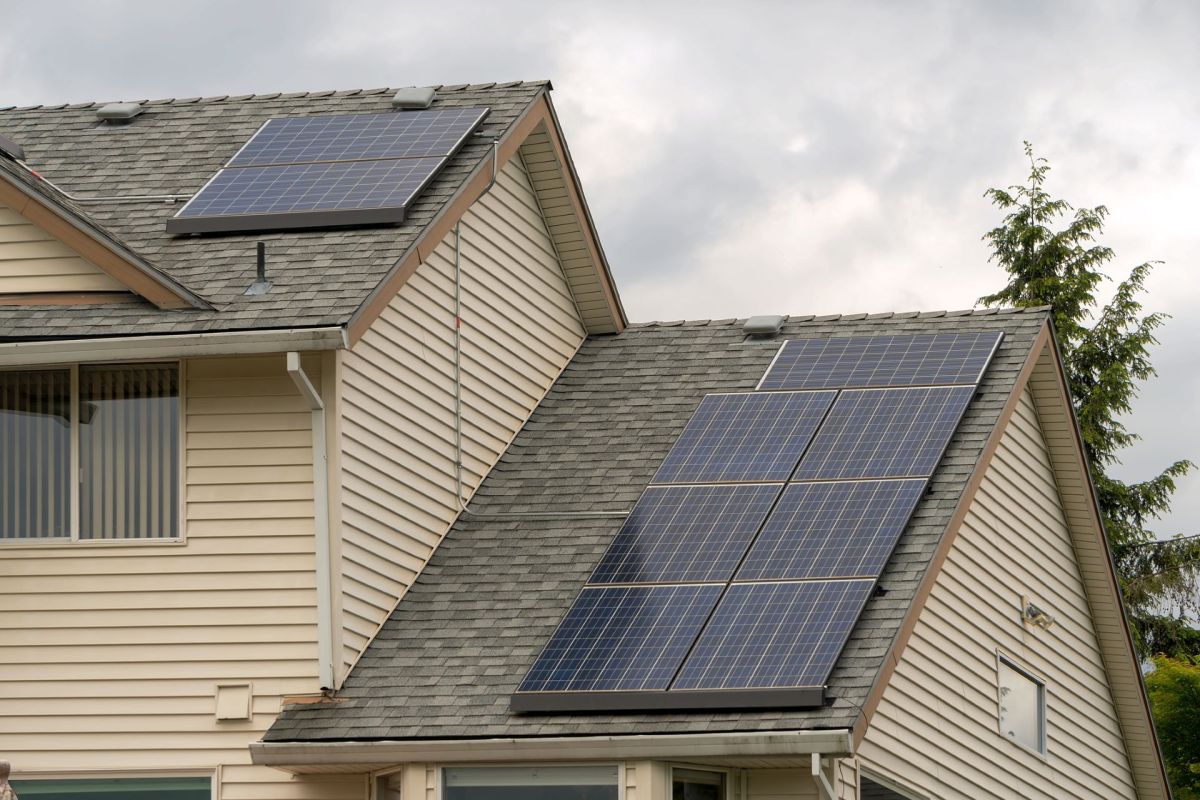
A possible U.S. restriction on imported solar inverters would force policymakers to balance two goals that can pull in opposite directions: reducing cyber vulnerabilities on the grid and preserving low-cost rooftop solar for households seeking relief from high power bills.
For homeowners, installers, and communities that rely on cleaner, cheaper energy, the effects could be felt quickly if equipment prices rise.
What's happening?
According to a Reddit thread discussing a Reuters article, the Trump administration is preparing a measure that could stop new foreign inverter models from entering the U.S. market.
These devices are central to solar and battery installations because they link the equipment with the electric grid.
Reuters, citing five people familiar with the matter, said the U.S. Federal Communications Commission is writing the rule and that it "could be published as early as this year." The fear is that the equipment could be used to disrupt electricity service.
If adopted, the policy would reshape a market now dominated by Chinese suppliers. Reuters said companies including Sungrow Power Supply and Huawei have gained share in Western countries in part by offering lower prices.
TCD Picks » Quince Spotlight
💡These best-sellers from Quince deliver affordable, sustainable luxury for all




The Reddit post distilled one likely consumer reaction into a short comment: "Going the Tesla route with solar inverters for U.S." In the discussion below, users largely argued over whether grid security worries justify making residential solar more expensive.
Why does it matter?
Because inverters are part of the overall price of a solar-and-battery setup, removing cheaper Chinese units could leave some households with steeper installation bids or a smaller menu of products.
That could slow rooftop solar adoption at a time when many families are looking for ways to lower monthly utility bills and secure backup power during outages. Communities also benefit when more homes can add clean energy and storage, helping reduce pollution and ease strain on the grid.
At the same time, the security concerns are not insignificant. If federal officials believe connected energy hardware could be exploited, tighter standards could help protect hospitals, schools, homes, and local utilities from disruption.
Critics of a ban argue that it could hurt consumers more than manufacturers, especially if domestic alternatives remain more expensive. Others worry that restricting supply too quickly could create bottlenecks for installers and slow the clean energy buildout.
What's being done?
For now, the rule is still being drafted. One possible path would pair tougher cybersecurity requirements with a phase-in period, giving the market time to adjust instead of passing sudden price increases on to homeowners.
Another option would be to expand support for domestic and allied country manufacturing while offering rebates, tax incentives, or financing assistance to keep rooftop systems within reach. Stronger testing, software transparency requirements, and certification standards could also reduce risk without cutting off every lower-cost product overnight.
Affordability remains critical. Any grid security fix would need to guard against cyber threats without driving up energy costs.

Get TCD's free newsletters for easy tips, smart advice, and a chance to earn $5,000 toward home upgrades. To see more stories like this one, change your Google preferences here.






